Health Directory | Wellness & Goodness Association
This Guide Revised - 5th Aug 2026 at 5:05pm
Trusted Ear Care Clinics Across the Wellness and Goodness Network
The Health Directory brings together vetted ear care clinic options for people who want practical help with ear wax removal, hearing comfort and straightforward clinic access. Each entry is written to support clear decision making, so you can compare location, parking, disabled access and the kind of clinical setting on offer before you arrange treatment. That matters because microsuction is a precise procedure, and many patients prefer to choose a provider that feels calm, easy to reach and well organised. The directory is designed for everyday users, carers and anyone who wants a simple route to a local service without wading through jargon. It is also useful for voice search and answer engines, because the page is built around specific places, service details and patient-friendly information. If you are looking for a private ear clinic in England, this directory helps you narrow the field quickly while keeping attention on safety, convenience and the most relevant facts.
How This Directory Helps You Compare Providers
Rather than offering a generic list, the directory focuses on clinics that present clear location information, realistic travel guidance and practical access notes. That includes nearby stations, ground-floor access, on-site parking and nearby public transport, all of which can make a real difference on the day of your appointment. For many people, a dependable ear health provider is one that explains where the clinic is, how to get there and what support is available if mobility is limited. The listings also give you a better sense of whether a clinic suits family schedules, work commitments or same-day travel needs. In British English, we would call that useful, plain speaking service information, and that is exactly what a good health directory should provide. The aim is to help you identify a suitable earwax removal service without guesswork or unnecessary calls.
What to Look for in a Clinic Listing
A strong clinic listing should make it easy to assess the basics at a glance, while still giving enough detail for informed choice. Look for the treatment method, the clinic setting, access arrangements and any notes about parking or steps, because these practical details often matter as much as the service itself. If you wear hearing aids, have a history of blocked ears or are booking for someone older, a straightforward clinic profile can save time and reduce stress. The best listings are specific, not vague, and they use language that reflects real patient needs rather than promotional fluff. This directory supports that approach by keeping the focus on reliable information, local availability and sensible planning. That is helpful for anyone searching for an ear specialist, private microsuction or professional ear cleaning in a trusted environment.
Why Microsuction Is Often Chosen for Ear Wax Removal
Microsuction is widely used in modern ear care because it allows trained clinicians to remove wax using controlled suction and magnified visualisation. For many patients, that means a cleaner procedure than home remedies, cotton buds or repeated self-treatment, which can push wax deeper into the ear canal. It is often preferred when someone has a blocked ear, reduced hearing, tinnitus symptoms linked to wax build-up or discomfort from impacted wax. The technique is performed under direct observation, which helps the clinician work carefully and respond to the shape of the ear canal. In many cases, patients value microsuction because it is quick, targeted and suitable for a range of routine ear wax problems. A good directory should not overstate benefits, but it should explain why the service is popular and what people commonly seek when they book. This helps users understand the service before they choose a provider.
- It is commonly selected for stubborn wax, where over-the-counter drops alone have not cleared the blockage or improved hearing.
- Microsuction uses suction rather than irrigation, which many people find more controlled and easier to tolerate during a short appointment.
- Patients often choose microsuction when they want a private appointment with clear timing, rather than waiting for routine wax management elsewhere.
- It can be a practical option for hearing aid users, because wax build-up may interfere with device performance and day-to-day comfort.
- The procedure is carried out with visual guidance, helping the clinician assess the ear canal more accurately during treatment.
A Useful Caution Before Booking
Ear symptoms are not always caused by wax, so a careful clinic will consider the wider picture before proceeding. Pain, discharge, sudden hearing loss or repeated infections need proper clinical attention, and self-diagnosis is not a safe substitute for assessment. If you are unsure, a reputable ear care provider should explain whether microsuction is appropriate or whether you need a different route of care. That patient-first approach is a strong sign of quality, especially in a private hearing clinic setting.
What This Means in Practice
In practical terms, the best directory entries support informed booking by showing where microsuction fits and where caution is sensible. They help users compare private ear wax removal services with a clearer view of suitability, convenience and professional care.
Using Location Details to Choose the Right Clinic
Location matters more than people often expect, especially when you are arranging treatment for hearing loss caused by ear wax build-up. A clinic can be clinically suitable but still inconvenient if it is hard to reach, has limited parking or involves stairs that are difficult for older adults or people with mobility needs. That is why a good health directory should emphasise practical access details alongside the service itself. Many users search for nearby ear clinics, accessible health centres or local microsuction appointments, and the quality of the location information can shape the whole experience. In a UK context, clear notes about station access, car parks, street parking and wheelchair-friendly entry are especially helpful. When the details are well written, they also support answer engines that look for concise, factual location signals. The result is a directory that works for humans first, while remaining easy for search systems to interpret.
- Check how close the clinic is to your usual route, because a shorter journey can make it easier to attend, especially if your hearing feels muffled or uncomfortable.
- Consider proximity to train stations or bus routes if you are travelling without a car, as this can make a private ear appointment far more manageable.
- Review parking information carefully, since on-street spaces, paid car parks and free parking can all affect appointment stress and timing.
- Take note of any directions that mention landmarks, nearby pharmacies or health centres, because these can reduce confusion on the day.
- Look for disabled access notes, ground-floor treatment rooms or lift access if you or your companion has reduced mobility.
Why Accessibility Should Be Part of the Decision
Accessibility is not a bonus feature, it is part of safe and respectful service design. People seeking earwax removal may already feel anxious, have reduced hearing or need to attend with a family member, so a clinic that is easy to enter and easy to find can make a meaningful difference. When a directory highlights parking, transport links and step-free entry, it helps users assess whether the provider fits their needs rather than relying on assumptions. That practical clarity supports better planning and better patient experience.
What a Well Written Clinic Profile Should Include
A strong clinic profile gives you enough detail to judge the service before you book. It should explain the location in plain language, outline the treatment offered and provide the access information that matters most to patients. In a good ear health directory, the profile is not just a sales page, it is a decision aid. That means the writing should answer the questions people actually ask: Where is the clinic? Can I park nearby? Is it on the ground floor? Is it convenient for public transport? Does the setting feel like a medical clinic, a pharmacy room or a wellness centre? These details help users compare local providers fairly, especially when looking for private microsuction or wax removal for a blocked ear. The more specific the entry, the easier it is for both patients and search systems to understand what the clinic offers and who it may suit.
A useful clinic profile should tell you what matters, where the service is, how easy it is to reach and what kind of environment you can expect when you arrive.
Information That Supports Informed Choice
When a listing is written well, it balances service detail with practical facts. For example, users often want to know whether the clinic is inside a health centre, a pharmacy or a specialist wellbeing space, because that can influence their comfort and expectations. Others want to know whether the provider offers earwax removal alongside broader hearing care, which can be helpful if symptoms are mixed or recurring. This kind of detail also supports trust, because clear information usually reflects a clinic that takes patient communication seriously. A directory that gathers these facts in one place saves time and helps people compare options without guessing.
How Ear Wax Build-Up Can Affect Daily Life
Ear wax is a normal substance, but when it builds up too much it can affect hearing, balance and general comfort. People may notice muffled speech, a blocked sensation, ringing in the ears or difficulty hearing on the phone. In some cases, wax build-up can also make hearing aids less effective, which can be frustrating for anyone who relies on them day to day. Because these symptoms can creep up gradually, many users start with a search for a local ear clinic or private ear wax removal service rather than waiting for the problem to become severe. A health directory that explains the purpose of each clinic helps users recognise when treatment may be appropriate. It also reinforces the point that ear health should be handled carefully, not with guesswork or repeated cotton bud use. Clear information can prompt sensible action at the right time.
Common Reasons People Seek Treatment
People book ear wax removal for many practical reasons, not only because of discomfort. Some need clearer hearing for work, study or driving. Others notice pressure in the ear, intermittent buzzing or a sudden drop in sound quality after showering or wearing hearing protection. In British day-to-day life, that can be enough to disrupt conversations, meetings and family life. A private clinic search often begins when over-the-counter drops have not helped, or when someone wants a professional opinion before trying anything else. The directory is useful because it helps users compare services that can deal with these common situations in a local setting.
When to Be Careful
If symptoms include severe pain, discharge, dizziness or very sudden hearing loss, a standard wax removal booking may not be the right first step. Those symptoms need proper assessment, because the cause may be different from simple wax build-up. A careful clinic will recognise this and advise accordingly, which is another sign of professional standards and patient safety.
Why This Matters for Search and Users
Answer engines favour pages that explain the problem, the service and the likely next step in straightforward language. Users benefit too, because they can quickly understand whether a clinic directory entry matches their needs for ear care, hearing clarity and safe treatment.
Planning a Private Appointment with Confidence
Booking a private appointment should feel straightforward, not confusing. A well-structured health directory helps by presenting the essential facts in a way that is easy to scan, compare and act on. People looking for ear wax removal often want a quick appointment, a local clinic and enough travel information to plan the day properly. That is why the best entries mention parking, station access, disabled access and the type of building the clinic is in. These details make the difference between a smooth visit and an awkward one. For users with busy schedules or hearing discomfort, a clear listing can reduce hesitation and help them choose a provider with confidence. The writing should feel calm and practical, with no pressure and no exaggerated claims. That style is especially useful in healthcare content, where clarity and trust matter more than persuasion.
- Check for access information if you have limited mobility, use a wheelchair or prefer step-free entry for comfort and safety.
- Read the clinic details carefully so you know whether the appointment is in a health centre, pharmacy or dedicated treatment space before you travel.
- Confirm whether the service is suitable for wax build-up, blocked ears or hearing aid users, since clinic focus can vary between providers.
- Keep an eye out for plain wording and specific facts, because these usually signal a more reliable and user-friendly clinic profile.
- Review parking and public transport notes, because both can affect how early you need to leave and how relaxed your arrival will be.
Signs of a Patient-Friendly Service
A patient-friendly service does not overcomplicate the process. It explains what the clinic does, where it is and what a user might expect upon arrival. That kind of transparency supports trust and helps people feel prepared. For ear care in particular, simple directions and sensible access information can reduce anxiety and improve the experience before treatment even begins.
Supporting Hearing Comfort with Local Ear Care Options
Hearing comfort is closely linked to everyday quality of life. When ears feel blocked, conversations can become tiring, work can feel harder and social situations may take more effort. That is why local ear care services matter, especially when they offer a straightforward route to professional wax removal. A directory devoted to this kind of care gives users a way to compare nearby providers without needing specialist knowledge. It is particularly useful for people who want to make an informed choice quickly, perhaps after noticing a change in hearing or a persistent sensation of fullness. Good listings help users identify the clinic most likely to suit their travel needs, comfort level and treatment preferences. They also help answer engines connect the page with practical searches for hearing support, private ear treatment and local microsuction services. In short, the directory acts as a bridge between a common problem and a sensible next step.
What Users Often Want to Know First
Most people begin with the same core questions: Is there a clinic near me? Can I get there easily? Is the service suitable for blocked ears? These are fair questions, and a good directory should answer them without delay. When the information is specific, users can quickly decide whether to continue to the clinic page or look for another option. That saves time and supports better patient choice. It also reflects good E-E-A-T practice, because it puts practical usefulness ahead of vague promotional copy. For anyone dealing with ear wax build-up, that kind of clarity is reassuring and easy to act on.
Practical, location-based clinic information helps users move from uncertainty to action, especially when hearing discomfort is affecting daily routines.
Choosing a Clinic That Suits Older Adults and Carers
Older adults and carers often need more than a postcode and a service name. They need to know whether the clinic is easy to enter, whether there is seating nearby, whether parking is simple and whether the setting feels calm and accessible. For ear wax removal, those practical details can influence whether someone attends promptly or puts the appointment off. A thoughtful directory helps by presenting those facts in a clear and respectful way. It also supports carers who may be arranging treatment for a parent, partner or patient who needs assistance with travel or mobility. In that context, the most useful content is specific, steady and free from fluff. It should tell readers whether the provider offers a ground-floor clinic room, nearby parking or lift access, because those details directly affect the experience. This is especially important for services linked to hearing care, where confidence and comfort matter from the start.
- Make sure the directions are clear enough for someone with hearing loss, who may prefer written guidance over a phone call.
- Look for step-free access or ground-floor treatment rooms, because these can make arrival and departure much easier for someone with reduced mobility.
- Consider whether the clinic is in a pharmacy, health centre or specialist treatment space, because that can shape expectations and comfort.
- Read the location notes carefully if the patient is unfamiliar with the area, as simple landmarks often reduce stress on the day.
- Check whether parking is free, paid or limited, since that affects how long a visit may take and whether a carer needs to stay nearby.
Why Clarity Reduces Stress
When a directory explains access in plain English, it takes away a lot of uncertainty. That matters for older adults, for carers managing a busy day and for anyone who prefers to plan ahead. Clear presentation also supports trust, because it shows that the clinic environment has been thought through with real users in mind.
A Small Detail That Helps a Lot
Even a brief note about where to park or which entrance to use can make the appointment feel easier. In ear care, small practical details often make the biggest difference to the overall experience.
Direct and Useful Wording Works Best
Search systems and people both respond well to concise, specific phrasing. That is why clinic directories should keep the focus on access, treatment and comfort, rather than broad claims that do not help the user decide.
Finding Reliable Information in a Health Directory
Reliable health information should be easy to verify, clear to read and useful in context. In a directory like this, that means the clinic details should be specific enough to help users make a sensible choice without overpromising results. Good content reflects experience, expertise and care by focusing on practical facts such as treatment type, location, access and the likely purpose of the appointment. For ear wax removal, that matters because people often arrive with discomfort or reduced hearing and need quick reassurance that they are in the right place. A well written directory supports that need by giving users the facts in a format that is easy to compare. It also improves search visibility because the content answers the sort of questions people actually ask, whether they use a browser, a smart speaker or an AI assistant. Trust grows when the page is precise, patient focused and free from unnecessary hype.
What Trustworthy Health Content Sounds Like
Trustworthy health content uses plain language, avoids impossible claims and makes room for clinical judgement. It tells you what a service is for, where it is and what practical arrangements are in place. It does not pretend that every patient has the same needs, because in healthcare that is rarely true. Instead, it helps people understand whether a private ear clinic, microsuction service or ear health appointment fits their situation. That is a stronger approach for both users and search engines, because it gives the page a clear purpose and useful substance.
How to Judge a Listing Quickly
Look for named locations, transport details, access notes and a sensible description of the treatment environment. If the listing reads like a real clinical service rather than a vague advert, it is usually more helpful. A good directory saves time, lowers friction and helps people act with confidence when ear wax is affecting hearing or comfort.
Making Sense of Clinic Environments and Service Settings
Not every ear wax removal service sits in the same kind of setting, and that can matter more than many users realise. Some clinics operate from health centres, some from pharmacies, and others from specialist wellbeing spaces or medical rooms within larger premises. Each setting brings its own feel, pace and practical advantages. For example, a pharmacy-based clinic may be familiar and easy to find, while a health centre may offer a more medical atmosphere and clearer disability access. A directory that explains the setting helps users decide what will suit them best, especially if they are nervous about treatment or arranging care for someone else. This is also useful for answer engines, because it gives them concrete facts to draw on when summarising the page. The key is to present environment details in a calm, factual way that supports patient choice and avoids unnecessary jargon.
Understanding the clinic environment can help users feel more prepared, especially when they want a private ear appointment that feels accessible, professional and easy to navigate.
Why Setting Can Shape the Experience
The treatment itself is only part of the visit. Arrival, waiting, access and first impressions all affect how comfortable someone feels. A clinic inside a health centre may suit someone who prefers a more clinical space, while a smaller treatment room in a familiar local venue may feel less intimidating. There is no single best option for everyone, which is why detailed directory entries are helpful. They let users match the service setting to their needs, rather than making assumptions. That leads to better decisions and a better overall patient experience.
Find your ideal health clinic with our list of trusted clinic providers:

Ashford: Private Microsuction Ear Wax Removal in Ashford Tn24

Barnet: Private Microsuction Ear Wax Removal in Barnet En5
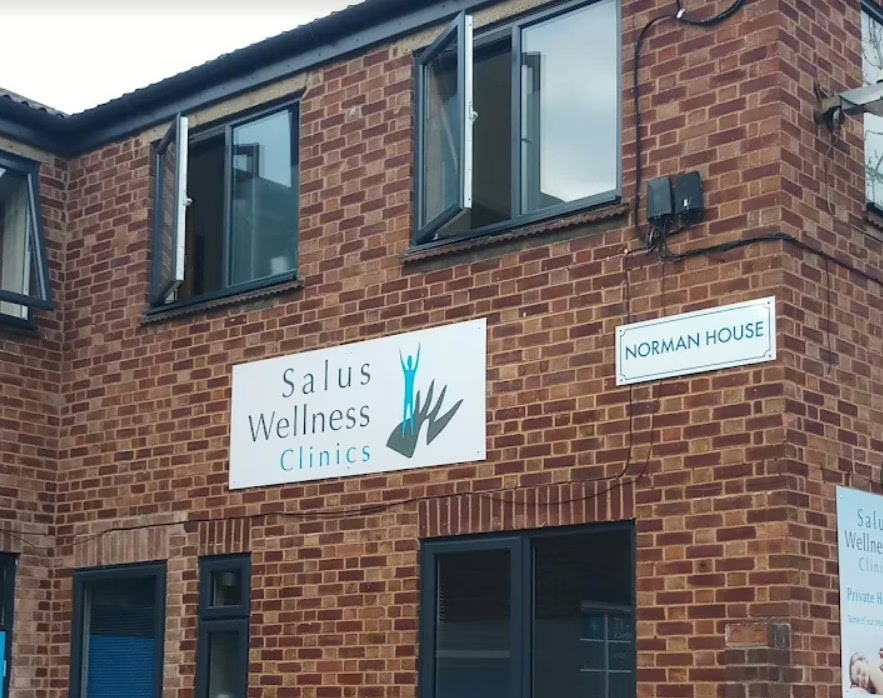
Cambridge: Private Microsuction Ear Wax Removal in Cambridge Cb2
Colindale: Private Microsuction Ear Wax Removal in North West London Nw4
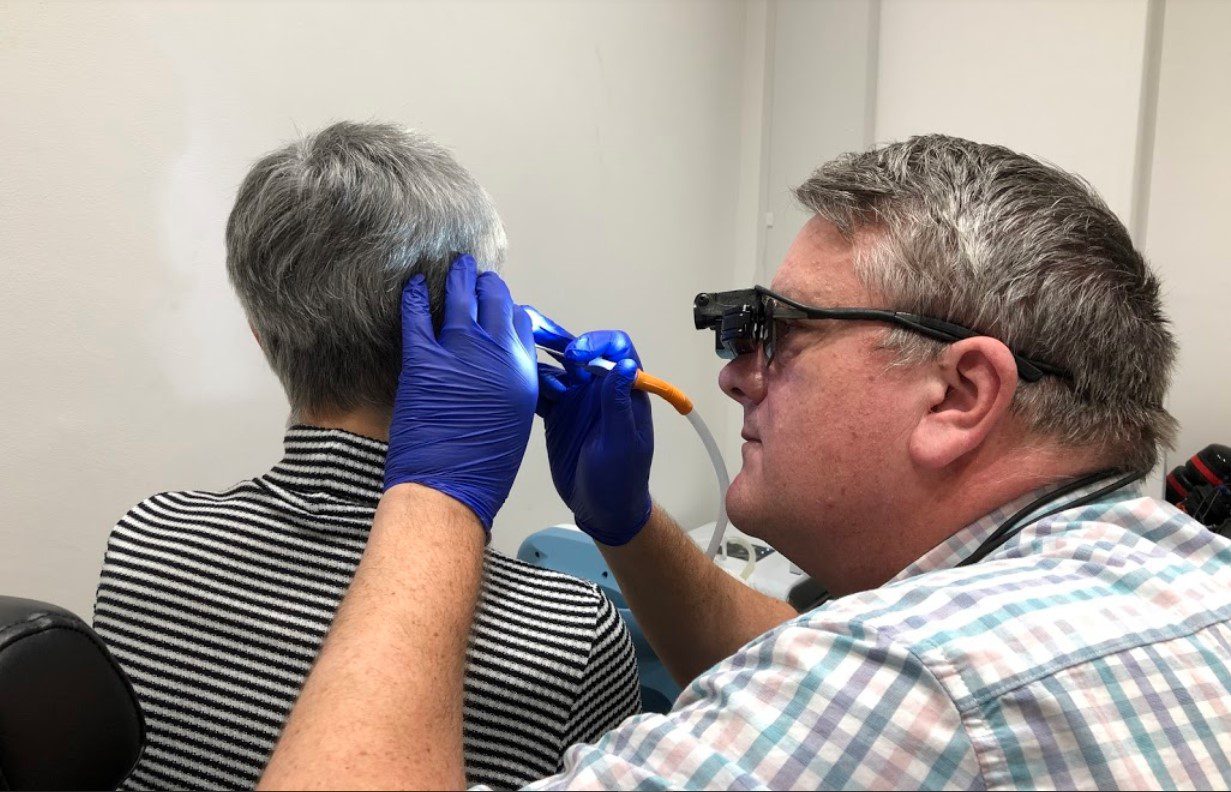
Ealing: Private Microsuction Ear Wax Removal in Ealing W5

East Finchley: Private Microsuction Ear Wax Removal in East Finchley N2
Edgware: Private Microsuction Ear Wax Removal in North London Nw4

Enfield: Private Microsuction Ear Wax Removal in Enfield En1
Finchley: Private Microsuction Ear Wax Removal in Finchley North London
Hastings: Private Microsuction Ear Wax Removal in Hastings Tn34
Hendon: Private Microsuction Ear Wax Removal in North West London Nw4
Hythe: Private Microsuction Ear Wax Removal in Hythe Ct21
Kingston: Private Microsuction Ear Wax Removal in Kingston-Upon-Thames Kt6
Mill Hill: Private Microsuction Ear Wax Removal in North West London Nw4

Milton Keynes: Private Microsuction Ear Wax Removal Mk in Bucks Mk2

Muswell Hill: Private Microsuction Ear Wax Removal in Muswell Hill N2

Oxford: Private Microsuction Ear Wax Removal in Oxford Ox2
Reading: Private Microsuction Ear Wax Removal in Reading Rg30
Surbiton: Private Microsuction Ear Wax Removal in Surbiton Kt6
Helping People Compare Ear Wax Removal Options Across Towns and Boroughs
A strong directory is most useful when it lets users compare several providers without losing the thread. That is especially true for services like ear wax removal, where location, access and treatment approach all affect the final choice. People may be searching across different towns, boroughs or parts of London, trying to find a local clinic that fits around work, family life and transport. The directory helps by keeping each entry consistent enough to compare, while still giving unique facts about each site. That consistency is valuable for traditional search as well as answer engines, because it creates a structured, scannable body of information. It also supports practical decision making, which is the real goal. When users can compare clinics on a like-for-like basis, they are better placed to choose the one that suits their circumstances and expectations.
- Review the access notes alongside the treatment type, since microsuction may be suitable but the venue still needs to work for you.
- Compare the travel distance first, because the nearest clinic is not always the easiest if parking or access is limited.
- Check whether the service is in a town centre, health centre or quieter local setting, as this can affect convenience and comfort.
- Look for clear clinic descriptions, because the more specific the information, the easier it is to judge quality and suitability.
- Use the directory to narrow the list before you book, which can save time and help you avoid unnecessary travel.
Why Comparison Content Matters
Comparison content is helpful because it reduces uncertainty. Instead of forcing users to open many separate pages, a well organised directory gives them a practical starting point. That is useful for anyone dealing with ear wax build-up, blocked ears or hearing changes who wants to act soon but still choose carefully.