Safeguarding At Ealing - Private Microsuction Ear Wax Removal In Ealing W5
Listing Revised | 5 Aug 2026, 16:52
Just a three-minute walk from Northfields Underground Station, the clinic also has limited free parking nearby apart from 2pm to 3pm. Our Ealing ear wax removal clinic is inside Back 2 Well-Being, and the treatment room is on the ground floor.
Ear Wax Removal Ealing West London Map, Location and Directions
You can get directions to our Microsuction Ealing Location here. Just put in your location in the specified area and Google Maps should lead you to the clinic.
%%JSLNAPSECTION_1_A252476F509D840E%%
Probably the best ear wax removal clinic in Ealing – don’t just take our word for it – here are some reviews from our many happy clients:
Safe Private Microsuction for Ear Wax in Ealing W5
Private, safeguarding-led microsuction ear wax removal in Ealing W5 is for people who want a prompt, clinician-led way to manage blocked ears, muffled hearing, or that lingering sense of fullness. Microsuction is often chosen because the clinician removes wax under direct observation, which supports careful work within the ear canal. For many people, that clear view matters more than speed on its own, especially when hearing loss, tinnitus, or pressure is starting to interfere with everyday life. A safeguarding-minded approach also means the appointment should match your needs, with sensible screening if you mention pain, discharge, dizziness, or previous ear surgery. That cautious process helps reduce avoidable risk and supports informed consent before treatment starts.
If you are thinking about booking in Ealing, it is sensible to consider comfort, access, and the support you may need on the day. A good private ear wax removal service should explain the process plainly, answer questions, and avoid pushing you into treatment. In British clinical practice, clarity and consent matter, and that is especially true if you feel anxious about your ears or have had a difficult experience before. The goal is not only to remove wax, but to do so in a way that feels safe, respectful, and easy to follow.
Why Safeguarding Matters in Microsuction
Safeguarding in ear care is about much more than one procedure. It includes checking that the person attending is well enough for treatment, understanding communication needs, and spotting when symptoms may point to something other than ear wax. If the clinical picture suggests infection, sudden hearing change, or a perforated eardrum, microsuction may not be the right first step. That kind of judgement protects patients and keeps the appointment focused on proper care, not convenience alone.
What a Careful Assessment Should Include
A careful assessment usually takes in your symptoms, any past ear problems, relevant medication, and whether one or both ears are affected. It also creates space to ask how long the wax has been building up, whether hearing has changed suddenly, and whether you use hearing aids or ear plugs. Those details help the clinician decide if microsuction is suitable and how best to proceed.
Small Details That Improve Safety
Even small details can matter, such as telling the clinician if you feel faint easily, struggle with balance, or need instructions repeated more slowly. Clear communication is part of good safeguarding, because it helps prevent misunderstandings and supports a calmer, more controlled ear suction appointment.
A Helpful Reminder Before You Attend
If you are not sure whether your symptoms are caused by wax, ask for a proper assessment rather than assuming treatment is needed. That simple step can prevent the wrong procedure being offered and helps keep your care appropriate from the start.
Accessible Ground-Level Treatment
Published Accessibility Features
- Wheelchair-accessible entrance
- Wheelchair-accessible toilet
Accessibility details are provided by Google Maps. Contact the location to confirm individual requirements.
The clinic is on the ground floor and provides level access.
How Microsuction Supports Safer Ear Care
Microsuction uses gentle suction under magnified view to remove ear wax from the ear canal. It is often preferred in private ear care because the practitioner can see the wax directly instead of relying on pressure or blind flushing. That visibility can be reassuring for people who want a controlled procedure, particularly if they have lived with blocked ears for a while or are uneasy about ear syringing. In an Ealing clinic setting, microsuction is typically chosen for its precision, but good practice also depends on the person carrying it out, their training, and how they respond to any warning signs during the appointment.
From a safeguarding point of view, the main advantage is that treatment can be adjusted as it happens. If the ear canal is sensitive, if wax is hard and impacted, or if the patient becomes uncomfortable, the clinician can pause, reassess, and decide whether to continue. That flexibility matters in private microsuction ear wax removal because ears vary, and a one-size-fits-all approach is rarely sensible. It also gives the patient more sense of control, which can matter if you feel nervous about ear treatment or have sensory sensitivities.
Direct Vision and Patient Comfort
Direct vision helps the clinician remove wax while avoiding unnecessary contact with the delicate skin of the ear canal. Many people find this approach more comfortable than methods that use water, particularly if they dislike the sensation of irrigation or have previously experienced irritation after ear syringing. The aim is not just to clear the blockage, but to do so in a way that respects the ear's natural sensitivity.
- People with a history of ear problems should mention it before the procedure starts.
- The technique may help when wax is dry, stubborn, or affecting hearing aid use.
- Microsuction allows wax to be removed while the clinician can see the ear canal clearly.
- Comfort often improves when the clinician pauses, explains each step, and checks in during treatment.
- Good communication helps the appointment feel safer and less unsettling.
When a Different Approach May Be Needed
Microsuction is not automatically right for everyone. If there is suspected infection, recent ear surgery, severe pain, or discharge, a clinician may recommend a different pathway or medical review first. That is not a drawback, it is part of responsible safeguarding and sensible clinical decision-making.
Arrange Your Appointment
Because demand is high, private ear wax removal is available by appointment only. You can book your ear microsuction appointment here, or use the button below:
Ways to Book a Microsuction Appointment
Private ear wax removal at the Ealing clinic is offered by appointment, which reflects the strong demand for microsuction services. Booking in advance gives you a clear plan for your visit and helps you avoid an unnecessary journey if a clinician may not be available. If blocked ears, muffled hearing, or a feeling of fullness is affecting day-to-day comfort, arranging an appointment is a practical first step towards discussing suitable ear wax care.
- Before travelling, check your confirmation and follow any preparation information supplied by the provider.
- Select an appointment time that fits your availability and review the details shown during booking.
- Use the online booking link for the Ealing microsuction clinic.
When you book, it can help to mention any ear-related concerns and to ask questions if you are not sure whether microsuction is the right option. If you have sudden hearing changes, severe pain, discharge, dizziness, or other worrying symptoms, seek appropriate medical advice rather than relying on ear wax removal alone.
When Ear Wax Removal Might Help
Blocked ear wax does not always create dramatic symptoms, but it can still be disruptive. People often notice reduced hearing, a dull or muffled sensation, itching, clicking sounds, or pressure in one ear. Some also notice tinnitus, which may become more obvious when the canal is partly obstructed. In Ealing and the wider West London area, many patients look for private microsuction because they want a quicker route to relief than routine NHS pathways may provide. Even so, the decision to book should still be based on symptoms rather than convenience alone. A safeguarding-minded clinician will want to know what you are experiencing and whether the picture genuinely fits wax build-up.
Ear wax is natural and protective, so not every ear needs treatment. Over-cleaning can make matters worse, and cotton buds often push wax deeper into the canal. If you suspect a blockage, it is better to seek a proper assessment than to try home methods that may irritate the ear or create fresh problems. In private ear wax removal, the first task is often to decide whether treatment is needed at all, then to choose the safest route if it is.
Symptoms People Commonly Notice
Symptoms can range from mild irritation to a marked drop in hearing. Some people only realise wax is the issue when they struggle to follow conversations, turn the television up, or hear phone calls clearly. Others notice a feeling of fullness that will not shift, particularly after using ear plugs, hearing aids, or headphones. These experiences can all justify a conversation about microsuction, provided there are no signs that suggest something more serious.
- Difficulty using hearing aids because sound feels dampened or distorted.
- A blocked or full feeling in the ear, often worse on one side.
- Muffled hearing that seems to develop gradually rather than suddenly.
- Itching or mild discomfort without severe pain or discharge.
- Tinnitus that becomes more noticeable when the ear canal is narrowed.
When to Seek Medical Advice First
Sudden hearing loss, severe ear pain, bleeding, dizziness, or discharge should not be treated as routine wax symptoms. Those signs need proper medical assessment before any microsuction appointment is considered, because they may point to an infection, perforation, or another ear condition.
Blue Badge Parking Nearby
Car Parks Near Hearing First Ealing London
- YourParkingSpace, approximately 0.4 miles from Hearing First Ealing London. View on Google Maps.
- YourParkingSpace, approximately 0.1 miles from Hearing First Ealing London. View on Google Maps.
- Lime Parking Bay, approximately 0.7 miles from Hearing First Ealing London. View on Google Maps.
Parking information and place links are provided by Google Maps. Check restrictions and charges locally.
Disabled clients with a blue badge can park on double yellow lines for up to 3 hours.
What to Expect at a Private Ealing Appointment
Research Catalogue Results for Ear Wax Removal
- The auricular cough reflex: lateralization, prevalence, procedural determinants, and the role of examiner handedness. - van de Loo J, Mayer M, Sharaf K, Eckel H, Jansen L, Klussmann JP, Luers JC., 2026.
- High-definition otoscopic device for humanitarian mission: how i do it. - Lechien JR, Maniaci A, Kipsang MJ, Kibor M, Vaira LA., 2025.
- Use of Castor Oil in Dermatology: A Narrative Review. - Girdler K, Cabatu A, Olds H, Potts GA., 2026.
Source: Europe PMC. These are bibliographic matches, not personalised medical advice or an endorsement of a treatment.
A private microsuction appointment in Ealing should feel organised, calm, and clear from the moment you arrive. The clinician will usually begin by asking about your symptoms, any past ear issues, and whether you have experienced pain, dizziness, or recent infection. This conversation matters because it helps confirm that treatment is suitable and that nothing important is being missed. For many people, knowing the appointment is scheduled rather than walk-in also reduces uncertainty, because time has been set aside instead of being rushed. That can be particularly helpful if you feel anxious about ear care or have mobility or communication needs.
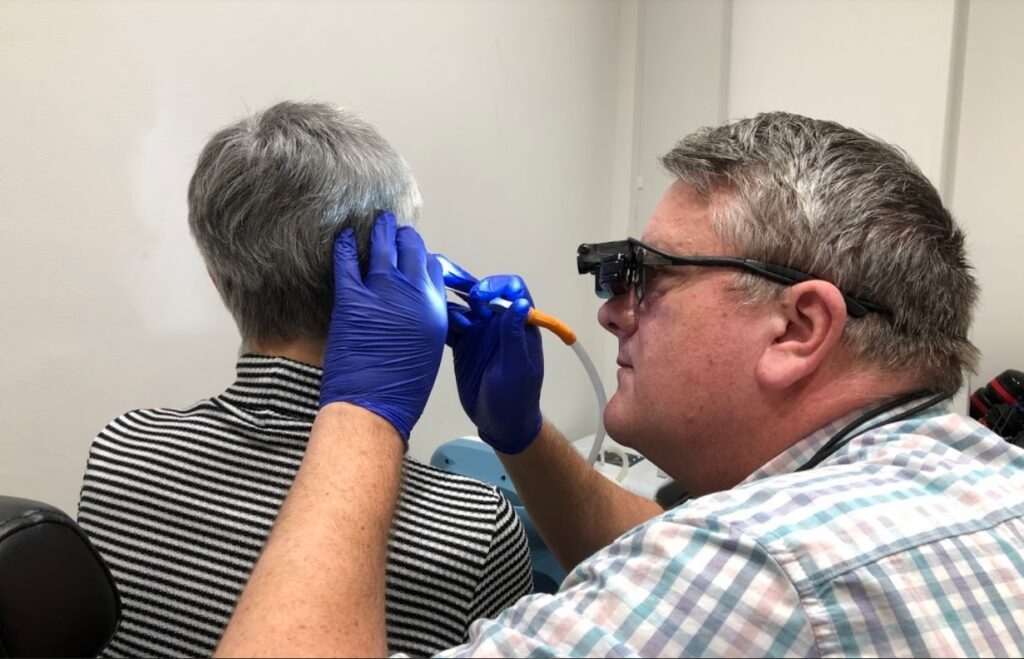
During the procedure, the practitioner uses a microscope or similar magnified view and a suction device to remove wax from the ear canal. You may hear the suction and feel some pressure, but the process is usually brief. Good safeguarding practice means the clinician should explain what is happening, check your comfort, and stop if needed. After treatment, they may tell you what was removed, whether the ear canal looked clear, and whether any further medical review is sensible. A thoughtful appointment does not end once the wax has gone, it also includes clear aftercare and straightforward advice about next steps.
Before the Procedure Begins
Before any microsuction takes place, you should have the chance to ask questions and mention anything that could affect treatment. That might include previous ear surgery, recent infections, hearing aid use, or a history of eardrum problems. A careful pre-treatment conversation helps build trust and supports safe clinical judgement.
What the Clinician May Explain
You may be told how long the appointment is likely to take, what sensations are normal, and what would make the clinician stop or refer you on. That kind of explanation matters because it sets realistic expectations and reduces fear, particularly for first-time patients.
Good Practice During the Visit
Look for a practitioner who speaks plainly, checks consent, and does not rush the conversation. In private ear care, those small behaviours often tell you a lot about the standard of service and the seriousness of the safeguarding culture behind it.
Parking
There is free on-street parking for up to 30 minutes in designated “Stop and Shop” bays..
Parking Tips for Your Ealing Visit
Planning your journey ahead of time can make arriving for ear wax removal in Ealing feel much simpler. The local Stop and Shop bays offer a short-stay on-street parking option, which may suit visitors travelling by car for a brief appointment. Because parking restrictions can change, it is wise to check the bay signage when you arrive and allow a little extra time to find a suitable space.
- Consider arriving a few minutes early, especially if you are unfamiliar with the Northfields area.
- Look for designated Stop and Shop bays close to the clinic.
- Check the displayed restrictions, permitted duration, and any local conditions before leaving your vehicle.
If short-stay parking does not suit your plans, public transport may be a practical alternative, with Northfields Underground Station within walking distance of the clinic. Choosing the travel option that best supports your comfort can help you focus on your ear care appointment rather than last-minute arrangements.
Accessibility and Respectful Care in the Clinic
Accessibility is a core part of safeguarding, not an optional extra. A clinic with ground-floor access and a level entrance can make a real difference for people who use mobility aids, find stairs difficult, or feel unsteady. In an ear wax removal setting, that practical ease can lower stress before treatment even begins. It also matters for older adults, people with long-term conditions, and anyone who finds unfamiliar places tiring. When the journey is simpler, the appointment is more likely to feel manageable, and the patient can focus on ear health rather than the obstacles at the door.
Respectful care goes beyond physical access. It includes privacy, clear communication, and the chance to be heard without feeling rushed. Some people need instructions repeated, some prefer written details, and some feel more comfortable if a family member or carer is present. A good private microsuction service should be flexible enough to accommodate those needs where possible. That flexibility is especially important when someone is anxious about hearing loss, worried about pain, or unsure whether ear wax is really the problem. Safeguarding works best when the environment is calm, practical, and attentive to individual circumstances.
Why the Environment Matters for Ear Treatment
The clinical environment can shape how safe and settled a person feels. Quiet surroundings, clear signs, and a tidy treatment room all help reduce confusion. For microsuction, that calm setting is useful because the procedure requires concentration and trust between patient and clinician.
- Privacy helps people talk about sensitive symptoms such as tinnitus or discharge.
- Level access can help people who use wheelchairs, walkers, or sticks.
- A steady pace can reduce anxiety, especially during a first appointment.
- Clear directions and unhurried communication support patients with hearing loss.
- Carers or companions may be helpful if someone needs extra reassurance.
Simple Adjustments That Can Help
If you need a chair with arm support, a quieter explanation, or a little more time to settle, it is reasonable to ask. Those adjustments are often easy to make and can improve both comfort and safety during the visit.
A Small Tip for the Day of Your Appointment
Arriving a little early may help you feel less rushed, especially if you are unfamiliar with the area or want time to orient yourself before treatment begins.
One Practical Point to Remember
If accessibility matters to you, check the details before travelling so you can choose the most suitable route and avoid unnecessary strain on the day.
Video: What Happens at Your Ear Wax Removal Appointment in Ealing
Why Private Microsuction Can Be a Timely Choice
Many people choose private microsuction because they want a faster, more predictable route to ear wax removal than they may get elsewhere. Waiting times for treatment can affect how long someone lives with blocked hearing, discomfort, or tinnitus, and that delay can be frustrating. In Ealing, a private appointment may offer a more direct route to assessment, especially if symptoms are affecting work, study, conversations, or sleep. Timeliness is not just about convenience, it can also reduce the temptation to try unsuitable home remedies while waiting. That is one reason private ear care has become more common in West London.
Even so, speed should never replace good judgement. A responsible microsuction service will still screen for warning signs and may decline treatment if the ear needs medical review first. That balance between access and caution is what makes private care more trustworthy. It means patients can benefit from a shorter route to treatment without losing the protections that come from proper clinical standards. In safeguarding terms, the right outcome is not simply a quick appointment, but a suitable appointment delivered by someone who knows when to proceed and when to stop.
How Timing Affects Patient Choice
People often choose private treatment when they want to avoid prolonged discomfort, missed conversations, or difficulty using hearing aids. For those with busy work patterns or family responsibilities, being able to plan ahead can make a real difference. It can also reduce the urge to self-treat in ways that may make wax impaction worse.
- Timely care can be especially helpful before travel, events, or important meetings.
- A shorter wait still needs proper screening and safe clinical judgement.
- Private appointments can be easier to fit around work, school runs, or caring duties.
- Booking ahead gives you a fixed plan rather than waiting for a slot to open up.
- Prompt assessment may reduce stress for people whose hearing feels noticeably reduced.
When Urgency Should Be Treated Carefully
If your symptoms began suddenly, or if they are accompanied by pain, discharge, or dizziness, treat that as a reason to seek medical advice rather than simply choosing the quickest wax removal option available.
Microsuction Versus Ear Syringing
Many people in West London are moving away from walk-in ear syringing and towards microsuction ear wax removal, partly because syringing can be associated with concerns such as further impaction of the ear wax, hearing loss, perforation of the eardrum, and ear infection, but also because ear syringing is generally considered less safe than ear microsuction. The page notes that local GP surgeries may no longer offer syringing, and that the ear wax can be pushed even harder against the eardrum, which may help explain why people are seeking alternatives. Unfortunately, the sharp rise in demand has meant that NHS microsuction clinics may struggle to meet need, with waiting times often over two to three months.
You no longer need to wait months for micro suction. Why not save time by going private? It’s not as expensive as you think. Simply go to our booking page and you could be saying goodbye to your wax blockage this week!
Fascinating Facts About Ealing
- “Queen of the Suburbs”
Ealing earned its regal nickname in the 19th century as one of London’s first garden suburbs, famed for its leafy streets and grand Victorian villas. Developers marketed it as a rural escape for wealthy Londoners, a reputation still reflected in Ealing’s green spaces like Walpole Park. - Ealing Studios: Birthplace of British Film
Founded in 1902, Ealing Studios is the world’s oldest continuously working film studio. It produced the iconic *Ealing Comedies* of the 1950s, including *The Ladykillers* (1955). Scenes from *Notting Hill* (1999) and *Downton Abbey* were also filmed here, cementing Ealing’s cinematic legacy. - Pitzhanger Manor’s Hidden Gem
Designed by architect John Soane in 1800, this Ealing landmark was his country retreat. Its quirky design includes hidden mirrors and skylights. Charlie Chaplin filmed scenes for *A Woman of Paris* (1923) in its gardens, though locals kept it secret to avoid crowds. - Ear Wax Removal in Ealing
Ear wax removal is available from the experts at Hearing First Ealing on Thursdays at Back 2 Well-Being on Northfield Road, just a few minutes’ walk from Northfields station. Click here to book now. - Medieval Roots of St. Mary’s Church
Ealing’s 12th-century St. Mary’s Church on St Mary’s Road was rebuilt in the 19th century but retains medieval foundations. During renovations, workers found a 14th-century “leper squint”—a wall hole for outcasts to view Mass—hinting at Ealing’s role in medieval religious life. - The Great Ealing Fair
pickpockets flooded the town. A plaque near Ealing Broadway marks the original site., Ealing hosted a sprawling annual fair granted by King John. Revived in 1995 as the Ealing Beer Festival, From 1215 to 1879, it nods to its raucous past when traders, and performers - Ealing’s Rebel Suffragettes
In 1913, Ealing suffragettes firebombed the local railway station in protest. A hidden mural near Haven Green commemorates their activism, though council records downplay the “unladylike” tactics of Ealing’s militant campaigners. - Haunted Ealing Town Hall
Built in 1888, Ealing Town Hall’s clock tower is said to be haunted by the “White Lady,” a ghostly figure linked to a heartbroken bride who jumped from the tower in 1891. Staff report cold spots and phantom footsteps in the ballroom. - The Lost Ealing Lido
Opened in 1931 near Lammas Park, Ealing Lido was a summer hotspot with art deco diving boards. Closed in 1989, its site is now housing, but locals swear summer nights echo with splashes and 1950s rock ’n’ roll. - Ealing’s Jazz Age Secret
In 1933, Duke Ellington played a surprise gig at Ealing’s Red Lion pub. The event was kept hush-hush to avoid racial tensions, but a scribbled set list found in the cellar in 2002 confirmed the legend—now framed behind the bar. - Monty Python’s Ealing Link
Scenes from *Monty Python and the Holy Grail* (1975) were filmed in Ealing’s Warren Farm. The “Knights Who Say Ni” sequence used its overgrown fields, though locals initially mistook the cast for eccentric hikers. - Ealing’s Green Goddess
The 1898 Walpole Park statue of Ceres, Roman goddess of agriculture, was nicknamed the “Green Goddess” after being painted by pranksters in the 1960s. Ealing Council restored her, but greenish stains still linger—blamed on “divine intervention.” - The Ealing Club: Cradle of British Blues
a plaque now honors Ealing’s role in launching the 1960s blues boom., Dubbed “the birthplace of British R&B, and ” this basement venue on The Broadway hosted The Rolling Stones’ first gig in 1962. Alexis Korner’s band rehearsed here - Ealing’s UFO Panic
In 1964, over 50 Ealing residents reported a “cigar-shaped object” hovering near Hanger Lane. The *Ealing Gazette* ran front-page sketches, but the RAF dismissed it as a weather balloon—locals still debate “the day Ealing met aliens.” - Secret Bunkers Under Ealing
During the Cold War, a network of bunkers was built beneath Ealing Town Hall. Rediscovered in 2010, they contained decaying 1960s survival kits. Urban explorers joke about Ealing’s “apocalypse Airbnb,” though access remains restricted. - Ealing Abbey’s Musical Legacy
Founded in 1897, this Benedictine monastery houses a choir school that trained composer John Tavener. Its Gregorian chants still echo through Ealing, and rumors persist of a ghostly monk humming plainsong in the cloisters at midnight. - The Ealing Feasts
From 1547, Ealing hosted lavish “Parish Feasts” to celebrate the harvest. Revived in 2012 as a food festival, the event recreates Tudor recipes—though the original “ale-soaked bread” is now craft beer and sourdough. - Ealing’s Film Star Park
Lammas Park’s meadows doubled as African savannah in *The African Queen* (1951) and Victorian London in *Finding Neverland* (2004). Locals joke that Ealing’s grass is “Hollywood-grade,” though dog walkers rarely spot cameras. - The Southall Rail Disaster Memorial
In 1997, a train collision in Southall (part of Ealing borough) killed seven. A memorial garden off Tentelow Lane honors the victims, though many passersby mistake it for a quiet picnic spot. - Ealing’s “Hanging” Station Sign
Ealing Broadway’s tilted station sign, damaged by a lorry in 2003, sparked rumors of a cursed “hanging sign.” Staff lean into the myth, telling commuters it tilts further whenever a train is delayed—a playful nod to Ealing’s commuting woes.
Questions to Ask Before Ear Wax Removal
Asking the right questions before your appointment can help you feel safer and better prepared. In private ear wax removal, you are entitled to understand what the clinician plans to do, what sensations are likely, and whether microsuction is suitable for your situation. That matters even more if you have a history of ear infections, a perforated eardrum, ear surgery, or sensitivity to sound. The conversation should never feel like a test. It should feel like a normal part of proper care, giving you the information needed to make an informed decision.
A safeguarding-focused clinic should welcome questions and answer them in plain English. If you are not sure about the difference between wax blockage, infection, or another cause of hearing loss, it is sensible to ask for clarification. The more accurate the information, the better the clinical judgement. For many people, the conversation is also reassuring because it shows the clinician is listening rather than treating the appointment as routine. In a service built around safety, that responsiveness is a sign of quality.
Helpful Questions for the Clinic
Questions can help you understand suitability, possible risks, and aftercare. You do not need medical jargon to advocate for yourself, just a clear idea of what you want to know before treatment begins.
- What aftercare should I follow if my ears feel sensitive afterwards?
- Is microsuction suitable for my ears, given my symptoms and medical history?
- What should I expect to feel during the procedure, and how long might it take?
- Should I avoid using earbuds, hearing aids, or water in the ear for a period after treatment?
- Are there any reasons you might stop treatment or refer me for medical review?
When to Pause and Get Advice
If you are uncertain about any answer, do not feel hurried into going ahead. It is perfectly reasonable to pause, ask for more detail, or seek medical advice first if the symptoms do not sound like simple wax build-up.
One Practical Safeguard
Keep a brief note of your symptoms before the appointment, including when they started and whether one ear is worse than the other. That can help the clinician make a careful assessment.
Book Your Microsuction Ear Wax Removal Appointment Today, And Ease the Discomfort Caused by Ear Wax.
Our microsuction ear wax removal clinic in Ealing also serves clients in East Finchley, Church End, Golders Green, Hendon, Hampstead Garden Suburb, Mill Hill, Barnet, Finchley, Highgate, Crouch End, Hornsey, Harringay, Southgate, Whetstone, Arnos Grove, Osidge, Wood Green and Tottenham.
Aftercare and Sensible Next Steps
Good aftercare matters because the ear canal may feel slightly sensitive after microsuction, even when the procedure has gone well. Most people want to know whether they can return to normal activities, wear hearing aids, or clean their ears in the usual way. Clear advice at the end of the appointment can prevent confusion and help protect the ear from unnecessary irritation. It also gives you a chance to understand what happened during treatment, whether all the wax was removed, and whether you should arrange any follow-up if symptoms continue. Aftercare is part of safeguarding because it extends the duty of care beyond the treatment chair.
You may be advised not to put anything into the ear canal, to avoid cotton buds, and to return for review if discomfort does not settle. If hearing still feels blocked, or if you notice new pain, discharge, or dizziness afterwards, that should not be ignored. Some people need a further assessment because wax is not the only possible cause of their symptoms. A thoughtful private clinic should explain that clearly rather than assume everything will improve automatically. The aim is safe relief, not just a quick procedure.
What Good Aftercare Usually Covers
Aftercare advice should be practical and easy to follow. It may include what to expect over the next day or two, when to restart hearing aids, and what warning signs mean you should seek help. That guidance can help you feel more confident once you leave the clinic.
- Keep any follow-up information in case you need to refer back to it later.
- Follow any personalised advice you are given, rather than relying on generic online tips.
- Avoid inserting cotton buds, hair grips, or similar objects into the ear canal.
- Tell a clinician if you develop pain, discharge, ringing, or balance problems after treatment.
- Return or seek advice if symptoms are not improving as expected.
A Sensible Caution
If your hearing changed suddenly, or if symptoms are still shifting after treatment, do not assume wax was the only issue. Proper review is safer than waiting and hoping the problem settles on its own.
More Information
You can find more information about our Ealing ear wax removal clinic here.
Microsuction and Ear Syringing: a Careful Comparison
People researching ear wax removal in Ealing often compare microsuction with ear syringing or irrigation. The two approaches are different. Microsuction removes wax with suction under direct observation, while syringing uses water to flush the canal. Each method has its own strengths and limitations, but many patients prefer microsuction because it gives the clinician more visual control. That can feel more reassuring when someone has had blocked ears for a long time or has heard mixed experiences about water-based methods. In a safeguarding context, the important point is not to say one method suits everyone, but to recognise that a careful assessment should guide the choice.
Traditional syringing is less commonly offered in some settings, partly because it may not suit every ear condition and because it can be uncomfortable for some patients. Microsuction is often seen as a more precise alternative, especially when the wax is impacted or when the ear canal needs to be seen clearly. Even so, the safest option depends on the person's ears, symptoms, and history. A reputable service will explain the pros and cons honestly, then guide you towards the most appropriate route rather than the easiest one to describe.
Practical Differences Patients Often Notice
The main difference is control. With microsuction, the clinician can see the ear canal and adjust the suction as they work. With syringing, the sensation of water and the way wax breaks apart can feel less predictable for some people. That does not make syringing wrong, but it does mean the experience can feel very different.
- Clinical suitability should depend on ear health, not habit alone.
- Microsuction gives direct visual guidance during wax removal.
- Water-based methods may be less suitable if the ear is already irritated.
- Some patients prefer the dry approach because it feels cleaner and more controlled.
- Questions about pain, infection, or perforation risk should be discussed before any procedure.
Why a Careful Comparison Helps
When patients understand the difference between methods, they can give informed consent and avoid choosing a treatment based only on hearsay. That makes the appointment safer and more collaborative.
A Small but Important Point
If you have had a poor experience with irrigation before, mention it early. That information may help the clinician decide whether microsuction is the better option for you.
Nearby Clinics
Here are some of our nearby clinics:
- Edgware: Private Microsuction Ear Wax Removal In North London
- Surbiton: Private Microsuction Ear Wax Removal In Surbiton KT6
Planning Your Visit to an Ealing Ear Clinic
Planning ahead can make a private microsuction appointment feel less stressful, especially if you have not visited the clinic before. Thinking through the journey, parking, timing, and any mobility needs can reduce last-minute pressure and leave you better able to focus on the appointment itself. For people with blocked ears, even small practical issues can feel harder than usual, particularly if hearing is already reduced. A smooth visit supports the broader safeguarding approach because it lowers avoidable strain before treatment begins. That is one reason many patients value clear pre-visit information, even when the procedure itself is relatively brief.
It is also sensible to think about whether you may need support from a friend or family member if you feel anxious, use hearing aids, or find balance difficult. While many people attend alone without issue, there is nothing wrong with planning for extra support if it helps you feel calmer and more organised. A clinic that takes safety seriously should understand that each visitor arrives with different needs. Good planning is not about making a fuss, it is about giving the appointment the best chance of going well.
Simple Preparation Steps
A little preparation can make the day easier. Check your confirmation details, allow enough travel time, and think about any questions you want to ask when you arrive. If you use hearing aids, make a note of any advice you have been given about them before and after treatment.
- Wear clothing that makes it easy to sit comfortably during the procedure.
- Read your appointment details carefully so you know when and where to attend.
- Bring a list of symptoms, past ear problems, and any relevant medical history.
- Allow extra time if you are travelling by car or unfamiliar with the area.
- Plan a quiet period afterwards if you expect to feel tired or slightly sensitive.
One Final Preparation Tip
If you are unsure whether you need treatment, it is better to ask in advance than to travel unnecessarily. That small check can save time and helps ensure the appointment is genuinely useful.
Hearing First Ealing
Located within Back 2 Well-Being,
URL: https://www.hearingfirst.co.uk/book-ear-wax-removal-near-me/book-microsuction-ear-wax-removal-ealing/