Categories
Health & Wellness Hearing Devices

Hearing Aids Improve Speech Clarity and Communication Skills

Mastering the Fundamental Components of Speech Clarity

Identifying the Essential Elements of Speech Clarity

Speech clarity is a vital aspect of effective communication, emphasising the distinction and understandability of spoken language. It goes beyond merely perceiving sounds; it encompasses grasping the message being shared. Key factors that enhance the clarity of speech include articulation, appropriate intonation, and a distraction-free environment. For individuals with hearing impairments, the ability to make sense of these sounds can greatly influence their daily interactions and overall quality of life. Pursuing optimal speech clarity fosters smoother conversations, enriching both personal connections and professional relationships, and contributing to a more interconnected existence.

Understanding the Importance of Speech Clarity in Everyday Life

The importance of clear speech is significant across various aspects of life, affecting everything from personal relationships to workplace interactions. In social contexts, effective communication builds connections, reduces misunderstandings, and cultivates trust among individuals. For professionals, clarity in speech is essential for delivering impactful presentations, engaging in successful negotiations, and promoting teamwork, ultimately enhancing career opportunities. Articulate speech also boosts an individual’s confidence, making them feel more competent in diverse social situations. The ability to communicate clearly not only facilitates better emotional expression but also contributes to improved mental well-being, underscoring the extensive advantages of speech clarity.

Recognising and Addressing Barriers to Speech Clarity

Various challenges can hinder speech clarity, including background noise, hearing loss, and specific speech disorders. In bustling environments, such as restaurants or busy streets, overwhelming sounds can obscure crucial conversational elements, making it difficult to follow spoken dialogue. With millions affected by hearing loss globally, individuals may struggle with muffled auditory inputs and distorted speech, complicating communication efforts. speech disorders like stuttering or dysarthria can further impair clarity, resulting in frustration for both speakers and listeners. Recognising these challenges is the first step toward implementing effective solutions, such as the use of hearing aids, to enhance communication.

Effective Strategies for Improving Speech Clarity
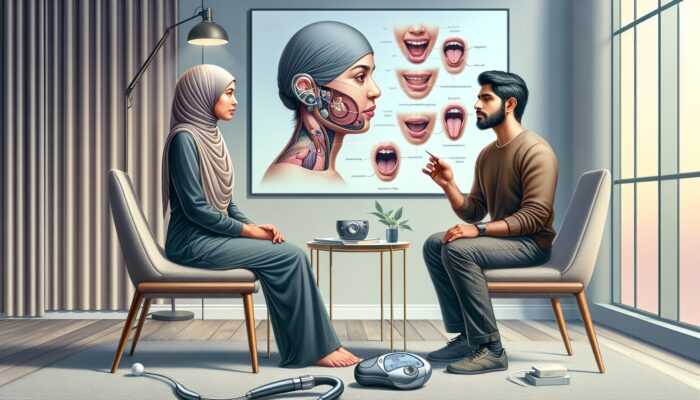
A speech therapist guiding a client in a serene room with articulation diagrams and a hearing aid on a table.

Enhancing speech clarity can be accomplished through various techniques, including articulation exercises, breathing techniques, and structured speech therapy. Articulation exercises specifically address the accurate formation of sounds, significantly improving intelligibility. Breathing methods are crucial for managing the flow of speech, allowing individuals to articulate their thoughts with greater clarity and assurance. professional speech therapy provides customised guidance and exercises tailored to each individual’s unique challenges, empowering them to overcome barriers. When combined with modern technology, such as hearing aids, these strategies can substantially enhance communication effectiveness and clarity.

How Technology Is Revolutionising Speech Clarity

Technological advancements have profoundly transformed the approach to enhancing speech clarity. State-of-the-art hearing aids now feature sophisticated functionalities that improve sound quality, ensuring that conversations remain intelligible even in distracting settings. Tools like speech-to-text software and noise-cancellation technologies enable users to engage fully in discussions, effectively bridging the communication gap caused by hearing impairments or environmental noise. With these innovations, individuals can enjoy a richer auditory experience, enhancing their ability to connect with others and participate meaningfully in both social and professional environments.

Understanding the Functionality of Hearing Aids

Exploring How Hearing Aids Operate
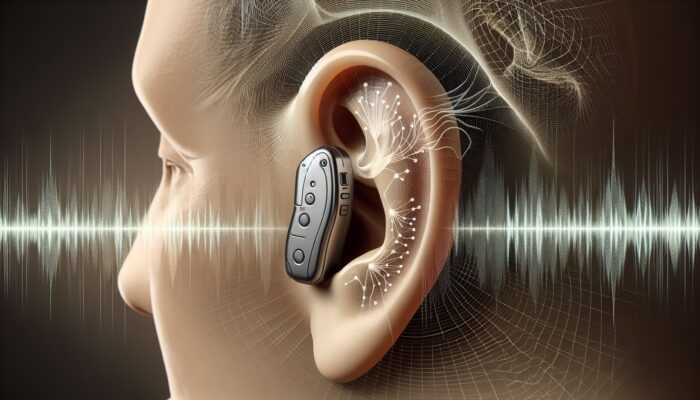
A close-up of a hearing aid capturing and amplifying sound waves for a person's ear.

Hearing aids serve as essential tools for individuals experiencing hearing loss, as they amplify sound to facilitate better comprehension of auditory information. Their primary function involves capturing sound through built-in microphones, converting it into digital signals, and amplifying these signals for delivery to the ear. This amplification process enables users to perceive sounds that may have previously been inaudible, fostering a clearer understanding of speech and enriching their overall auditory experience. The effectiveness of hearing aids can vary based on individual needs and the extent of hearing loss, yet they remain vital instruments for enhancing quality of life.

Exploring Various Types of Hearing Aids to Suit Different Needs

A diverse range of hearing aid models is available, each specifically designed with unique features to meet different user needs and preferences. Behind-the-ear (BTE) models are widely appreciated for their user-friendly design and adaptability. In-the-ear (ITE) aids are custom-fitted, providing a more discreet option, while completely-in-canal (CIC) hearing aids, though less visible, offer a more natural auditory experience. Each type presents its own advantages and disadvantages, allowing users to choose based on comfort, visibility, and amplification needs. Understanding these options is essential for individuals seeking to effectively and comfortably enhance their speech clarity.

The Influence of Technology on Modern Hearing Aids

Contemporary hearing aids utilise digital signal processing technology to significantly improve sound quality and speech clarity. This advanced technology enables precise adjustments based on each user’s unique hearing profile, optimising the amplification of speech frequencies while minimising background noise. Many modern devices include advanced features such as feedback suppression, which eliminates annoying whistling sounds, and automatic adjustments that respond to changing environmental conditions. As hearing aid technology continues to evolve, users benefit from ongoing enhancements that enrich their auditory experiences, making communication more effective and enjoyable.

Optimising Speech Clarity with Hearing Aids

Understanding the Advantages of Noise Reduction Features

Noise reduction is a pivotal feature in modern hearing aids, specifically designed to filter out unwanted background noise while amplifying speech clarity. Through advanced algorithms, these devices can distinguish between speech and ambient sounds, enabling users to focus on conversations without distractions. This capability is particularly beneficial in noisy environments, such as bustling cafés or crowded workplaces, where background chatter can obscure vital verbal nuances. The ability to prioritise essential sounds paves the way for more meaningful and engaging interactions, empowering users to confidently participate in social situations.

Improving Conversations with Directional Microphones

Directional microphones are another innovative feature that significantly enhances speech clarity in hearing aids. These microphones are designed to focus on sounds coming from specific directions, typically from the front, allowing users to concentrate on conversations even in lively settings. By reducing sounds from other directions, users can effectively isolate dialogue, making it easier to comprehend what is being communicated without excessive effort. This technology greatly enhances the overall user experience, particularly in social gatherings or meetings, where multiple conversations may occur simultaneously. For individuals aiming to improve their communication skills, the introduction of directional microphones is truly transformative.

Leveraging Frequency Compression for Enhanced Understanding

Frequency compression technology is crucial for improving speech comprehension, especially for individuals experiencing high-frequency hearing loss. It works by compressing high-frequency sounds into lower frequencies that users can hear more effectively. This modification preserves important speech cues, such as consonants, which are essential for language comprehension. By adjusting sound to a more accessible range, frequency compression empowers individuals to engage more fully in conversations and interactions, thereby enhancing their overall communication abilities. This technology exemplifies how hearing aids can be precisely customised to meet specific auditory needs.

The Multifaceted Advantages of Improved Speech Clarity

Enhancing Social Connections Through Clear Communication

Improved speech clarity can significantly transform social interactions, enabling individuals to communicate more effectively and confidently. Clearer speech reduces the risk of misunderstandings and encourages genuine conversations, fostering deeper connections among friends, family, and colleagues. In various social settings, from casual outings to formal events, the ability to articulate thoughts and respond clearly contributes to more enjoyable and fulfilling interactions. As relationships flourish through enhanced communication, individuals experience a greater sense of belonging and emotional well-being, highlighting the profound impact of how hearing aids enhance speech clarity.

Enhancing Professional Success Through Clear Speech

In a professional environment, enhanced speech clarity can lead to increased productivity and greater self-assurance. Clear communication is crucial for effective collaboration, impactful presentations, and successful negotiations, where misunderstandings can result in costly errors. The ability to express ideas and engage in discussions with clarity not only enhances job performance but also opens doors to career advancement opportunities. Employers benefit as well; teams made up of members who communicate effectively tend to demonstrate greater cohesion and creativity. investing in technologies that improve speech clarity, such as hearing aids, is a prudent choice for both individuals and organisations aspiring to succeed.

Supporting Emotional Well-being Through Effective Communication

The link between communication and emotional well-being is undeniable. When individuals can articulate their thoughts clearly and understand others without barriers, it fosters a sense of empowerment and alleviates feelings of isolation. Enhanced speech clarity through hearing aids reduces frustration in social situations, allowing users to engage more comfortably and freely. This improved communication capability supports positive mental health, nurturing relationships that are essential for emotional support and resilience. the benefits of enhanced speech clarity extend far beyond practical communication, significantly enriching the emotional lives of individuals.

Adjusting to Life with Hearing Aids

Navigating the Initial Adjustment Period

Adjusting to hearing aids signifies a substantial transition that requires patience and time. Many users face an initial adaptation period where they must become accustomed to the new sounds and sensations provided by their hearing aids. It is common to feel overwhelmed by a surge of auditory information, ranging from subtle environmental sounds to the full range of conversations. This adjustment phase can vary from a few days to several weeks, influenced by personal experiences and the extent of hearing loss. Approaching this period with an open mind is crucial for maximising the benefits of enhanced speech clarity.

Customisation and Fine-tuning by Professionals

Professional adjustments and fine-tuning are essential steps in optimising hearing aids to cater to individual needs. Audiologists play a critical role in this process, customising settings based on the user’s specific hearing profile and lifestyle. Fine-tuning may involve modifying sound levels, frequency responses, and noise reduction features to ensure optimal clarity across various environments. This customisation is vital for maximising the effectiveness of hearing aids, as it allows users to experience tailored solutions that address their unique auditory challenges. Regular follow-ups with audiologists can further enhance hearing aid performance over time, ensuring lasting satisfaction.

Ensuring Continuous Support and Maintenance for Hearing Aids

Regular check-ups and maintenance are crucial for ensuring that hearing aids continue to function effectively. Users should arrange periodic appointments with audiologists to assess the performance of their devices and make any necessary adjustments. Maintenance tasks may include cleaning, battery replacements, and software updates to improve performance and longevity. By prioritising these ongoing support measures, users can enjoy consistent speech clarity and an enhanced auditory experience, minimising the likelihood of frustration or communication barriers over time.

Strategies for Adapting to Varied Environments

Learning to effectively use hearing aids in different settings is essential for maximising their benefits. Users should develop adaptation strategies, such as choosing optimal seating arrangements in noisy restaurants or employing assistive listening devices in larger venues. Familiarising oneself with various listening environments can build confidence in engaging in conversations. techniques like focusing on the speaker’s lips during discussions can further enhance sound clarity in challenging contexts. Mastering these strategies can significantly improve overall satisfaction with hearing aids and the communication experiences they facilitate.

Addressing Psychological Adjustments and Counselling Needs

The psychological aspects of hearing loss can present challenges for many users, making emotional support and counselling vital to the adjustment process. Coping with hearing loss may evoke feelings of frustration, isolation, and anxiety, adversely affecting an individual’s mental health. Seeking assistance from professionals who specialise in auditory-related psychological issues can provide valuable coping strategies and support systems. Counselling can empower users to view their hearing aids as tools for connection rather than limitations. This holistic approach to adjustment not only enhances speech clarity but also fosters resilience and emotional health.

Innovations in Hearing Aid Technology

The Groundbreaking Integration of Artificial Intelligence

The incorporation of artificial intelligence (AI) into hearing aids marks a significant advancement in enhancing speech clarity. AI technology allows hearing aids to analyse sound environments in real-time, automatically adjusting settings to optimise clarity based on surrounding noise levels and types of sounds. This capability greatly enhances the user experience, simplifying navigation through different auditory environments, from quiet meetings to lively social gatherings. As AI technology continues to evolve, the potential for further innovations in hearing aids holds the promise of even greater improvements in communication effectiveness and user satisfaction.

Wireless Connectivity for Effortless Communication

Wireless connectivity in hearing aids enables seamless integration with smartphones and other devices, enhancing speech clarity through direct streaming capabilities. This feature facilitates clear communication during phone calls, video conferences, and audio streaming, offering users a more immersive auditory experience. By connecting to various devices, hearing aids can automatically adjust settings according to context, further improving clarity in conversations. This level of connectivity empowers users to engage with modern communication methods without the barriers that traditional hearing aids may impose, significantly enhancing their social interactions and daily experiences.

Future Trends in Hearing Aid Technology

Continuous research in hearing aid technology suggests promising innovations aimed at improving speech clarity. Emerging trends include the development of smaller, more discreet devices equipped with advanced functionalities, such as enhanced noise-cancellation and improved sound processing algorithms. Innovations in battery technology may also lead to longer-lasting devices with quicker charging capabilities. As these advancements unfold, they will further empower individuals with hearing loss, allowing them to enjoy clearer communication and richer auditory experiences, thus transforming their interactions with the world.

Guidelines for Choosing the Right Hearing Aid

Evaluating Personal Needs for Optimal Hearing Aid Selection

Selecting the appropriate hearing aid begins with a thorough assessment of individual needs. Audiologists evaluate the severity of hearing loss, lifestyle preferences, and personal objectives to recommend the most suitable hearing aid model. This tailored approach ensures that users receive devices aligned with their unique auditory requirements, maximising the potential for improved speech clarity. Factors such as budget, desired features, and aesthetic preferences also play a significant role in the decision-making process. By understanding their specific needs, users can make informed choices that lead to more effective communication solutions and overall satisfaction.

The Importance of Trial Periods and Demonstrations

Trial periods and demonstrations are vital components of the hearing aid selection process. Many audiologists offer opportunities for users to try out different models, allowing them to experience firsthand how each device enhances speech clarity in real-world situations. This practical approach helps users assess their comfort levels, evaluate sound quality, and determine which features best suit their lifestyles. Engaging in trial periods empowers individuals to make confident decisions, ensuring they choose hearing aids that genuinely meet their needs and preferences for optimal communication.

Understanding Costs and Insurance Considerations in Hearing Aid Selection

Gaining a clear understanding of the costs associated with hearing aids is essential for prospective users. Prices can vary significantly based on the features, technology, and brand of the device. insurance coverage for hearing aids can differ greatly, with some plans offering partial reimbursement while others may not cover expenses at all. Individuals should explore their insurance options and consider financial assistance programmes when budgeting for hearing aids. By being well-informed about costs and insurance considerations, users can navigate the financial landscape more effectively, ensuring access to the best solutions for their hearing needs.

Common Inquiries Regarding Hearing Aids

What are the key advantages of using hearing aids?

Hearing aids primarily enhance speech clarity, improve social interactions, boost confidence in professional environments, and contribute to overall emotional well-being. They make communication more accessible, significantly enriching the user’s quality of life and social engagement.

In what way do hearing aids improve speech clarity?

Hearing aids enhance speech clarity by amplifying sound, minimising background noise, and incorporating features such as directional microphones and frequency compression, allowing users to focus on conversations even in challenging auditory environments.

Do all hearing aids come with the same features?

No, hearing aids vary significantly in features based on models and brands. Some may include advanced options like noise reduction, wireless connectivity, and artificial intelligence integration, while others may focus primarily on basic amplification functionalities.

How long does it typically take to adjust to wearing hearing aids?

The adjustment period differs among individuals but typically ranges from a few days to several weeks. Users may initially experience an overwhelming sensation as they adjust to new sounds and auditory information.

Can hearing aids assist with background noise?

Yes, many modern hearing aids incorporate noise reduction features that help filter out background noise, allowing users to focus more effectively on speech and important sounds in their surroundings.

What factors should I take into account when choosing a hearing aid?

Consider factors such as the severity of hearing loss, lifestyle preferences, comfort, desired features, and budget. Consulting with an audiologist can provide valuable insights tailored to individual needs, ensuring the best choice of hearing aids.

Are hearing aids covered by insurance?

Coverage for hearing aids varies widely among insurance plans. Some may offer partial reimbursement, while others may not provide coverage at all. It is essential to verify with your provider for specific coverage details.

What advancements are being made in hearing aid technology?

Recent advancements include the integration of artificial intelligence, improved noise cancellation, and enhanced wireless connectivity, all aimed at enhancing user experience and speech clarity in diverse environments.

How often should I have my hearing aids checked?

Regular check-ups are recommended every six months to maintain optimal functionality. This includes cleaning, maintenance checks, and potential adjustments to accommodate any changes in hearing needs.

Can I wear my hearing aids while exercising?

Yes, many hearing aids are designed to withstand sweat and moisture. it is advisable to consult with your audiologist regarding specific models that are best suited for active lifestyles and physical activities.

Follow our journey on X!

The post Hearing Aids Enhance Communication and Speech Clarity appeared first on The Microsuction Ear Wax Removal Network.

Originally posted 2025-05-08 03:12:21.

The post Hearing Aids Improve Speech Clarity and Communication Skills appeared first on Healthcare Marketing Service.
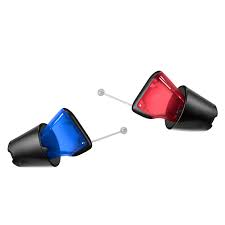
Categories
Health & Wellness Hearing Devices

Hearing Aids: Your Essential Guide to Enjoying TV

Last Updated on 04/05/2025 by Admin

Enhance Your Television Viewing Experience with Hearing Aids

To fully enjoy television while using hearing aids, it is crucial to comprehend how different hearing aids interact with various television audio systems. Not all hearing aids provide the same connectivity options, making it essential to select a model that suits your viewing preferences and lifestyle. Currently, the market offers a wide array of hearing aid types, including behind-the-ear (BTE) models, known for their extensive features, and in-the-ear (ITE) styles that provide a more discreet alternative. Each type has its own strengths and weaknesses regarding connecting to television audio, underscoring the importance of choosing a model that aligns with your personal needs and daily routines.

Understanding the Varied Types of Hearing Aids

Becoming familiar with the different categories of hearing aids can significantly enhance your television viewing experience. Behind-the-ear (BTE) hearing aids tend to be the most versatile, featuring ample space for advanced technology that improves audio clarity. They typically connect effortlessly to television audio systems through Bluetooth or telecoil connections, enabling you to enjoy crisp sound directly from your television, free from external noise distractions. In contrast, in-the-ear (ITE) models fit snugly within the ear canal, and while they often come with Bluetooth capabilities, their size can sometimes compromise audio quality, particularly regarding clarity.

For those who wish to combine both options, receiver-in-canal (RIC) hearing aids present an ideal blend, offering excellent sound quality while maintaining a discreet profile. When aiming to enhance your TV experience with hearing aids, it is vital to select a model that is compatible with your television’s audio output system to guarantee optimal performance.

Identifying Audio Output Options for Hearing Aids

Understanding the various audio output options is vital for ensuring that hearing aids effectively communicate with your television. Many modern hearing aids come equipped with Bluetooth technology, allowing seamless audio streaming directly from your TV. This capability enables viewers to immerse themselves in their favourite programmes without the distraction of surrounding noise, significantly enhancing the overall viewing experience.

Another option worth exploring is telecoils, which capture electromagnetic signals from the television and transmit them directly into your hearing aids. direct audio input (DAI) cables can provide a traditional and reliable connection from your hearing aids to the TV’s audio output. Understanding these various audio output options empowers users to create a viewing environment tailored to their specific needs and preferences, ensuring an enjoyable experience every time they sit down to watch television.

Customising Hearing Aid Settings for Optimal TV Viewing

The ability to customise settings within hearing aids can greatly enhance your television watching experience. Many users can adjust settings to amplify specific frequencies, making dialogue clearer while simultaneously reducing background noise. Volume control is critical in this regard, as the ability to fine-tune audio levels can dramatically improve your overall enjoyment while viewing.

Certain hearing aids also offer the opportunity for sound equalization, enabling users to tailor the audio profile according to their personal preferences. Whether you prefer a bass-heavy sound for action-packed films or a more balanced tone for insightful documentaries, these customisation features cater to diverse listening needs. By learning how to optimise these settings, you can transform your television watching into a personalised and immersive experience.

Enhancing Audio Quality for Hearing Aid Users While Watching Television

Audio quality during television viewing is paramount for hearing aid users, and numerous innovative solutions can significantly improve this experience. Exploring options such as soundbars, wireless headphones, and adjusting your television’s audio settings can dramatically enhance how sound is perceived, making your television time much more enjoyable.

Improving Sound with Soundbars

Soundbars can be an excellent addition for enhancing television audio quality, especially for those who wear hearing aids. They are designed to deliver clearer and more balanced sound profiles, which is particularly beneficial for dialogue-heavy content, such as news broadcasts or films. When choosing a soundbar, ensure it supports Bluetooth connectivity, allowing direct connection to your hearing aids for a seamless audio experience.

Many soundbars are equipped with technology specifically aimed at improving speech intelligibility, a crucial feature for hearing aid users. This technology effectively filters out distracting background noise while emphasising dialogue, ensuring that you do not miss any important lines during your favourite shows or films.

Enhancing Your Experience with Wireless Headphones

Wireless headphones can serve as another excellent option for enriching your television viewing experience. These devices can connect to both televisions and hearing aids, allowing for a customised sound experience that does not disturb others in the same room. Numerous headphone models feature adjustable sound profiles, enabling users to modify audio settings based on the type of content, whether it’s an engaging documentary, an exciting film, or a thrilling live sports event.

Selecting headphones with noise cancellation capabilities can further enhance audio clarity by minimising distractions from household noises. By effectively integrating technology, wireless headphones provide a close and personal auditory experience that can transform your television viewing sessions into a delightful escape.

Optimising Television Audio Settings for Enhanced Clarity

Adjusting your television’s audio settings can significantly improve the experience for hearing aid users. Modern televisions come equipped with a variety of features, including speech enhancement and surround sound settings. Speech enhancement technology is designed to amplify dialogue frequencies while suppressing background noise, effectively making conversations more understandable.

On the other hand, surround sound settings can create a more immersive listening environment. It is essential to confirm that these settings are compatible with your hearing aids. Some users may find that simpler audio modes, such as stereo, provide a more straightforward sound that is easier to comprehend. Experimenting with these various audio settings can lead to a more enriching and satisfying viewing experience.

Choosing the Perfect Television for Hearing Aid Users

When selecting a television that caters to the needs of hearing aid users, several factors must be taken into account. From advanced audio technologies to critical accessibility features, understanding what to prioritise can significantly enhance your viewing experience.

Selecting TVs Equipped with Advanced Audio Technology

Choosing a television that features advanced audio technology, such as Dolby Atmos, can greatly enhance the viewing experience for those using hearing aids. Dolby Atmos creates a three-dimensional sound environment, enabling listeners to perceive where sounds originate, adding depth to the audio experience. This improved sound quality is particularly beneficial when watching action films or engaging shows.

Investing in a television that supports high-definition audio formats is crucial to ensure that sound quality remains uncompromised. This aspect is especially important for individuals who rely on hearing aids, as the clarity of audio can significantly impact their enjoyment and comprehension of the content presented.

Essential Accessibility Features for Improved Viewing

Accessibility features play a vital role in enhancing the viewing experience for hearing aid users. Options such as closed captions and audio descriptions serve as invaluable tools that allow users to engage more fully with content. Closed captions provide a text representation of the dialogue, which can be immensely helpful for individuals who may struggle with audio clarity.

Many modern televisions now include built-in audio description services, narrating scenes and actions for viewers. This feature aids hearing aid users in grasping the context of a scene, enriching their viewing experience and making it more enjoyable overall.

Evaluating Screen Size and Optimal Placement

The screen size and placement of your television can also significantly impact sound quality and the effectiveness of hearing aids. Larger screens positioned at appropriate angles can promote better sound dispersion, ensuring that users do not miss any crucial audio cues. placing the television at a level where sound can travel evenly throughout the room can enhance audio clarity and overall quality.

Room acoustics play a critical role as well; spaces with hard surfaces may amplify echoes and distort sound. incorporating softer materials like rugs and curtains can create a more conducive environment for sound reproduction, significantly benefiting those who rely on hearing aids.

Maintaining Optimal Hearing Aid Performance

To fully enjoy your television time, consistently maintaining the performance of your hearing aids is essential. Regular cleaning, effective battery management, and professional check-ups are critical practices to ensure optimal functionality and sound quality.

The Significance of Regular Cleaning

Keeping hearing aids clean is vital for their effectiveness, especially for users who depend on them during television viewing. The accumulation of dust, moisture, and earwax can obstruct sound clarity and disrupt overall performance. Utilise a soft brush or a specialised cleaning kit to carefully remove any debris that may have built up on your devices.

Consulting your audiologist for tailored recommendations on cleaning techniques specific to your hearing aid model is wise. Regular maintenance not only prolongs the lifespan of your devices but also enhances the quality of sound they deliver, leading to a more enjoyable television viewing experience.

Strategies for Effective Battery Management

Proper management of hearing aid batteries is crucial to avoid interruptions during your TV watching sessions. One effective strategy is to monitor battery life closely and establish a charging routine or maintain a stock of backup batteries. Many modern hearing aids come with rechargeable batteries, offering a more convenient option and alleviating concerns about sudden power loss.

Investing in a hearing aid dehumidifier is a smart choice, as moisture can negatively impact battery performance. Storing batteries in a cool, dry environment can significantly extend their lifespan, ensuring that you can enjoy uninterrupted content on your television.

The Importance of Professional Check-ups

Regular professional check-ups are essential for ensuring your hearing aids function properly. Audiologists can identify potential issues or necessary adjustments that can enhance performance, particularly regarding TV viewing. These experts can also help fine-tune settings to suit specific environments, ultimately improving clarity and sound quality.

Scheduling routine visits ensures that your hearing aids are well-calibrated and functioning at their best. This proactive approach is key to maximising your enjoyment of television shows, movies, and other media.

Overcoming Common Challenges in Television Viewing

Despite advancements in hearing aid technology, users may still face challenges while watching television. Issues like background noise, sound distortion, and discomfort can detract from the experience. effective strategies exist to overcome these obstacles.

Reducing Background Noise for Enhanced Clarity

Background noise often presents a challenge for hearing aid users, particularly when trying to watch television in a lively environment. One effective strategy to mitigate this distraction is to establish a designated viewing area that is free from excessive ambient sounds. Whenever possible, utilise curtains or furniture to absorb sound reflections, creating a quieter atmosphere conducive to focused viewing.

Smart sound technology in hearing aids can assist in filtering out background noise, honing in on the auditory signals emanating from the television. Collaborating with audiologists can help users identify the most suitable settings tailored to their specific environments, enhancing overall audio clarity during viewing.

Addressing Sound Distortion Issues

Experiencing sound distortion while using hearing aids with televisions can be frustrating, but fortunately, these issues can often be resolved. The first step is to ensure that the audio output settings on your television are compatible with your hearing aids. Adjusting the equalisation settings can help eliminate muffled or unclear sounds that may hinder your viewing experience.

If sound distortion continues to be problematic, it is advisable to consult your audiologist to review the settings on your hearing aids. They may recommend specific adjustments or even suggest upgrading to a newer model designed to better manage complex audio signals, ensuring a more enjoyable and pleasant viewing experience overall.

Ensuring Comfort and Proper Fit

Comfort during extended television viewing sessions is vital, especially for individuals wearing hearing aids. Users should ensure that their devices fit properly, as an ill-fitting hearing aid can lead to discomfort and irritation. Regularly checking the fit and making necessary adjustments or consulting a professional for re-fitting is essential for optimal comfort.

Taking breaks during prolonged viewing sessions can alleviate discomfort. Engaging in alternative activities—such as going for a walk or listening to music—during these breaks can refresh both your mind and ears, thereby enhancing your overall enjoyment of television.

Enhancing the Overall Viewing Experience

To elevate the television watching experience for hearing aid users, consider integrating various aids, including subtitles, audio descriptions, and interactive features. These enhancements can transform typical viewing into a captivating and immersive experience.

Incorporating Subtitles and Captions

Utilising subtitles and closed captions is an effective way to enhance the experience of hearing aid users while watching television. These tools provide a visual representation of audio, allowing users to follow dialogue and sound effects more accurately. They are especially useful during fast-paced scenes or when characters speak softly, ensuring that critical plot points are not missed.

Most modern televisions offer customizable caption settings, allowing users to adjust font size, colour, and background for improved visibility. This personalisation ensures that you won’t overlook any significant dialogue or plot twists, significantly enriching your overall television viewing experience.

Leveraging Audio Description Services

Audio description services present an incredible opportunity for hearing aid users to grasp context that might otherwise be missed. This service provides an audio track that narrates essential visual elements, including actions, settings, and character expressions.

By utilising audio descriptions, viewers can acquire a deeper understanding of the storyline, enriching their connection with the content. Familiarising yourself with the audio description settings available on your television can help you maximise this feature and enhance your overall engagement with the material.

Making Use of Interactive Features

Interactive features available on many modern televisions empower viewers to pause, rewind, or replay scenes, which can be particularly beneficial for hearing aid users. These options allow individuals to revisit dialogue moments that may have been unclear, ensuring complete comprehension of the content.

Utilising these features provides users with greater control over their viewing experience. If a character’s dialogue is difficult to understand, rewinding a few seconds can provide the clarity needed, avoiding the frustration of missing vital information.

Customising Audio Settings for Individual Preferences

Customisable audio settings can greatly enhance the overall experience for individuals using hearing aids. Many televisions allow users to adjust treble, bass, and balance, enabling them to tailor sound to their specific preferences. Engaging with these settings can create a sound profile that aligns with personal tastes while accommodating hearing aid specifications.

Experimenting with these settings while watching different genres can yield significant improvements. Some viewers may prefer a richer bass for music performances, while others might benefit from enhanced treble for documentaries. Discovering the ideal balance can truly elevate your television viewing experience to new heights.

Incorporating Visual Aids and Sign Language

To create a more inclusive viewing experience, integrating visual aids and sign language options can be incredibly beneficial. Many programmes offer sign language interpretation, providing an alternative way for hearing aid users to follow the content effectively.

Visual aids, such as on-screen graphics or animations, can help illustrate complex ideas or scenarios. By utilising these tools, viewers can enjoy a more fulfilling engagement with the content, ensuring they do not miss out on nuances that audio alone may not convey.

Building Community and Finding Support

Connecting with a community of fellow hearing aid users can significantly enhance your television viewing experience. Whether through online forums, local groups, or educational workshops, sharing experiences and strategies can provide invaluable insights and support.

Engaging in Online Communities

Joining online forums dedicated to hearing aid users can be transformative. These communities offer a platform for sharing experiences, tips, and advice on enhancing your TV viewing experience with hearing aids. Members can discuss various audio options, recommend devices, or share personal strategies for improving audio clarity.

Active participation in these forums can lead to discovering new technologies or services that may enhance your television watching experience. By exchanging information with a diverse group, you may uncover innovative solutions to common challenges faced by hearing aid users.

Participating in Support Networks

Engaging in local or virtual support groups can foster a sense of belonging and understanding among hearing aid users. These groups often focus on discussing challenges and sharing solutions specific to the needs of hearing aid users.

Interacting with peers can yield valuable tips on enjoying television more effectively, while also promoting a supportive atmosphere where users can share both frustrations and successes. This shared journey can enhance the overall experience and provide a network of understanding friends.

Seeking Guidance from Professionals

Consulting with professionals can offer tailored solutions for optimising hearing aids for television use. Audiologists and hearing specialists can provide insights into the latest technologies and adjustments that can enhance sound quality, ensuring users can fully enjoy all forms of media.

Regular consultations can also keep users informed about advancements in hearing aid technology, providing solutions that further improve their viewing experience and overall satisfaction.

Attending Educational Workshops

Participating in workshops focused on maximising hearing aid use with televisions can provide valuable hands-on learning experiences. These sessions often feature expert advice on enhancing the viewing experience, ensuring participants leave with actionable tips and knowledge.

Workshops also facilitate connections with fellow hearing aid users, creating a supportive network where experiences are shared and solutions are explored. These educational opportunities can be invaluable in navigating the complexities of television viewing alongside hearing aids.

Frequently Asked Questions

Can I connect my hearing aids to my television?

Absolutely! Many modern hearing aids feature Bluetooth technology, allowing for direct connectivity to your television for a seamless audio experience.

What types of hearing aids are best suited for watching television?

Typically, behind-the-ear (BTE) and receiver-in-canal (RIC) hearing aids are the most effective options for television viewing due to their advanced features and superior sound quality.

How can I enhance sound clarity on my TV with hearing aids?

Utilising soundbars, adjusting your television’s audio settings, and ensuring a proper fit for your hearing aids can significantly improve sound clarity while watching TV.

Are there specific television features designed for hearing aid users?

Yes, look for features like closed captions, audio descriptions, and speech enhancement technologies that improve accessibility for hearing aid users.

What steps should I take if I experience sound distortion with my hearing aids?

First, check the audio output settings on your television. If issues persist, consult with an audiologist to confirm your hearing aids are calibrated correctly.

How frequently should I clean my hearing aids?

Regular cleaning is crucial; aim to clean your hearing aids at least once a week to maintain optimal performance.

What are the best practices for managing hearing aid batteries?

Keep track of battery life, consider investing in a hearing aid dehumidifier, and think about using rechargeable models to minimise interruptions while watching television.

How can I effectively use subtitles while watching TV?

Most modern televisions allow customisation of subtitle settings, so adjust font size and colour to ensure visibility and enhance your viewing experience.

Are there support groups available for hearing aid users?

Indeed, many local and online support groups exist, connecting users and providing a space to share challenges and solutions related to hearing aid use.

What resources can I access for learning about hearing aids and TV use?

Look for workshops, online forums, and professional consultations to gain insights and practical tips on optimising your hearing aids for an improved TV experience.

Join us on our journey on X!

The post Enjoy TV with Hearing Aids: Your Essential Guide appeared first on The Microsuction Ear Wax Removal Network.

Originally posted 2025-05-05 03:12:22.

The post Hearing Aids: Your Essential Guide to Enjoying TV appeared first on Healthcare Marketing Service.
Categories
Health & Wellness Hearing Devices

Top 5 Hearing Aids by Feature – Bluetooth, AuraCast, and More

Last Updated on 08/06/2026 by Admin

The best hearing aids in the UK for 2026 are no longer just about sound amplification. The biggest differences now come down to battery life, Bluetooth streaming quality, how invisible the design is, and whether the devices are Auracast-ready for next-generation public audio streaming. Brands like Signia, Rexton, Widex, Oticon, and Starkey are leading the market with premium rechargeable and AI-powered models. Recent UK audiology reviews especially highlight the rise of Auracast-compatible devices and discreet rechargeable in-ear designs.

1. Best Overall

– Signia Pure Charge&Go IX

The Signia IX platform is arguably the most balanced premium option in the UK right now. It combines excellent speech-in-noise performance, strong Bluetooth streaming, long battery life, and some of the best app controls available. The Integrated Xperience platform is especially good for people who move between conversations frequently.

2. Best Invisible Hearing Aid

– Signia Silk IX Charge&Go

One of the smallest rechargeable in-ear hearing aids with Bluetooth-ready technology and discreet fit.

This is one of the few truly discreet rechargeable CIC-style hearing aids available in the UK. It is designed for users wanting nearly invisible hearing support without sacrificing modern streaming and rechargeability.

3. Best for Natural Sound

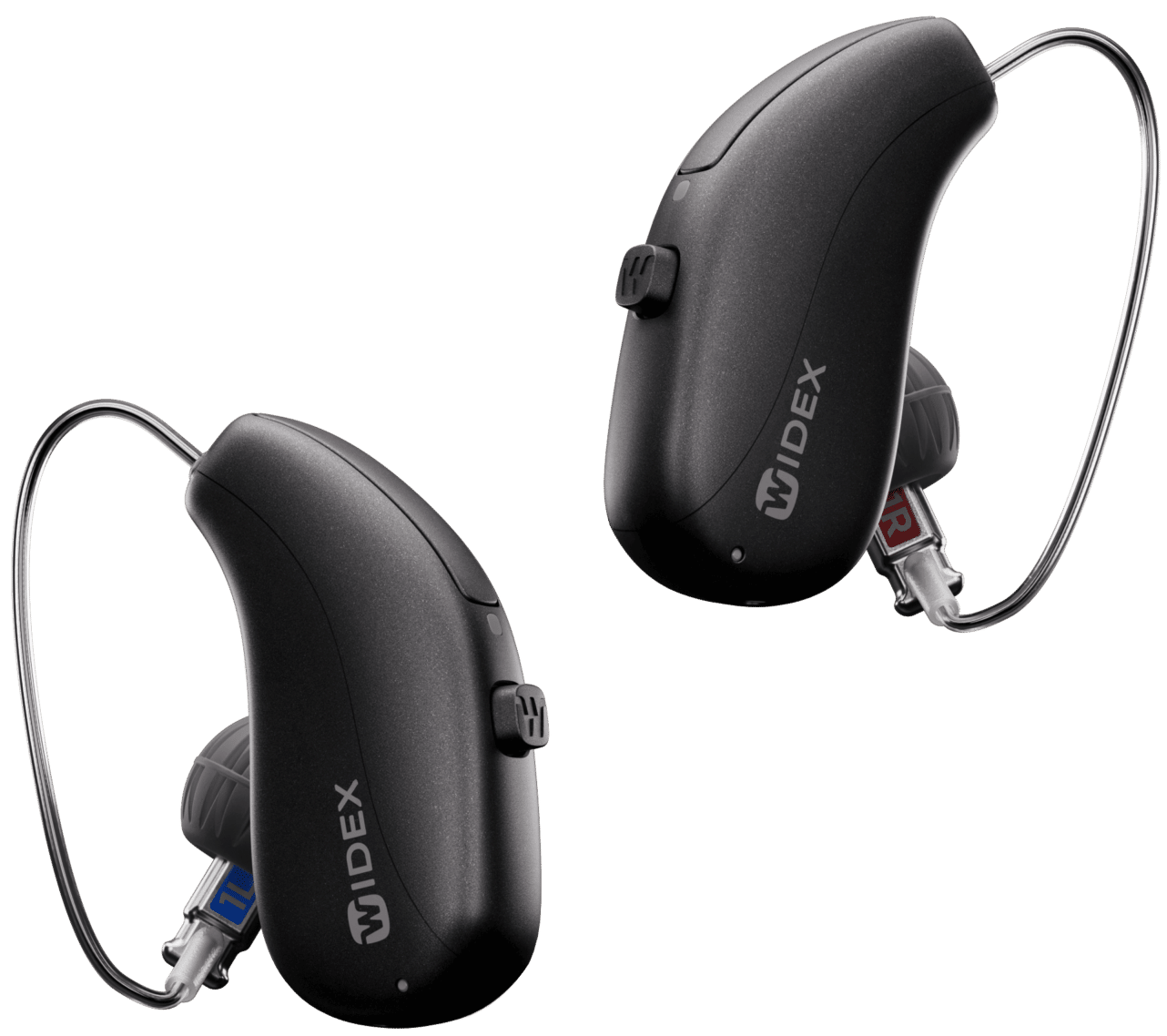
– Widex Allure 440

Premium rechargeable hearing aid known for exceptionally natural sound and low processing delay.

Widex continues to dominate among music lovers and users sensitive to artificial sound processing. The SmartRIC redesign also improves microphone positioning and battery efficiency.

4. Best for Auracast

– Starkey Omega AI 24

The Omega AI 24 is Starkey’s top-tier hearing aid technology. It includes exclusive DNN 360 directionality for the best speech understanding in noisy environments, advanced spatial awareness, and the highest level of automatic sound optimisation. This model is ideal for active users who regularly spend time in restaurants, social gatherings, meetings, or busy public places

5. Best for Brain-Led AI Processing

– Oticon Intent 1

Oticon Intent is one of the smartest hearing aids available, using 4D sensors that react to movement, listening intent, and conversation dynamics in real time. UK reviewers consistently rank it among the best premium hearing aids of 2026.

Signia Pure Charge and Go IX Signia Silk Charge & Go IX Widex Allure RIC 440 Starkey Omega AI 24 Oticon Intent 1
Style RIC (Receiver-in-Canal) CIC / Invisible-in-ear RIC Custom rechargeable miniRITE
Rechargeable Yes Yes Yes Yes Yes
Bluetooth Streaming Excellent Limited vs RIC models Excellent Excellent Excellent
Auracast / LE Audio LE Audio-ready Limited future support Expected future support Strong early support LE Audio capable
Best Strength Group conversations Discreet design Natural sound quality AI + smart features Adaptive listening
Speech in Noise Excellent Very good Good–Very Good Excellent Excellent
Music Quality Very Good Good Excellent Very Good Very Good
Visibility Low-profile Nearly invisible Moderate Invisible/custom Moderate
Battery Life Up to full day+ Full day Full day Excellent Excellent
App Experience Excellent Signia app Signia app Widex app Starkey app with wellness tools Oticon Companion
Best For Busy social environments Users wanting invisible aids Music lovers & natural sound Tech-focused users Dynamic listening environments
Hearing Loss Range Mild–Profound Mild–Moderate Mild–Profound Mild–Severe Mild–Profound
Key Differentiator RealTime Conversation Enhancement Smallest rechargeable Signia style Widex PureSound processing AI health + environmental features 4D user-intent sensors

The best overall balance for most UK users is probably the Signia Pure Charge&Go IX if speech clarity in restaurants, meetings, and group settings is the top priority. The Widex Allure 440 stands out for music and natural sound reproduction, while the Signia Silk IX is ideal if cosmetic invisibility matters most. Starkey Omega AI 24 is strongest for users wanting AI-driven wellness and future-facing connectivity, and Oticon Intent 1 excels in adaptive environmental processing using motion and conversation sensors.

The post Top 5 Hearing Aids by Feature – Bluetooth, AuraCast, and More appeared first on The Microsuction Ear Wax Removal Network.

Categories
Hearing Devices Science & Technology

Starkey Muse i2000 £1295 CIC ITC ITE RIC BTE

Starkey Muse i2000 £1295 from Hearing First brings a new generation of power and precision to hearing aid wearers, making conversation clearer in noisy environments, and music more natural.

Starkey Muse i2000 £1295 from Hearing First

Starkey Muse i2000 £1295

Look around and you’ll find that you’ll get the best price in the UK for the Starkey Muse i2000 from Hearing First.

Our new standard in ear-to-ear communication, Acuity Binaural Imaging features ultra high-definition audio to bring a more natural ear-to-ear experience to patients. Thanks to collaborative decision making, speech audibility can be preserved while simultaneously maintain comfort.

Today’s patients want to enjoy listening in every setting. Acuity Lifescape Analyzer, our most rigorously tested environmental detection system, makes it possible. Its seven sound classes handle multiple environments simultaneously and deliver our most sophisticated and accurate classification and adaptation system ever.

Designed to improve speech detection in difficult listening environments,Acuity Directionality is intelligent and personalized to continually adapt in all channels, prioritizing conversations with up to 6dB of speech enhancement, so patients can better hear and participate in conversations from all directions.

Acuity Voice runs in parallel with Acuity Lifescape Analyzer to provide optimal audibility for speech. Its two-part algorithm uses dynamic voice identification, coupled with a spectral noise control that calculates appropriate gain on a per-channel basis, for unprecedented sound quality, ease of listening, and intelligibility of speech in noise.

Our patient-preferred wireless system, 900sync, streams a caller’s voice to both ears with our new Ear-to-Ear Phone Streaming, making understanding on the phone easier than ever.

Technology in the Starkey Muse i2000

The i2000 model boasts:

  • 20 channels and 20 bands
  • Extended bandwidth up to 10kHz
  • Acuity OS
  • 900sync Wireless Technology
  • Wireless Spatial Streaming
  • Acuity Speech Optimisation – Medium
  • Music Enhancement, incorporating
    • Music Adaptation – Level 2
    • Music Memory
    • E2E Music Adaptation – Medium
  • Ear 2 Ear Acuity Binaural Imaging, incorporating
    • E2E Machine Noise Adaptation – Level 2
    • E2E Wind Noise Management – Level 2
    • E2E Directionality
    • E2E Phone Streaming
  • Environment Manager – Acuity Lifescape Analyser, incorporating
    • Music – Level 2
    • Speech – Level 2
    • Speech and Noise – Level 2
    • Machine Noise – Level 2
    • Wind – Level 2
    • Noise – Level 2
    • Quiet – Level 2
  • Directional Processing – Acuity Directionality, incorporating
    • Channels: 20
    • Dynamic – Medium
    • Directional – Medium
    • Adaptive – Medium
  • Noise Control – Acuity Voice
    • Noise Reduction Strength – Level 2
  • Whistlefree Feedback Cancellation
  • Speech Shift Frequency Lowering
  • Multiflex Tinnitus Technology
  • SurfLink Wireless Accessories

Muse, with Starkey’s all new Synergy platform is the only platform to feature quad core twin compressor technology, and the first to provide supreme precision for audibility and the ultimate optimization for listening enjoyment. Synergy, in combination with Acuity OS, our new high-definition operating system, enable speech and sounds like music to be processed uniquely for the first time ever – advancing speech audibility and listening enjoyment of music in all environments.

Synergy also incorporates 900sync Technology, our patient preferred wireless technology, delivering a pristine audio experience that is made to aid unilateral loss with our new Muse CROS System as well as improve phone understanding with our new ear-to-ear phone streaming.

Categories
Health & Wellness Hearing Devices

Starkey Muse i2400 £1595 CIC ITC ITE RIC BTE

Starkey Muse i2400 £1595 from Hearing First brings a new generation of power and precision to hearing aid wearers, making conversation clearer in noisy environments, and music more natural.

Starkey Muse i2400 £1595 from Hearing First

Starkey Muse i2400 £1595

Starkey have launched their new Muse range of hearing aids, and the best price in the UK is from Hearing First at only £1595. Available in styles ranging from the discreet, but powerful CIC (completely in the canal), ITC, and ITE custom,  to the microRIC 312, the miniBTE and the microRIC 312 AP with up to 70dB of feedback-free amplification. For clients who demand the ultimate in discretion, Starkey now offer the Soundlens Synergy, the world’s first wireless true iic (invisible in the canal) hearing aid.

Available in i2400, i2000 and i1600 technology levels, Muse is powered by Starkey’s new Synergy technology platform, which runs on a quad core architecture with up to 24 channels and twin compressors.

All models are now equipped with Starkey’s patent-pending Multiflex Tinnitus technology, which combines personalisation and flexibility to help bring relief to wearers with tinnitus.

Technology in the Starkey Muse i2400

The i2400 model boasts:

  • 24 channels and 24 bands
  • Extended bandwidth up to 10kHz
  • Acuity OS
  • 900sync Wireless Technology
  • Wireless Spatial Streaming
  • Acuity Speech Optimisation
  • Music Enhancement, incorporating
    • Music Adaptation – Level 4
    • Music Memory
    • E2E Music Adaptation – Maximum
  • Ear 2 Ear Acuity Binaural Imaging, incorporating
    • E2E Machine Noise Adaptation – Level 4
    • E2E Wind Noise Management – Level 4
    • E2E Directionality
    • E2E Phone Streaming
  • Environment Manager – Acuity Lifescape Analyser, incorporating
    • Music – Level 4
    • Speech – Level 4
    • Speech and Noise – Level 4
    • Machine Noise – Level 4
    • Wind – Level 4
    • Noise – Level 4
    • Quiet – Level 4
  • Directional Processing – Acuity Directionality, incorporating
    • Channels: 24
    • Dynamic – Maximum
    • Directional – Maximum
    • Adaptive – Maximum
  • Noise Control – Acuity Voice
    • Noise Reduction Strength – Level 4
  • Whistlefree Feedback Cancellation
  • Speech Shift Frequency Lowering
  • Multiflex Tinnitus Technology
  • SurfLink Wireless Accessories

Muse, with Starkey’s all new Synergy platform is the only platform to feature quad core twin compressor technology, and the first to provide supreme precision for audibility and the ultimate optimization for listening enjoyment. Synergy, in combination with Acuity OS, our new high-definition operating system, enable speech and sounds like music to be processed uniquely for the first time ever – advancing speech audibility and listening enjoyment of music in all environments.

Synergy also incorporates 900sync Technology, our patient preferred wireless technology, delivering a pristine audio experience that is made to aid unilateral loss with our new Muse CROS System as well as improve phone understanding with our new ear-to-ear phone streaming.

Categories
Health & Wellness Hearing Devices

Hearing Aids Demand Increased Awareness and Understanding

Last Updated on 22/04/2025 by Admin

Discover the Essential Importance of Hearing Health in Everyday Life

The importance of hearing health is often overlooked in discussions about general well-being. However, it is vital to acknowledge that one’s hearing capabilities significantly affect how they interpret their environment and interact with others. As global consciousness around numerous health concerns grows, it becomes increasingly important to grasp the serious repercussions of hearing loss on an individual’s quality of life. This issue is particularly acute in various regions around the globe, including rural areas in Africa and urban environments in Asia, where the repercussions of hearing impairment can be particularly severe. The pressing need for heightened awareness surrounding the significance of preserving hearing health, especially in the context of why hearing aids need more awareness, cannot be emphasised enough.

Investigating the Diverse Effects of Hearing Loss on Quality of Life

Envision a scenario where daily conversations fade into silence, transforming social gatherings into isolating experiences instead of enjoyable interactions. For millions globally, this distressing reality defines their lives due to hearing loss. The multifaceted effects on quality of life extend across various domains, profoundly impacting communication, social interactions, and mental well-being. Individuals facing hearing challenges often withdraw from social settings, which can result in deep feelings of isolation and depression. In cultures where familial and community connections are essential, such as in Latin America and Southeast Asia, this sense of disconnection can become particularly acute, intensifying emotional hardships.

Extensive research has established a strong link between untreated hearing loss and significant declines in mental health. Studies published in respected international journals indicate that those experiencing hearing difficulties face an increased risk of suffering from anxiety and depression. Compounding these challenges is the societal stigma associated with hearing aids, as many view their usage as a signal of aging or weakness. This misconception establishes a harmful cycle: hesitance to seek necessary assistance results in deteriorating conditions, further exacerbating mental and emotional health issues.

It is crucial to educate communities about the psychological and societal repercussions of hearing loss. Initiatives that share personal stories can generate empathy and foster understanding, showcasing that seeking help is not an indication of frailty but rather a proactive choice aimed at enhancing one’s quality of life. By promoting candid discussions about the realities of hearing health, we can collaboratively work towards dismantling the stigma associated with hearing aids and inspire individuals to pursue the support they rightfully deserve.

Uncovering the Benefits of Early Detection of Hearing Loss

The benefits associated with the early identification of hearing loss are substantial, serving as a critical intervention that can significantly improve individual outcomes. Promptly recognising hearing difficulties enables individuals to adapt effectively and utilise hearing aids, preventing further decline in auditory function. In nations such as Japan, where advanced audiological screening programmes are in place, early detection allows for better integration of hearing aid technology, ultimately enhancing communication capabilities in both children and adults.

Moreover, research has demonstrated that individuals who address their hearing loss proactively tend to experience improved professional outcomes. In diverse workplaces across Europe and North America, employees using hearing aids report increased job satisfaction and performance, often leading to career advancement opportunities. This observation highlights the essential need for comprehensive screening programmes and awareness initiatives that encourage individuals to seek assistance sooner rather than later.

Raising awareness about the critical importance of early detection can pave the way for comprehensive public health strategies, including routine hearing checks in educational institutions and workplaces. By fostering an environment that prioritises hearing health, communities can significantly enhance overall well-being and empower individuals to take control of their auditory health.

Understanding the Long-Term Health Risks of Neglected Hearing Health

Neglecting the importance of hearing health can result in severe long-term health consequences that extend beyond mere communication barriers. Recent studies increasingly reveal a strong association between untreated hearing loss and cognitive deterioration, including an elevated risk of developing dementia. Reports from reputable entities such as the World Health Organization indicate that individuals with significant hearing impairment are up to five times more likely to suffer cognitive decline compared to their hearing counterparts.

This concerning trend underscores the urgent necessity to amplify awareness about why hearing aids need more awareness. As people age, the risks connected to untreated hearing loss become increasingly pronounced. In numerous cultures, particularly within Western societies, aging is often mistakenly linked with unavoidable decline. Challenging these misconceptions through education and advocacy can empower older adults to seek help sooner, potentially mitigating risks related to cognitive health and enhancing overall quality of life.

The ramifications of untreated hearing loss also extend into economic domains. Countries facing an aging population must recognise that investing in hearing health can yield broader societal benefits, including reduced healthcare costs linked to cognitive decline. By prioritising awareness and access to hearing aids, nations can cultivate healthier, more engaged communities and improve the overall quality of life for their citizens.

Identifying and Overcoming the Challenges to Hearing Aid Adoption

Despite significant technological advancements and the undeniable advantages of hearing aids, numerous obstacles impede their widespread acceptance. Understanding these barriers is imperative when addressing why hearing aids need more awareness, as it reveals systemic issues that must be confronted to improve global hearing health outcomes.

Tackling Cost and Accessibility Issues in Acquiring Hearing Aids

One of the most considerable obstacles to adopting hearing aids is the steep cost associated with these essential devices. In many developing nations, the price of hearing aids can be exorbitant, often rendering them unaffordable for average citizens. For example, in regions of South America and Africa, families may struggle to afford basic necessities, let alone advanced hearing technology. This economic inequality results in a significant portion of the population remaining untreated, intensifying issues related to communication and social inclusion.

Even in wealthier countries, the high costs of hearing aids remain a substantial barrier. Many health insurance plans do not cover the expenses of hearing aids, which can range from hundreds to thousands of pounds. This lack of financial support creates a scenario where individuals may prioritise other health concerns over their hearing health, perpetuating a cycle of neglect and isolation.

To address this challenge, certain organisations are advocating for policy changes that would mandate insurance coverage for hearing aids. Additionally, non-profit initiatives are emerging to provide affordable or subsidised hearing aids to underserved populations. By illuminating these efforts and the transformative potential of hearing health, we can begin to dismantle the financial barriers hindering adoption and promote accessibility for all.

Challenging Stigma and Misunderstandings Surrounding Hearing Aids

The stigma associated with hearing aids is a formidable barrier that prevents many individuals from pursuing the help they require. Globally, there exists a widespread misconception that wearing hearing aids signifies weakness or aging, resulting in feelings of shame and embarrassment. In various cultures, particularly those in Asia and the Middle East, the focus on youth and vitality can exacerbate these feelings, causing individuals to delay seeking help.

Public perception plays a vital role in shaping how hearing aids are viewed and accepted. Addressing these negative perceptions through awareness campaigns is essential in reducing stigma. Personal testimonials from users who have experienced transformative changes in their lives after obtaining hearing aids can be particularly effective in breaking down barriers. These narratives can humanise the issue and demonstrate that seeking help is a sign of strength and resilience, not weakness.

Communities must also strive to normalise the use of hearing aids through education and advocacy initiatives. By creating an environment where hearing aids are viewed as empowering tools rather than sources of embarrassment, we can encourage more individuals to pursue the assistance they require and deserve.

Bridging the Knowledge Gap Concerning Hearing Aids

In today’s digital age, the vast array of information available can be a double-edged sword. While many valuable resources exist, numerous individuals remain uninformed about the latest advancements in hearing aid technology and its associated benefits. This lack of knowledge is particularly pronounced in less affluent regions, where access to information about hearing health may be restricted.

Educational initiatives focused on the latest research and innovations in hearing aids can effectively bridge this knowledge gap. Engaging community organisations or healthcare providers to host informative workshops can empower individuals to learn about their options and make informed choices. Moreover, leveraging technology, such as social media platforms, can facilitate rapid and effective dissemination of awareness.

As more individuals become educated about the capabilities of modern hearing aids, which include features such as Bluetooth connectivity and noise cancellation, the stigma surrounding their use may gradually fade. This educational approach will be critical in promoting acceptance and ultimately increasing adoption rates, resulting in improved hearing health within communities.

Enhancing Professional Support in Hearing Health

In numerous regions worldwide, there exists a significant shortage of qualified audiologists and hearing specialists. This lack of professional support creates substantial hurdles for individuals seeking assistance with their hearing health. For instance, in rural areas of North America and Africa, access to hearing health professionals may be limited, forcing individuals to travel long distances for appointments.

This restricted access can delay the fitting and ongoing care necessary for effective hearing aid use. For many individuals, the pathway to effective hearing health starts with an audiological assessment, and without easy access to qualified professionals, many may remain untreated, perpetuating the cycle of hearing loss and isolation.

Advocating for increased funding and training for hearing health professionals can address this issue on a larger scale. Efforts to enhance telehealth services can also bridge the gap, allowing individuals in remote areas to receive care without the burden of travel. By expanding professional support networks, we can facilitate a smoother process for adopting hearing aids and improve overall access to hearing health services.

Simplifying the Technological Complexity of Hearing Aids

As technology continues to advance, modern hearing aids have evolved into increasingly sophisticated devices, offering features tailored to a variety of user needs. However, the complexity of these devices can be daunting for individuals who may not be technologically savvy. Features like smartphone integration and app-based controls, while beneficial, can deter potential users who feel overwhelmed by advanced technology.

To promote adoption, it is crucial to simplify the user experience associated with hearing aids. Manufacturers play an essential role in this process by creating intuitive interfaces and providing comprehensive user manuals and support services. Educational programmes that teach users how to navigate new technologies can empower individuals, instilling confidence in their ability to use hearing aids effectively.

Furthermore, community outreach initiatives that offer hands-on demonstrations of hearing aids can demystify the technology. By presenting hearing aids as user-friendly and accessible tools, we can encourage more individuals to embrace these solutions and ultimately enhance their quality of life.

Investigating Technological Innovations in Hearing Aids

The realm of hearing aids has experienced a remarkable transformation over the past decade, driven by technological advancements that enhance user experience and accessibility. Understanding these innovations is essential in promoting why hearing aids need more awareness, as they illustrate how modern solutions can significantly improve the lives of those dealing with hearing loss.

Revealing Modern Features and Their Advantages

The contemporary hearing aid epitomises technological innovation, equipped with features that substantially enhance the user experience. Innovations such as Bluetooth connectivity enable users to connect their hearing aids to smartphones, televisions, and other devices, facilitating seamless communication. For example, enjoying music or participating in phone calls becomes a more immersive experience, as sound is transmitted directly to the hearing aids.

In addition to enhanced connectivity, advancements in noise reduction technology have greatly improved the functionality of hearing aids. Users can now enjoy a more natural listening experience by filtering out background noise, which is particularly beneficial in bustling environments such as restaurants or social gatherings. The ability to adjust settings in real-time through mobile applications offers further customisation, allowing individuals to tailor their hearing experience to suit their surroundings.

The global implications of these innovations are significant. As more individuals become aware of the advanced features available, the stigma surrounding hearing aids may gradually diminish, leading to increased adoption rates. By showcasing the technological benefits of modern hearing aids, public health campaigns can encourage individuals to seek assistance, ultimately enhancing their overall quality of life.

Prioritising Customisation and Comfort in Hearing Aid Design

Customisation is at the forefront of contemporary hearing aid design, addressing the diverse needs and preferences of users across the globe. Manufacturers are increasingly focused on creating devices that provide comfortable and personalised fits. Custom moulds and adjustable settings ensure that users can wear their hearing aids for extended periods without discomfort.

In regions where cultural factors influence perceptions of hearing aids, the emphasis on comfort cannot be overstated. For instance, in India and other countries where traditional attire may conflict with conventional hearing aid designs, advancements in aesthetic appeal can foster acceptance and encourage use. Sleek, discreet designs that blend with personal style can help normalise hearing aids, making them more appealing to individuals of all ages.

Furthermore, advancements in materials have led to the creation of more durable hearing aids capable of withstanding various environmental conditions. This durability is particularly crucial in regions characterised by extreme climates, ensuring that users can rely on their devices without frequent replacements.

By emphasising the customisation and comfort of modern hearing aids, awareness campaigns can effectively address the concerns of potential users, motivating them to embrace these life-altering devices.

Improving Accessibility in Hearing Aid Distribution

The remarkable advancements in technology have also resulted in increased accessibility of hearing aids for a wider audience. Innovative solutions are emerging that aim to bridge the gap between affordability and quality, ensuring that individuals from various socioeconomic backgrounds can access necessary treatment.

In recent years, various initiatives have been launched in multiple countries to provide subsidised or low-cost hearing aids. Non-profit organisations often play a vital role in this effort, working diligently to distribute devices to underserved populations. For instance, in parts of Africa and Asia, mobile clinics are established to reach remote communities, providing free hearing assessments and hearing aids to those in need.

Moreover, advancements in telehealth services are expanding access to audiological care. Through virtual consultations, individuals can receive assessments and support without needing physical appointments, making it easier for those in rural or underserved areas to access care.

By highlighting these improvements in accessibility, awareness campaigns can inspire hope and action among those who previously felt excluded from hearing health solutions. As more individuals become aware of affordable options, the landscape of hearing aid adoption may shift dramatically, resulting in enhanced community health outcomes.

Integrating Hearing Aids with Smart Devices for a Superior Experience

The integration of hearing aids with smart devices signifies a significant advancement in personal technology, greatly enhancing the user experience and promoting seamless connectivity. With the ability to connect to smartphones, users can effortlessly adjust settings, stream audio, and manage their hearing aid preferences at their fingertips.

This integration is particularly advantageous in today’s fast-paced world, where individuals heavily rely on technology for daily tasks. For example, users can receive phone calls directly in their hearing aids, eliminating the need for additional accessories. This level of convenience can be transformative for individuals with hearing loss, empowering them to engage more fully in conversations and activities.

As smart home technology continues to evolve, the potential for further integration with hearing aids is vast. Imagine a situation where users can control their home environment—adjusting the volume of their television or filtering out background noise from appliances—simply through their hearing aids. This seamless blend of technology fosters greater independence and control for individuals with hearing loss.

Raising awareness about the integration of hearing aids with smart devices is essential in encouraging adoption. By showcasing the convenience and enhanced quality of life that these advancements offer, we can inspire more individuals to seek assistance and embrace modern solutions.

Transforming Hearing Aids with Advanced Signal Processing Techniques

Advanced signal processing methods have revolutionised the world of hearing aids, significantly enhancing sound quality and speech comprehension. State-of-the-art algorithms can distinguish between different sound frequencies, ensuring that users experience rich, clear audio in a variety of environments.

This technological leap is particularly beneficial in today’s noisy world, where users frequently find themselves in challenging auditory situations. For example, in bustling urban centres or crowded social settings, modern hearing aids equipped with advanced signal processing can effectively filter out distractions, allowing users to focus on conversations without being overwhelmed by background noise.

Moreover, this enhanced sound processing is crucial for individuals with diverse types of hearing loss. Personalised settings can be calibrated based on individual needs, providing tailored solutions that improve communication experiences. For instance, children who require hearing aids for educational purposes can benefit from features that prioritise speech frequency, ensuring they can fully engage in classroom activities.

As awareness of these technological advancements grows, so too does the potential for increased adoption of hearing aids. Educational campaigns that highlight the significance of advanced signal processing can empower individuals to seek help and experience the transformative effects of modern hearing aids.

Promoting Education and Advocacy for Hearing Health

Education and advocacy are fundamental in fostering awareness regarding hearing health and the critical importance of hearing aids. Without a dedicated effort to inform the public, many individuals may remain unaware of their options, leading to further neglect of hearing health issues.

Launching Public Awareness Campaigns for Hearing Health

Public awareness campaigns serve as powerful instruments in enhancing understanding and reducing the stigma associated with hearing aids. These initiatives can take various forms, including social media campaigns, community events, and educational workshops. By leveraging diverse platforms, communities can engage a wide audience and inspire meaningful discussions about the significance of hearing health.

Successful campaigns often rely on personal stories from individuals who have benefitted from using hearing aids. These narratives can humanise the issue and encourage others to seek assistance. For example, highlighting the experiences of young adults who overcame educational challenges due to hearing loss can motivate others facing similar obstacles.

Additionally, collaborating with local health organisations can amplify the reach of awareness campaigns. Health fairs, school programmes, and community outreach initiatives can provide valuable information regarding hearing health, ensuring that individuals receive the support they need.

As public awareness grows, so too does the likelihood that individuals will pursue assistance for hearing loss. Presenting hearing aids as tools for empowerment rather than symbols of weakness can significantly shift societal attitudes, encouraging more people to take action and prioritise their hearing health.

Advocating for Policy Reforms to Enhance Access to Hearing Healthcare

Advocacy plays a crucial role in driving policy changes that improve access to hearing healthcare and support. By rallying community members and stakeholders, advocates can work towards implementing policies that prioritise hearing health initiatives.

One critical focus for advocacy efforts is to push for insurance coverage of hearing aids. Many individuals face financial barriers that prevent them from accessing necessary treatments, making it imperative to advocate for changes in healthcare policy. Grassroots movements and partnerships with non-profit organisations can amplify these voices, ensuring that hearing health remains a priority on the policy agenda.

Moreover, advocating for increased funding for hearing health programmes can yield lasting impacts. By securing funding for research, education, and community outreach initiatives, advocates can help establish a more comprehensive support system for individuals with hearing loss.

As the policy landscape evolves, ongoing advocacy will be essential in ensuring that hearing health receives the attention and resources it rightfully deserves.

Establishing Community Support Networks for Hearing Aid Users

Community support networks are vital in providing encouragement and practical assistance to hearing aid users. These networks can take various forms, including local support groups, online forums, and community organisations focused on hearing health.

By connecting individuals with shared experiences, these networks cultivate a sense of belonging and understanding. For example, individuals who have recently adopted hearing aids can gain valuable insights from the experiences of others, learning tips and tricks to navigate their new reality.

Additionally, community support networks can serve as invaluable resources for education and information. By hosting workshops and events, organisations can equip individuals with insights into the latest advancements in hearing aid technology and how to maximise the benefits of their devices.

Encouraging the formation and growth of community support networks is crucial in combating the stigma surrounding hearing aids. As individuals share their stories and support one another, a collective consciousness surrounding hearing health can emerge, inspiring more people to seek assistance and prioritise their hearing needs.

Assessing the Impact of Hearing Loss Across Different Age Groups

Hearing loss impacts individuals across all age demographics; however, the consequences vary significantly based on age. Understanding these differences is essential when discussing why hearing aids need more awareness, as it highlights the unique challenges faced by specific groups.

Tackling Hearing Loss in Children and Young Adults

Hearing loss in children and young adults can have profound effects on education and development. Early intervention is crucial in ensuring that children can flourish in academic settings. Studies have shown that children with untreated hearing loss may struggle with communication skills, leading to difficulties in learning and socialisation.

In many regions, including Africa and Asia, access to hearing health services for children can be limited. This lack of access exacerbates educational challenges, as children remain unaware of their hearing difficulties. By prioritising awareness and access to regular hearing screenings in schools, communities can work to identify and support children with hearing loss from an early age.

Additionally, public campaigns aimed at parents and educators are essential in fostering understanding of the impacts of hearing loss. By educating caregivers about the signs and symptoms of hearing difficulties, we can create more supportive environments for children, ensuring they receive the assistance they need to thrive both academically and socially.

Recognising the Effects of Hearing Loss on the Working-Age Population

The impact of hearing loss on the working-age population is substantial, affecting job performance and career advancement. Individuals with untreated hearing loss may encounter challenges in communication, leading to misunderstandings and decreased productivity. In competitive job markets, such as those prevalent in Europe and North America, these challenges can impede career progression and professional growth.

Employers must recognise the significance of accommodating employees with hearing loss. By fostering inclusive workplaces that prioritise communication and accessibility, organisations can enhance employee satisfaction and retention. This not only improves workplace culture but also positively influences overall productivity and morale.

Raising awareness about the economic implications of hearing loss among the working-age population is vital. By highlighting the potential benefits of intervention, including improved job performance and reduced turnover rates, we can encourage employers to invest in hearing health initiatives that support their workforce and enhance overall productivity.

Promoting Awareness of Hearing Loss Among Elderly Individuals

Older adults are particularly susceptible to hearing loss, which can significantly affect their quality of life and independence. As individuals age, the likelihood of experiencing hearing difficulties increases, making it crucial to prioritise awareness in this demographic.

Hearing loss in elderly individuals can lead to isolation and cognitive decline, as previously discussed. Providing education and resources tailored to this age group is essential in encouraging individuals to seek help. For example, community programmes that focus on the benefits of hearing aids can empower older adults to take action and improve their quality of life.

Additionally, family members and caregivers play a pivotal role in supporting older individuals with hearing loss. By cultivating a culture of understanding and open communication, families can encourage their loved ones to seek assistance and embrace hearing aids, ultimately enhancing their overall well-being and independence.

Crafting Effective Strategies for Enhancing Hearing Aid Awareness

Boosting awareness of hearing aids necessitates a multifaceted approach that engages various stakeholders, including healthcare providers, community organisations, and individuals. By implementing effective strategies, we can promote a greater understanding of hearing health and the importance of seeking help.

Strengthening Collaboration with Healthcare Providers

Collaboration with healthcare providers is essential in enhancing patient education and referral processes. Doctors and audiologists play a pivotal role in identifying individuals who may benefit from hearing aids. However, many healthcare professionals lack the training and resources to address hearing health effectively.

Integrating discussions about hearing health into routine medical visits can help normalise conversations surrounding hearing loss. By equipping healthcare providers with the knowledge and resources to discuss hearing health with their patients, we can facilitate earlier detection and intervention, ultimately improving patient outcomes.

Additionally, creating partnerships between audiology clinics and primary care providers can ensure that patients receive comprehensive care. By establishing referral networks, individuals can access the support they need without navigating complex healthcare systems alone, thereby encouraging more individuals to seek the necessary help.

Utilising Media and Technology for Increased Awareness

Leveraging media platforms can be a powerful approach to disseminating information and normalising the use of hearing aids. Social media campaigns, podcasts, and online articles can provide valuable insights into hearing health while fostering discussions around the importance of seeking assistance.

By utilising a diverse range of media formats, organisations can reach a broader audience and engage individuals in meaningful conversations. For instance, collaborating with influencers who have personal experiences with hearing loss can amplify messages and inspire others to seek help.

Moreover, creating engaging digital content that showcases the benefits of modern hearing aids can demystify the technology and foster acceptance. By presenting hearing aids as essential tools for empowerment rather than stigmatized devices, we can encourage more individuals to consider their options and prioritise their hearing health.

Implementing Engaging Educational Programs on Hearing Health

Educational programmes that provide interactive learning experiences can significantly impact awareness and understanding of hearing health. Workshops and seminars can offer valuable insights into the latest advancements in hearing aid technology while fostering an atmosphere of support and learning.

These programmes can be tailored to various audiences, including school children, parents, and senior citizens. By addressing the unique needs of different demographics, we can create comprehensive educational initiatives that empower individuals to take control of their hearing health.

Furthermore, incorporating interactive elements, such as demonstrations of hearing aids and opportunities for attendees to ask questions, can enhance the learning experience. By fostering an environment of curiosity and engagement, we can encourage more individuals to explore their options and seek necessary assistance.

Conducting Community Outreach Initiatives for Hearing Health Awareness

Organising community outreach initiatives can raise awareness and reduce the stigma associated with hearing aids. Events such as health fairs, free hearing screenings, and informational workshops can provide valuable resources to individuals in need of assistance.

Engaging local organisations and businesses in these initiatives can amplify their impact. For instance, partnering with schools, libraries, and community centres can ensure that outreach efforts reach diverse populations and effectively disseminate information about hearing health.

Additionally, leveraging local media to promote these events can raise awareness and encourage participation. By creating a supportive community atmosphere centred around hearing health, we can foster acceptance and understanding, ultimately leading to increased awareness and adoption of hearing aids.

Examining the Economic Impact of Hearing Loss

The economic implications of untreated hearing loss extend far beyond individual health, affecting healthcare costs, workforce productivity, and consumer spending. By exploring these impacts, we can better understand the importance of raising awareness about hearing health and the necessity for timely intervention.

Investigating the Financial Burden of Healthcare Costs

Untreated hearing loss can lead to increased healthcare expenses due to associated health issues. Individuals with hearing difficulties often face additional health problems, including mental health disorders and cognitive decline, which can result in higher healthcare costs over time.

For instance, a study conducted in the United States found that untreated hearing loss can lead to an estimated $22,000 in additional healthcare costs per individual over a decade. These financial burdens not only affect individuals and families but also place strain on public health systems, emphasising the need for proactive measures.

Raising awareness about the long-term healthcare costs associated with untreated hearing loss is crucial in encouraging individuals to seek help. By highlighting the potential savings linked with early intervention, we can foster a sense of urgency surrounding hearing health and motivate individuals to prioritise their auditory well-being.

Understanding Productivity Losses Related to Hearing Impairment

Hearing loss can significantly diminish workforce productivity, impacting economic output on a broad scale. Individuals with untreated hearing difficulties may struggle in professional environments, leading to decreased job performance and engagement.

In competitive job markets, this loss of productivity can have far-reaching consequences. A study conducted in the United Kingdom estimated that untreated hearing loss costs the economy approximately £30 billion annually due to lost productivity. These statistics underscore the importance of addressing hearing health as a critical component of economic stability and workforce effectiveness.

By promoting awareness about the impact of hearing loss on workplace performance, employers can be encouraged to support hearing health initiatives. Implementing accommodations and providing access to hearing aids can foster a more inclusive environment, ultimately benefiting both employees and employers alike.

Recognising the Economic Benefits of Hearing Health Intervention

Investing in hearing health can yield substantial economic benefits for individuals and society as a whole. Research has demonstrated that individuals who invest in hearing aids experience improved quality of life and enhanced productivity, leading to potential economic gains.

For instance, studies indicate that individuals with treated hearing loss can increase their earning potential by as much as 50%. This increased productivity can have lasting effects on the economy, promoting growth and stability across sectors and communities.

Advocating for investment in hearing health initiatives can lead to a more productive workforce and reduced healthcare costs associated with untreated hearing loss. By highlighting the economic advantages of timely intervention, we can encourage governments and organisations to prioritise hearing health in their agendas.

Assessing the Effects of Hearing Loss on Social Services

Untreated hearing loss increases the demand for social services, straining public resources and budgets. Individuals who struggle with hearing loss may require additional support, including mental health services and social assistance, leading to increased costs for social programmes.

In many countries, social service systems are already under pressure due to various factors, including aging populations and rising healthcare costs. The additional burden of untreated hearing loss can exacerbate these challenges, making it crucial to prioritise awareness and intervention.

By promoting proactive approaches to hearing health, we can alleviate pressure on social services and foster a more sustainable system. Encouraging individuals to seek help for hearing loss can lead to a more self-sufficient population, ultimately benefiting society as a whole and enhancing community resilience.

Exploring the Impact of Hearing Loss on Consumer Spending Patterns

Individuals with hearing loss may alter their spending habits, significantly affecting retail and service sectors. Those who struggle with communication may be less inclined to participate in social activities, leading to reduced spending on entertainment, dining, and travel.

In regions where tourism serves as a vital economic driver, the effects of untreated hearing loss can be particularly pronounced. By promoting awareness and encouraging individuals to seek assistance, we can foster greater engagement in social activities, ultimately benefiting local economies and revitalising community interactions.

Highlighting the potential economic impacts of untreated hearing loss can persuade stakeholders across various sectors to invest in awareness campaigns and improve access to hearing health resources. By addressing these issues comprehensively, we can contribute to healthier and more vibrant communities.

Frequently Asked Questions About Hearing Health

What are the common signs of hearing loss?

Common signs of hearing loss include difficulty understanding conversations, frequently asking others to repeat themselves, and needing to increase the volume on devices.

How do hearing aids work?

Hearing aids amplify sound, making it easier for individuals with hearing loss to hear and understand speech in various environments, significantly improving their quality of life.

Can hearing aids prevent hearing loss?

While hearing aids cannot prevent hearing loss, they can significantly improve the quality of life for individuals experiencing hearing difficulties by enhancing their ability to communicate and engage socially.

Are there different types of hearing aids?

Yes, there are several types of hearing aids, including behind-the-ear (BTE), in-the-ear (ITE), and completely-in-canal (CIC) models, each designed to suit different needs and preferences based on the user’s lifestyle and degree of hearing loss.

How can I choose the right hearing aid?

Choosing the right hearing aid involves consulting with an audiologist, who can assess your hearing loss and recommend the best options based on your unique individual needs and preferences.

Are hearing aids covered by insurance?

Coverage for hearing aids varies by insurance plan, with some plans providing partial coverage while others may not cover them at all. It’s essential to check with your provider for specifics regarding your benefits.

How long do hearing aids last?

On average, hearing aids last between three to seven years, depending on usage, care, and the advancements in technology, with regular maintenance and proper handling contributing to their longevity.

Can children use hearing aids?

Yes, children can indeed use hearing aids, and early intervention is crucial for their development and communication skills, ensuring they can thrive in educational settings and social interactions.

What is the cost of hearing aids?

The cost of hearing aids can vary widely depending on the type, features, and technology, with prices ranging from hundreds to several thousand pounds, making it important to explore options for financial assistance.

How can I raise awareness about hearing health?

You can raise awareness about hearing health by sharing information within your community, participating in local events, and supporting organisations that focus on hearing health initiatives, helping to spread the message and encourage others to seek assistance.

Explore our world on X!

The post Hearing Aids: A Universal Call for Greater Awareness appeared first on The Microsuction Ear Wax Removal Network.

Originally posted 2025-04-23 03:12:28.

The post Hearing Aids Demand Increased Awareness and Understanding appeared first on Healthcare Marketing Service.
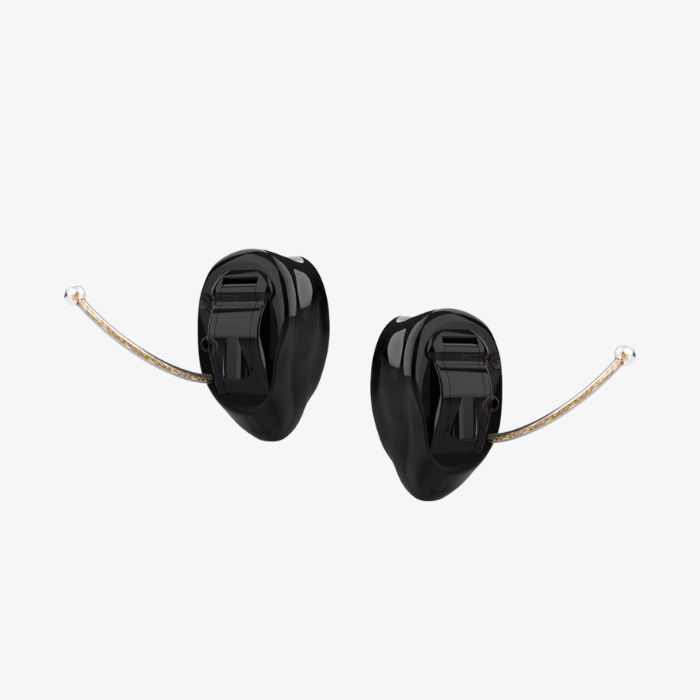
Categories
Health & Wellness Hearing Devices

Oticon Intent 4 RIC / BTE

Last Updated on 8th May 2026 by Dane Lozano

The Oticon Intent 4 is the entry-level technology model in the Oticon Intent hearing aid family, designed to deliver clear everyday hearing support, natural sound quality, and modern connectivity features in a discreet rechargeable design. Powered by Oticon’s Sirius processing platform and BrainHearing technology, Intent 4 helps users hear conversations more clearly while preserving awareness of the surrounding environment.

Designed for users who spend most of their time in quiet to moderately noisy environments, Oticon Intent 4 combines intelligent sound processing, Bluetooth streaming, rechargeability, and automatic environmental adjustments in a comfortable miniRITE or miniBTE design.

Price: From approximately 1,295.00 per aid depending on fitting package and accessories.


What Is the Oticon Intent 4?

The Oticon Intent 4 is the most accessible technology level within the Oticon Intent range. It uses Oticon’s Sirius processing chip and Deep Neural Network (DNN) technology to help improve speech understanding and listening comfort in everyday situations.

While higher Intent levels include more advanced environmental adaptation and stronger noise reduction, Intent 4 focuses on providing dependable hearing support for quieter lifestyles and less demanding listening environments.

Intent 4 is available in:

  • miniRITE rechargeable styles
  • miniBTE rechargeable styles

Both designs include Bluetooth streaming, rechargeable batteries, and compatibility with Oticon accessories and apps.


Key Features of Oticon Intent 4

BrainHearing Technology

Oticon’s BrainHearing approach supports the brain’s natural way of processing sound, helping users hear conversations more comfortably and naturally.

Sirius Processing Chip

The Sirius chip powers Intent 4’s sound processing and environmental adaptation system for improved speech understanding in everyday listening situations.

Deep Neural Network Sound Processing

Oticon’s DNN technology has been trained on millions of real-world sounds to help improve speech clarity while maintaining balanced environmental awareness.

Rechargeable miniRITE & miniBTE Designs

Intent 4 is available in discreet rechargeable styles with comfortable all-day wear and dependable battery life.

Bluetooth Streaming & Connectivity

Users can stream calls, music, television audio, and media directly from compatible smartphones and devices.

Auracast Compatibility

Intent 4 supports next-generation Auracast technology for public wireless audio broadcasting.

Oticon Companion App

The Oticon Companion app allows users to personalise settings, adjust volume, change programs, and access support features remotely.

Water & Dust Resistance

Intent hearing aids are IP68-rated for strong protection against dust and moisture exposure.


Benefits of Oticon Intent 4 Hearing Aids

Clear Everyday Conversations

Intent 4 helps users hear speech more clearly during family conversations, television viewing, shopping trips, and daily activities.

Natural Sound Quality

Oticon’s BrainHearing platform focuses on balanced environmental sound awareness rather than overly aggressive sound filtering.

Comfortable Daily Listening

Automatic sound adjustments help reduce listening fatigue throughout the day.

Modern Streaming Features

Bluetooth streaming and Auracast support allow users to enjoy calls, music, and media directly through their hearing aids.

Rechargeable Convenience

The rechargeable battery system removes the need for disposable batteries while providing reliable all-day hearing support.

Accessible Premium Technology

Intent 4 offers many of Oticon’s modern premium platform features at a more affordable technology level.


Real User Feedback

Some users report that Oticon Intent 4 provides excellent value for users who mainly live in quieter environments and do not frequently struggle in very noisy situations. Others note that the differences between Intent 4 and Intent 3 may be relatively small for quieter lifestyles, while larger improvements are often noticed when moving to Intent 1 or 2.

A few users mention that personalised fine-tuning with an audiologist is important during the adjustment period, especially for first-time hearing aid wearers.


Who Is the Oticon Intent 4 Best For?

Oticon Intent 4 may be ideal for:

  • First-time hearing aid users
  • Adults with quiet to moderately active lifestyles
  • Users wanting rechargeable Bluetooth hearing aids
  • People seeking affordable AI-assisted hearing technology
  • Individuals wanting natural sound quality and everyday speech support

Oticon Intent 4 Summary

The Oticon Intent 4 combines BrainHearing technology, AI-powered sound processing, rechargeable convenience, and Bluetooth connectivity in a discreet modern hearing aid design. Designed for users wanting dependable everyday hearing support at a more accessible price point, Intent 4 offers natural sound quality, clear conversations, and modern wireless features for daily life.

Categories
Health & Wellness Hearing Devices

Oticon Intent 3 RIC / BTE

Last Updated on 8th May 2026 by Dane Lozano

The Oticon Intent 3 is a mid-tier model in the Oticon Intent hearing aid range, designed to deliver strong everyday speech clarity, natural sound awareness, and personalised AI-assisted hearing support. Using Oticon’s advanced 4D Sensor technology and BrainHearing philosophy, Intent 3 adapts automatically to the user’s movements, listening focus, and sound environment to provide a more comfortable and natural hearing experience.

Designed for users who want modern hearing technology with excellent daily performance, Intent 3 combines intelligent sound processing, rechargeable convenience, Bluetooth streaming, and automatic environmental adaptation in a discreet miniRITE design.

Price: From approximately 1,595.00 per aid depending on fitting package and accessories.


What Is the Oticon Intent 3?

The Oticon Intent 3 is the third technology level in the Oticon Intent family. It uses AI-powered sound processing and 4D Sensor technology to monitor:

  • Head movement
  • Body movement
  • Conversation activity
  • Environmental sound conditions

This allows the hearing aids to automatically optimise hearing support based on the wearer’s surroundings and listening focus throughout the day.

Intent 3 is designed to provide reliable speech clarity and listening comfort in everyday environments such as home settings, shops, workplaces, cafés, and small social gatherings.


Key Features of Oticon Intent 3

4D Sensor Technology

Oticon Intent 3 uses intelligent sensors to monitor user movement and sound environments, helping optimise speech understanding and listening comfort automatically.

BrainHearing Technology

Oticon’s BrainHearing platform supports natural sound processing to help reduce listening effort and maintain environmental awareness.

AI Sound Processing

Intent 3 uses deep neural network processing trained on real-world sounds to improve speech clarity while maintaining balanced sound quality.

Everyday Speech Enhancement

The Intent 3 level provides reliable speech enhancement and noise management for quiet to moderately noisy environments.

Rechargeable miniRITE Design

The lightweight rechargeable miniRITE design offers discreet appearance, comfortable daily wear, and dependable battery performance.

Bluetooth LE Audio & Auracast

Users can stream calls, music, television audio, and media directly from compatible devices with support for next-generation Auracast technology.

Hands-Free Calling

Compatible smartphones support hands-free phone calls directly through the hearing aids.

Oticon Companion App

The Oticon Companion app allows users to adjust settings, personalise sound programs, and manage hearing aid controls conveniently.


Benefits of Oticon Intent 3 Hearing Aids

Improved Everyday Conversations

Intent 3 helps users hear speech more clearly in daily listening situations including family conversations, work meetings, and public spaces.

Intelligent Automatic Adjustments

The 4D Sensor system adapts hearing support automatically as environments and conversations change throughout the day.

Reduced Listening Effort

BrainHearing technology helps deliver sound more naturally to reduce mental fatigue during longer conversations.

Natural Sound Awareness

Intent 3 balances speech and surrounding sounds to avoid an overly isolated or artificial listening experience.

Reliable Streaming & Connectivity

Bluetooth LE Audio and Auracast provide modern streaming support for calls, media, and wireless audio broadcasting.

Comfortable Daily Wear

The discreet miniRITE design supports comfortable long-term use for active everyday lifestyles.


Real User Feedback

Many users praise Oticon Intent hearing aids for their smooth sound quality and automatic environmental adjustments. Some users report that Intent 3 provides strong performance for daily listening needs while remaining more affordable than the higher-tier Intent 1 and Intent 2 models.

Users often appreciate the balance between speech clarity, environmental awareness, and rechargeable convenience, especially for moderate listening demands.


Who Is the Oticon Intent 3 Best For?

Oticon Intent 3 may be ideal for:

  • Users wanting advanced hearing technology at a more accessible price
  • Adults spending most time in quiet to moderately noisy environments
  • People wanting rechargeable Bluetooth hearing aids
  • Users prioritising natural sound quality and everyday speech clarity
  • Individuals wanting AI-powered hearing support for daily life

Oticon Intent 3 Summary

The Oticon Intent 3 combines AI sound processing, intelligent 4D Sensor technology, and BrainHearing support to deliver reliable everyday hearing performance with natural sound quality and strong speech understanding. Designed for users who want modern hearing technology with balanced features and value, Intent 3 offers excellent daily listening support in a discreet rechargeable design.

Categories
Health & Wellness Hearing Devices

Oticon Zeal NXT In-The-Ear

Click here to order!

The Oticon Zeal is Oticon’s latest ultra-discreet rechargeable hearing aid designed for users who want premium hearing performance in a nearly invisible design. Combining advanced AI-powered sound processing, Bluetooth connectivity, rechargeability, and BrainHearing technology, Oticon Zeal delivers clear speech and natural sound while remaining one of the smallest complete hearing aid solutions currently available.


What Is the Oticon Zeal?

The Oticon Zeal is an advanced in-ear hearing aid platform designed to combine discreet styling with premium hearing technology. Unlike many traditional invisible hearing aids, Zeal includes rechargeable batteries, Bluetooth streaming, Auracast support, and AI sound processing in a compact design.

Oticon describes Zeal as “the world’s most discreet, complete hearing aid,” focusing on users who want both cosmetic discretion and full modern hearing aid functionality.


Key Features of Oticon Zeal

Second-Generation AI Sound Processing

Oticon Zeal uses advanced AI-driven sound processing to improve speech clarity and environmental awareness in real time, helping users hear conversations more naturally in challenging environments.

BrainHearing Technology

Oticon’s BrainHearing platform supports how the brain naturally processes sound by providing access to a balanced sound environment rather than aggressively isolating speech.

Ultra-Discreet In-Ear Design

The Zeal is designed to sit discreetly inside the ear, making it significantly less visible than traditional behind-the-ear hearing aids.

Rechargeable Battery System

The built-in lithium-ion battery provides all-day hearing support with fast charging and portable charging case options available.

Bluetooth LE Audio & Auracast

Users can stream phone calls, music, meetings, and media directly from compatible devices while also supporting new Auracast public broadcast technology.

Smartphone App Compatibility

The Oticon Companion app allows users to adjust settings, personalise listening programs, and locate misplaced hearing aids.

Flexible Same-Day Fitting

Oticon Zeal supports both instant-fit dome options and custom earmould fittings for more personalised comfort and retention.


Benefits of Oticon Zeal Hearing Aids

Nearly Invisible Appearance

Oticon Zeal is designed for users who want hearing support without the visibility of traditional hearing aids.

Clear Speech in Noise

AI-powered sound processing helps improve speech understanding in busy environments such as restaurants, social events, and public spaces.

Full Connectivity in a Small Device

Unlike many invisible hearing aids, Zeal includes streaming, app control, rechargeability, and Auracast support in one compact device.

Comfortable Daily Wear

Many early users praise the lightweight design and comfort during extended wear.

Natural Sound Quality

Oticon’s BrainHearing approach aims to deliver more balanced and realistic sound quality while reducing listening fatigue.


Real User Feedback

Some users describe Oticon Zeal as an “almost invisible” alternative to larger hearing aids while still maintaining premium streaming and AI features. Others praise the natural sound quality and comfort compared to traditional behind-the-ear models.

A few reviewers note that the small size may make insertion more difficult for users with dexterity challenges, while battery life may vary depending on streaming usage.


Who Is Oticon Zeal Best For?

Oticon Zeal may be ideal for:

  • Users wanting nearly invisible hearing aids
  • Adults seeking rechargeable in-ear hearing aids
  • People wanting Bluetooth streaming in a discreet device
  • Users struggling with speech clarity in noise
  • First-time hearing aid wearers wanting modern AI technology

Oticon Zeal Summary

The Oticon Zeal combines ultra-discreet styling with premium AI-powered hearing technology, rechargeable convenience, and full Bluetooth connectivity. Designed for users who want natural sound, clearer conversations, and modern streaming features in one of the smallest hearing aid designs available, Zeal represents Oticon’s newest generation of discreet premium hearing solutions.

Categories
Health & Wellness Hearing Devices

Receiver-in-Canal Hearing Aids: Essential Insights to Know

Last Updated on 01/03/2026 by Admin

Comprehensive Guide to Receiver-in-Canal Hearing Aids

What Innovative Designs and Technologies Are Used?

Receiver-in-canal hearing aids are meticulously crafted auditory devices that fit snugly within the ear canal. This cutting-edge design incorporates state-of-the-art sound processing technologies, delivering exceptional sound quality while maintaining an unobtrusive appearance. Users enjoy the advantage of lightweight components that ensure all-day comfort and ease of wear, making them ideal for various activities and environments.

How Can They Be Integrated into Everyday Life?

Incorporating receiver-in-canal hearing aids into daily life significantly enhances auditory experiences. Their streamlined design enables discreet use in diverse environments, ranging from lively urban spaces to serene libraries. To ensure maximum comfort and effectiveness, users should regularly adjust their devices and consult professionals for fittings that cater to their unique ear shapes and hearing requirements.

What Materials Are Commonly Utilized in Their Construction?

These hearing aids are crafted from robust, hypoallergenic materials, ensuring safety and comfort for individuals with sensitive skin. Regular maintenance practices, such as routine cleaning and proper storage, play a critical role in enhancing the longevity and performance of these devices, establishing them as a dependable choice for everyday hearing needs.

Essential Features of Receiver-in-Canal Hearing Aids

What Enhancements Improve Sound Quality?

The advanced audio capabilities of Receiver-in-canal hearing aids significantly elevate sound clarity. Features such as noise reduction and feedback cancellation empower users to navigate diverse acoustic environments effortlessly, enriching their auditory experiences whether attending social gatherings or enjoying solitary activities.

How is Customization Achieved for Individual Preferences?

Customization represents a vital aspect of receiver-in-canal hearing aids. Users can modify settings according to personal preferences through intuitive controls, thereby enhancing their listening experiences. Key benefits of this customization include:

  • Tailored sound profiles for individual preferences
  • Volume adjustments to suit varying environments
  • Frequency tuning to address specific hearing loss
  • Directional microphone settings for clearer conversations

This level of personalization guarantees that each user’s unique auditory requirements are effectively met, enhancing their overall satisfaction.

What Connectivity Options Are Available for Users?

Contemporary receiver-in-canal hearing aids are equipped with advanced connectivity features, such as Bluetooth integration. This allows users to effortlessly connect their devices to smartphones, tablets, and other electronic gadgets, facilitating wireless streaming of music, phone calls, and various audio sources, thus enriching their everyday experiences.

What Features Contribute to Long Battery Life?

Battery life is a crucial factor for users of receiver-in-canal hearing aids. These devices leverage cutting-edge battery technologies designed for prolonged use. Quick recharge options enable users to enjoy reliable performance throughout the day, minimizing the frequency of battery replacements and ensuring uninterrupted hearing support.

How Does the Design Enhance Comfort During Use?

The ergonomic design of receiver-in-canal hearing aids is pivotal to providing comfort. Their lightweight materials and adjustable components ensure a secure fit, reducing the likelihood of irritation during extended periods of wear. Users can confidently participate in activities, knowing their devices will remain comfortable and fully functional throughout the day.

Discovering the Advantages of Receiver-in-Canal Hearing Aids

How Do They Elevate Hearing Clarity?

Receiver-in-canal hearing aids greatly enhance hearing clarity by employing precise audio processing techniques to minimize distortion. This technological innovation aids users in recognizing speech even in noisy environments, thereby improving overall communication and enjoyment of sounds during daily activities, from conversations to entertainment.

What Levels of Comfort Can Users Anticipate?

Users can expect a remarkable level of comfort with receiver-in-canal hearing aids. Their specialized ergonomic designs allow for extended usage without discomfort, making them particularly appealing to those who require hearing support throughout the day. Feedback from users often highlights the adaptability of these devices to various situations, catering to diverse lifestyles.

How Do They Foster Better Social Interactions?

These hearing aids play a crucial role in enhancing social interactions. By improving speech recognition and diminishing background noise, users can engage more confidently in conversations and group settings. This enriched auditory experience not only strengthens relationships but also promotes a more active social life, contributing positively to overall well-being.

What Cutting-Edge Technological Features Are Available?

Receiver-in-canal hearing aids are equipped with advanced technologies, including Bluetooth connectivity and directional microphones. These features enable users to stream audio directly from their devices and tailor settings according to different environments, facilitating seamless adjustments during varied listening situations for optimal performance.

How Do They Contribute to Overall Well-Being?

The advantages of receiver-in-canal hearing aids extend beyond mere hearing improvement. By alleviating the frustration associated with mishearing, users often experience enhanced mental health and reduced anxiety in social contexts. This boost in confidence encourages greater social engagement, positively influencing their quality of life and potentially decelerating cognitive decline linked to hearing loss.

Expert Insights on Receiver-in-Canal Hearing Aids: Essential Information

What Professional Guidance Should New Users Follow?

Experts recommend that new users consult with audiologists to choose the right receiver-in-canal hearing aids tailored to their specific hearing profiles. Practical strategies include arranging sound testing in various environments and practicing with devices to enhance comfort and functionality while ensuring optimal performance.

How Do Specialists Evaluate Their Effectiveness?

Specialists assess the effectiveness of receiver-in-canal hearing aids based on various performance metrics, such as sound clarity, user satisfaction, and technological advancements. By analyzing user outcomes, they provide insights that assist potential buyers in making informed decisions tailored to their individual hearing needs.

What Maintenance Tips Do Experts Recommend?

Regular maintenance is vital for the longevity of receiver-in-canal hearing aids. Experts advise routine cleaning to prevent blockages and suggest checking battery levels before daily use. Common issues, such as feedback noise and connectivity problems, can often be resolved with straightforward troubleshooting techniques.

What Are the Latest Innovations Transforming Receiver-in-Canal Hearing Aids?

Recent innovations in receiver-in-canal hearing aids emphasize advanced technologies, such as AI-driven sound adjustments and enhanced wireless connectivity options. Professionals highlight these advancements as game-changers, significantly elevating user experience and satisfaction in real-world applications, making them more effective in addressing hearing challenges.

How Do Experts Compare Receiver-in-Canal Aids to Other Hearing Aid Types?

Experts generally highlight that receiver-in-canal hearing aids offer distinct advantages over other types, including their compactness and discretion. While they may not be suitable for all levels of hearing loss, their specific features are particularly beneficial for users experiencing moderate hearing impairment.

Comparing Receiver-in-Canal Hearing Aids to Other Options

What Differences in Size and Discretion Should Users Consider?

Receiver-in-canal hearing aids feature a compact design that provides a significant advantage in discretion compared to larger alternatives. Their size makes them less conspicuous, appealing to users who prioritize aesthetics and comfort while ensuring functionality is not compromised.

How Do Performance Aspects Differ Among Hearing Aid Types?

Performance characteristics, such as sound fidelity and battery life, can vary considerably among different hearing aid types. Receiver-in-canal hearing aids frequently deliver superior sound quality due to their innovative design but may experience limitations in battery longevity when compared to larger models that accommodate more substantial batteries.

What Unique Advantages Do Receiver-in-Canal Hearing Aids Provide?

The unique advantages of receiver-in-canal hearing aids encompass their user-friendliness and adaptability to various listening environments. Users can swiftly adjust settings, making these devices a versatile option for individuals seeking a harmonious balance between performance and convenience.

Research-Backed Benefits of Receiver-in-Canal Hearing Aids

How Do Studies Demonstrate Improved Outcomes for Users?

Research consistently indicates that receiver-in-canal hearing aids enhance both auditory capabilities and overall quality of life. Users report higher satisfaction levels and improved acoustic awareness, which can lead to actionable strategies for enhancing communication, such as practicing active listening in social settings.

What Long-Term Benefits Are Supported by Research?

Long-term benefits of using receiver-in-canal hearing aids include sustained advantages such as reduced listening fatigue. Studies reveal that users experience a notable decrease in the effort required to engage in conversations, positively influencing their overall quality of life and communication efficacy.

How Does Research Address User Satisfaction with Hearing Aids?

Surveys and research findings consistently show high acceptance rates of receiver-in-canal hearing aids among users. Insights drawn from these studies indicate that users value enhanced social interactions and improved communication clarity, reinforcing the importance of these devices in daily life.

Innovations Transforming Receiver-in-Canal Hearing Aids

How Have Technologies Evolved in This Field?

The technological evolution in receiver-in-canal hearing aids has resulted in improved sound processing capabilities and design features that prioritize user experience. These advancements ensure that devices are not only effective but also user-friendly, enhancing accessibility for a diverse range of users.

What Future Developments Are Anticipated in Hearing Aid Technology?

Future advancements in receiver-in-canal hearing aids may include further integration of artificial intelligence and machine learning technologies. Emerging trends could feature:

  • Enhanced adaptive learning capabilities for personalized sound adjustments
  • Improved connectivity options for seamless smart home integration
  • Advanced health monitoring features for comprehensive user insights
  • User-friendly apps for customization and control

These developments promise to elevate user experiences, making hearing aids more intuitive and user-centric, ultimately enhancing their effectiveness.

How Do Updates Enhance Device Usability?

Regular software updates in receiver-in-canal hearing aids lead to improved usability and adaptability. These updates frequently introduce new features and enhancements that streamline operation, allowing users to effortlessly modify settings based on their personal preferences and environmental needs.

How Is AI Integration Improving Hearing Aid Performance?

The incorporation of artificial intelligence into receiver-in-canal hearing aids facilitates real-time adjustments based on varying environmental factors. This innovative technology enhances sound quality and overall user satisfaction, allowing hearing aids to automatically optimize settings for diverse auditory scenarios, thereby improving the listening experience.

What New Connectivity Features Are Emerging in Hearing Aids?

Recent advancements in receiver-in-canal hearing aids are emphasizing improved Bluetooth connectivity. This enhancement allows for seamless pairing with smartphones and other devices, enabling direct streaming of phone calls and music, ultimately improving everyday usability and making these aids more versatile for users.

Effective Strategies for Optimizing Receiver-in-Canal Hearing Aids

What Best Practices Ensure Proper Usage?

To ensure effective use of receiver-in-canal hearing aids, users should adopt best practices, including proper fitting adjustments and routine functionality checks. Regular consultations with audiologists can assist in resolving issues and optimizing performance for daily activities, which can significantly enhance the user experience.

How Can Users Troubleshoot Common Issues?

Common troubleshooting strategies for receiver-in-canal hearing aids include verifying battery levels and ensuring correct insertion. Users can often address challenges such as feedback or connectivity issues through simple adjustments, fostering a sense of independence and confidence in managing their devices effectively.

What Routines Help Maximize Device Longevity?

To maximize the longevity of receiver-in-canal hearing aids, users should implement consistent care routines. This includes:

  • Daily cleaning to eliminate wax and debris buildup
  • Regular battery checks and timely replacements
  • Proper storage in a cool, dry environment
  • Periodic professional maintenance checks to ensure optimal functionality

These practices can significantly boost performance and lifespan, ensuring that devices remain reliable and effective throughout their usage.

Important Considerations for Receiver-in-Canal Hearing Aids

What Factors Influence Selection of Hearing Aids?

When selecting receiver-in-canal hearing aids, various factors come into play, including fit, features, and individual hearing needs. Users should evaluate their lifestyle and preferences to ensure they choose a model that aligns with their specific requirements, optimizing their hearing experience.

How Do Costs and Value Compare for These Devices?

The pricing of receiver-in-canal hearing aids can vary significantly based on features and brand reputation. It is essential for users to weigh these costs against the benefits provided, considering long-term value, which includes enhancements in communication, social interactions, and overall quality of life improvements.

What Support Options Are Available for Users?

A wide range of support options exists for receiver-in-canal hearing aids, from professional audiologists to online resources. Users can access troubleshooting guides, community forums, and dedicated customer service representatives, ensuring they always have the necessary assistance when needed.

Frequently Asked Questions About Receiver-in-Canal Hearing Aids

What Are Receiver-in-Canal Hearing Aids?

These are small auditory devices designed to fit directly into the ear canal, offering enhanced sound quality and discretion for users seeking effective hearing solutions.

How Do I Maintain My Receiver-in-Canal Hearing Aids?

Regular cleaning and battery checks are crucial for maintaining optimal performance and longevity. It is advisable to store them in a cool, dry place when they are not in use to protect their functionality.

Can I Customize the Settings on My Hearing Aids?

Absolutely, most receiver-in-canal hearing aids allow users to personalize settings based on their preferences, including volume adjustments and sound profiles tailored to individual needs.

What Are the Benefits of Using Receiver-in-Canal Hearing Aids?

They improve hearing clarity, enhance social interactions, and contribute positively to overall well-being by reducing anxiety and frustration associated with hearing loss, thereby promoting a better quality of life.

How Can I Determine if Receiver-in-Canal Hearing Aids Are Right for Me?

Consulting with an audiologist can provide valuable insights into whether these devices meet your specific hearing requirements and lifestyle preferences, facilitating a more informed decision-making process.

Are There Any Risks Associated with Wearing Hearing Aids?

While generally considered safe, some users may experience minor discomfort or irritation. Proper fitting and care routines can significantly reduce these risks, ensuring a more enjoyable experience.

How Can I Troubleshoot Common Issues with My Hearing Aids?

To resolve common problems such as feedback noise or connectivity issues, check battery levels, ensure proper insertion, and maintain regular cleaning practices to keep the devices functioning optimally.

What Should I Do If My Hearing Aids Are Not Working Effectively?

If you encounter ongoing issues, it is advisable to consult your audiologist for a thorough evaluation, which may include adjustments or repairs to restore optimal functionality.

What Are the Latest Innovations in Hearing Aids?

Recent advancements feature AI integration for real-time sound adjustments and enhanced connectivity options, allowing for seamless synchronization with various devices, thereby improving user experience.

How Can I Find Support for My Hearing Aids?

Numerous resources are available, including professional audiologists, online forums for user discussions, and customer service hotlines, ensuring you have access to assistance whenever necessary.

Explore our world on X!

The post Receiver-in-Canal Hearing Aids: Essential Insights to Know appeared first on The Microsuction Ear Wax Removal Network.