Categories
Health & Wellness Hearing Protection

Essential Tips for Protecting Your Ears From Loud Noises

Last Updated on 16/05/2025 by Admin

Comprehensive Guide to Noise-Induced Hearing Loss and Its Prevention

Defining Noise-Induced Hearing Loss and Its Impacts
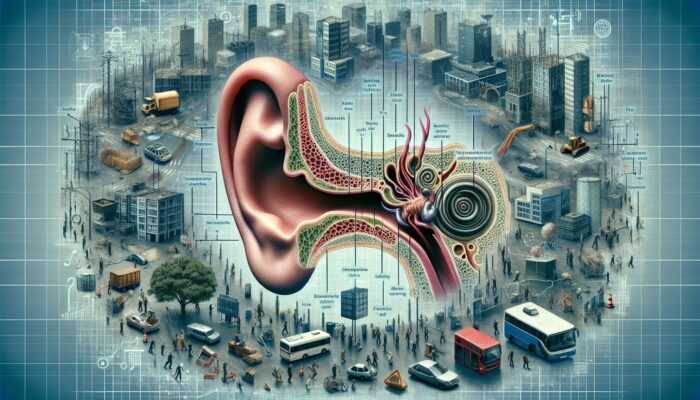
Cross-section of inner ear with damaged hair cells, urban noise sources, people struggling to communicate.

Noise-induced hearing loss is a critical public health issue that impacts millions of individuals around the globe. This condition occurs when exposure to excessively loud sounds damages the sensitive hair cells located in the inner ear, resulting in lasting hearing impairment. Once these hair cells are harmed, they do not regenerate, leading to irreversible hearing loss. The repercussions of this condition are extensive, affecting communication abilities, workplace productivity, and overall enjoyment of life. As urbanization accelerates globally, the levels of noise pollution continue to rise, highlighting the urgent need to understand the underlying causes and effective prevention methods for noise-induced hearing loss.

Around the world, individuals encounter harmful noise levels in diverse settings, including bustling cities, industrial factories, and lively concerts. Research indicates that prolonged exposure to sounds exceeding 85 decibels can result in serious auditory damage. The risk intensifies with extended exposure, as the cumulative effects can hasten hearing loss. Raising awareness about this issue is essential since many people may not be fully aware of the dangers posed by their everyday noise exposure. Whether it’s the din of city traffic or the booming bass at live music shows, recognizing that these sounds can lead to hearing loss is the crucial first step toward effective prevention.

Safeguarding your ears from loud noises is vital not just for maintaining your hearing but also for ensuring your overall health and well-being. A diminished quality of life can result when communication becomes difficult, potentially leading to social isolation, depression, and related mental health challenges. Therefore, it is crucial to address the risks associated with noise exposure and to promote strategies for hearing preservation across communities worldwide.

Identifying Dangerous Sound Levels for Hearing Health

Understanding what constitutes “too loud” is essential in combating noise-induced hearing loss. Sounds that exceed 85 decibels are generally considered hazardous, with the threat of hearing damage escalating as sound intensity rises and exposure duration increases. For example, a standard conversation typically registers around 60 decibels, whereas a rock concert can surpass 110 decibels. Prolonged exposure to such elevated sound levels can cause irreversible harm to the auditory system.

Grasping the concept of decibel levels empowers individuals to make informed decisions regarding their exposure to loud environments. For instance, sounds associated with chainsaws, lawnmowers, or heavy machinery often exceed 100 decibels, necessitating immediate use of hearing protection. Conversely, while recreational activities like attending concerts or sporting events can be enjoyable, they also carry significant risks for hearing health if adequate safety measures are ignored.

Global awareness campaigns have underscored the significance of understanding noise levels and their consequences for hearing health. Numerous countries have enacted regulations to protect workers in noisy environments, mandating the use of ear protection in industries such as construction, manufacturing, and entertainment. Emphasizing the importance of sound level measurement and recognizing when action is necessary can empower individuals to take proactive steps toward preserving their hearing.

Strategies for Preventing Irreversible Hearing Damage

Preventing irreversible hearing damage necessitates a comprehensive strategy that extends beyond merely avoiding loud sounds. Regular breaks from noisy environments can significantly diminish the likelihood of hearing loss. For example, if one finds themselves at a concert or in a loud factory, taking a brief respite can allow the ears to recuperate from the strain of high decibel levels. This practical approach is essential for everyone, from enthusiastic concert-goers to diligent factory workers.

Moreover, employing protective equipment such as Earplugs or earmuffs is crucial in the prevention of hearing loss. These devices are specifically designed to mitigate the damaging effects of loud sounds on the auditory system. Custom-fitted ear protection can be especially effective, as it is molded to the unique contours of an individual’s ear, ensuring both comfort and sound attenuation.

Education plays an indispensable role in prevention efforts. Communities around the globe stand to benefit from initiatives aimed at raising awareness about noise-induced hearing loss and the significance of protecting one’s ears from loud sounds. Educational opportunities in schools, workplaces, and public events can serve as platforms to inform individuals about the dangers of excessive noise exposure and the simple steps they can take to safeguard their hearing health.

Exploring Various Types of Ear Protection

A variety of ear protection devices like earmuffs, earplugs, and custom molds in different colors and sizes.

Understanding the Benefits of Earplugs

earplugs represent one of the most accessible forms of hearing protection available today. These compact devices are inserted into the ear canal to block out noise, effectively reducing sound exposure. Available in both disposable and reusable options, earplugs offer a versatile solution for a variety of environments and activities. Disposable earplugs, typically crafted from foam or wax, are convenient for one-time use, making them ideal for events such as concerts or festivals. Their affordability and ease of use render them a popular choice for individuals who may not require ear protection on a regular basis.

Conversely, reusable earplugs are designed for extended use and can be constructed from silicone or other durable materials. They are generally easier to clean and can provide a more personalized fit for the user. Custom earplugs, which are molded specifically to the wearer’s ear shape, offer the highest level of comfort and effectiveness. These are particularly beneficial for musicians, frequent concert attendees, or individuals working in noisy environments, as they provide consistent protection without compromising comfort.

Understanding the proper usage and fitting techniques for earplugs is vital to maximize their effectiveness. Incorrectly inserted earplugs may not adequately block sound, leaving users susceptible to harmful noise levels. The process of inserting earplugs should be executed carefully, ensuring a snug fit to create an effective seal. Regular cleaning and maintenance are also critical to prolonging their lifespan and effectiveness.

Exploring the Advantages of Earmuffs

Earmuffs are another widely-used option for protecting ears from loud noises. Covering the entire ear, these devices are particularly effective in industrial environments where noise levels are consistently elevated. Crafted from cushioned materials and often featuring noise-canceling technology, earmuffs provide substantial sound attenuation, making them indispensable for workers in construction, manufacturing, or other loud settings.

The primary advantage of earmuffs lies in their ability to deliver comfort while ensuring effective noise reduction. Unlike earplugs, which may cause discomfort during prolonged use, earmuffs can be worn for extended durations without irritation. Many models are designed to accommodate a wide range of head sizes and shapes, ensuring a secure and comfortable fit for all users.

Earmuffs come in various styles, including passive and electronic variations. Passive earmuffs deliver consistent noise reduction and are ideal for environments with constant noise. In contrast, electronic earmuffs can amplify softer sounds while still blocking out harmful noise levels. This feature is particularly advantageous for workers who need to communicate while protecting their hearing.

When selecting earmuffs, it’s important to consider factors such as the noise reduction rating (NRR), comfort, and specific industry requirements. Earmuffs not only serve as a practical choice but can also be stylish, available in a variety of designs to fit individual preferences.

Custom-Fitted Ear Protection: The Best Choice for Comfort
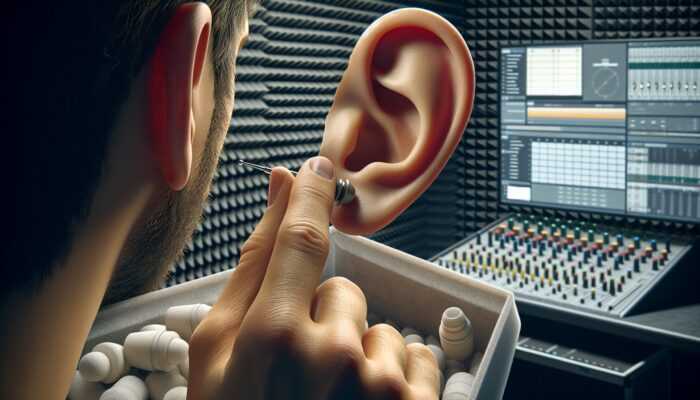
Custom-fitted earplugs being molded in a soundproof booth with industrial and musical equipment.

For optimal comfort and sound reduction, custom-fitted ear protection is highly recommended. These devices are specifically molded to an individual’s ear, ensuring a perfect fit that enhances their effectiveness in blocking harmful sounds. Custom earplugs and earmuffs are especially beneficial for musicians, industrial workers, and anyone consistently exposed to high noise levels.

The process of acquiring custom-fitted ear protection typically involves a professional fitting, where impressions of the ear are taken to create a personalized fit. This degree of customization not only boosts comfort but also increases the likelihood that users will consistently wear their ear protection. The importance of utilizing hearing protection cannot be overstated, particularly for those operating in environments where noise levels exceed safe thresholds.

Custom-fitted ear protection offers more than just comfort; it also enhances sound quality and clarity for specific activities. For musicians, custom earplugs can reduce sound levels without distorting the audio, allowing them to hear their performances more clearly while still preserving their hearing. This advantage is crucial for those working in the music industry, where exposure to loud sounds is an everyday reality.

While custom-fitted protection may require a higher initial investment than disposable options, the long-term benefits, including improved comfort and durability, make it a worthwhile investment. Additionally, many providers offer warranties or replacement options, ensuring that users can maintain optimal ear protection throughout their careers.

When to Use Hearing Protection Devices

Protecting Your Ears at Concerts and Live Music Events

Concerts and live events are often sources of joy and entertainment, but they can also pose significant risks to your auditory health. The decibel levels at these events can easily surpass safe limits, making ear protection essential for attendees. Whether it’s a rock concert, a music festival, or a theatrical performance, being proactive about hearing safety can prevent long-term damage to your hearing.

Attending live music events without proper ear protection can lead to immediate discomfort along with long-term hearing challenges. Even a single night of exposure to excessive sound levels can result in temporary threshold shifts—a short-term decrease in hearing sensitivity. Repeated exposure over time can culminate in permanent hearing loss, making it critical to adopt preventive measures.

High-fidelity earplugs have become popular among concert-goers as they reduce volume while preserving sound quality. These earplugs enable users to enjoy the music without jeopardizing their hearing. Encouraging concert venues to promote hearing safety by offering ear protection options or awareness campaigns can significantly enhance the overall well-being of attendees.

Venues worldwide are increasingly acknowledging the importance of hearing protection and integrating it into their safety protocols. From providing earplugs at the entrance to promoting awareness about noise levels, these initiatives can significantly reduce the risk of noise-induced hearing loss among concert-goers.

Ensuring Hearing Safety in Noisy Work Environments

Noise exposure in the workplace is a major concern for various industries, including construction, manufacturing, and transportation. Workers in these environments are often subjected to loud machinery and equipment that can lead to irreversible hearing damage. Implementing effective hearing protection strategies is paramount for safeguarding worker safety and health.

Employers bear the responsibility of providing their employees with appropriate hearing protection and training on its application. Regular assessments of noise levels can help identify areas where ear protection is necessary, and supplying earmuffs or earplugs should be standard practice in high-noise work settings. Moreover, fostering a culture that prioritizes hearing health can lead to enhanced compliance and awareness among employees.

Regular training sessions that educate workers about the risks associated with noise exposure and proper hearing protection techniques can empower them to take charge of their auditory health. Simple practices such as taking breaks in quieter areas or rotating tasks to minimize exposure can significantly reduce the risk of noise-induced hearing loss.

Additionally, workplaces can benefit from routine hearing screenings to monitor employees’ hearing health. Early detection of hearing loss can facilitate timely interventions and prevent further deterioration, ultimately creating a safer and more productive work environment.

Using Ear Protection During Recreational Activities

Many recreational activities expose participants to harmful noise levels, making the use of ear protection essential. Shooting sports, motorcycling, and even attending sports events can all present significant auditory risks. Understanding when to utilize ear protection during these activities can help safeguard your hearing for years to come.

Engaging in shooting sports is particularly loud, as gunfire can reach levels exceeding 140 decibels. Such intense noise exposure can lead to immediate hearing damage. Utilizing earmuffs or earplugs while shooting is crucial for protecting your ears and ensuring a safe experience. Many shooting ranges offer ear protection for visitors, but bringing your own can ensure a better fit and comfort.

Motorcycling also poses risks, as wind noise at high speeds can exceed 100 decibels, increasing the likelihood of hearing loss over time. Wearing a helmet equipped with built-in ear protection or using earplugs designed for motorcyclists can mitigate this risk while allowing riders to enjoy their journeys.

Attending sports events, such as football or soccer matches, can also expose fans to loud cheers, music, and announcements that may harm their hearing. Bringing earplugs to these events can enhance the experience while protecting your ears from potential damage. Raising awareness about hearing protection in recreational settings can help cultivate a culture that values auditory health.

Implementing Hearing Protection While Using Power Tools

Using power tools often generates noise levels that surpass safe limits, making hearing protection an essential consideration during these tasks. Tools such as chainsaws, drills, and grinders can produce sounds exceeding 100 decibels, presenting a significant risk for anyone involved in home improvement or construction projects.

When operating power tools, wearing earmuffs or earplugs is a non-negotiable safety measure. Selecting the appropriate ear protection can prevent hearing damage while allowing you to concentrate on the task at hand. It’s crucial to choose hearing protection with a suitable noise reduction rating (NRR) to ensure adequate sound attenuation for the specific tool being utilized.

Understanding the duration of exposure is equally important. Taking regular breaks from using power tools can significantly minimize hearing risks. Rotating tasks or scheduling quieter periods while working can considerably lower cumulative noise exposure, allowing your ears to recover.

Awareness campaigns aimed at DIY enthusiasts and professionals alike can effectively promote the importance of hearing protection when using power tools. Workshops or community classes that emphasize safety measures, including the proper use of power tools and the essential role of hearing protection, can heighten awareness and establish a culture of safety.

Prioritizing Ear Protection at Firearm Ranges

Firearm ranges are notorious for producing dangerously high noise levels, with the sound of gunfire reaching decibel levels capable of causing immediate and permanent hearing loss. Consequently, ear protection is not merely recommended; it is essential for anyone using firearms.

Understanding the nature of the noise generated by firearms is crucial. A single gunshot can exceed 140 decibels, and without proper ear protection, shooters risk suffering from noise-induced hearing loss after just one session at the range. To ensure maximum protection, utilizing both earmuffs and earplugs can create a dual-layer effect, significantly enhancing safety.

Many ranges now provide ear protection for visitors, but bringing personal ear protection ensures a better fit and comfort. Educating both new and experienced shooters about the necessity of ear protection can cultivate a safer shooting culture. Numerous communities host firearm safety programs that include the importance of hearing protection, emphasizing its critical role in the shooting experience.

In addition to preserving your hearing, appropriate ear protection can also enhance your overall shooting performance. Reducing unwanted noise enables shooters to concentrate better and improve their accuracy. Raising awareness about hearing safety at shooting ranges can help prevent avoidable hearing loss and ensure that enthusiasts can continue enjoying their sport for years to come.

Proper Techniques for Using and Maintaining Ear Protection

Mastering Correct Insertion Techniques for Earplugs

Proper insertion techniques for earplugs are essential for achieving maximum noise reduction and comfort. Incorrectly inserted earplugs can result in gaps that allow sound to enter, diminishing their protective effectiveness. To attain an optimal fit, adhere to specific guidelines based on the type of earplugs being utilized.

For foam earplugs, begin by rolling them into a tight cylinder. This action reduces their size, facilitating easier insertion into the ear canal. Once inserted, hold the earplug in place for a few seconds to allow it to expand and create a snug seal. It’s vital to ensure that the plug fits securely, as any gaps can permit harmful noise to bypass the protection.

Conversely, silicone or custom-fitted earplugs typically require a slightly different approach. These types should be gently pushed into the ear canal until they form a comfortable seal. Regularly practicing accurate insertion techniques can help minimize irritation and encourage consistent usage.

Education plays a pivotal role in teaching individuals the correct methods for earplug insertion. Many venues and workplaces can benefit from training sessions that demonstrate proper techniques and emphasize the significance of effective ear protection usage.

Ensuring Proper Cleaning and Storage of Ear Protection

Proper cleaning and storage of ear protection devices are critical for extending their lifespan and maintaining their effectiveness. Earplugs, particularly reusable ones, can accumulate debris, wax, and bacteria if not adequately maintained. Regular cleaning is vital to ensure that they provide optimal protection and comfort.

For foam earplugs, it is generally recommended to use them only once for hygiene reasons. However, reusable silicone earplugs can be washed with mild soap and warm water. Ensure they are thoroughly dried before storing them in a clean container to prevent contamination. Storing earplugs in a breathable, dry location can help maintain their shape and functionality.

Earmuffs require less frequent cleaning but should still be wiped down regularly with disinfectant wipes or a damp cloth. The foam cushions can attract dirt and moisture, potentially leading to bacteria build-up. Keeping earmuffs clean ensures comfort and helps prevent any irritative skin reactions while wearing them.

Proper storage of ear protection devices is equally essential. Avoid placing them in areas where they may be crushed or damaged, opting instead for designated storage bags or cases. This practice not only prolongs the lifespan of the devices but also ensures they are always readily available for use.

Knowing When to Replace Ear Protection Devices

Understanding when to replace ear protection devices is critical to ensuring their ongoing effectiveness. Regularly inspecting earplugs and earmuffs for signs of wear or damage is essential. Over time, earplugs can lose their elasticity and ability to create a proper seal, while earmuffs may suffer from fraying or deterioration of the padding.

Typically, disposable earplugs should be discarded after one use, but reusable earplugs should be replaced when they exhibit signs of wear, such as cracks or a loss of shape. If you notice that the earplugs no longer fit snugly or are uncomfortable, it’s time for a replacement.

Earmuffs should be replaced when the cushions become worn, cracked, or lose their ability to create a proper seal around the ears. Regularly checking the headband for flexibility and strength is also vital, as a damaged headband can lead to a poor fit and inadequate protection.

Establishing a routine for inspecting and replacing ear protection can help ensure that they continue to provide effective noise reduction. Many workplaces and organizations can benefit from implementing a regular maintenance schedule for hearing protection devices, fostering a culture of safety and awareness.

Conducting Regular Inspections of Ear Protection Devices

Regular checks for damage or degradation of ear protection devices are crucial to ensuring their continued effectiveness. Frequent inspections help identify potential issues before they compromise hearing protection. Establishing a routine for checking earplugs and earmuffs can significantly enhance the longevity and performance of these devices.

During inspections, look for any visible signs of wear, such as cracks, rips, or changes in texture. For earmuffs, ensure that the padding is intact and that the headband has not become weak or brittle. The effectiveness of ear protection relies on its ability to create a tight seal around the ear, so any damage should be addressed immediately.

Encouraging individuals to conduct regular inspections of their ear protection can foster a culture of accountability regarding hearing safety. Workplaces and organizations can facilitate this process by providing checklists or schedules to remind users to inspect their devices regularly.

Incorporating regular inspection practices into safety training can also ensure that users understand the importance of maintaining their hearing protection. When individuals are informed about how to care for and inspect their devices, they are more likely to prioritize their auditory health and well-being.

Advocating for Hearing Protection in Communities

Enhancing Community Awareness About Hearing Protection

Raising awareness about the significance of hearing protection in communities is crucial for preventing noise-induced hearing loss. Community programs can serve as effective platforms to educate individuals about the risks associated with loud noises and the straightforward measures they can implement to protect their hearing.

Organizing workshops, seminars, and public campaigns can help disseminate vital information regarding hearing health. Collaborating with local health organizations, educational institutions, and community centers can amplify these efforts and engage diverse audiences. Providing resources such as pamphlets and visual aids can facilitate understanding and retention of critical information.

Utilizing social media represents another effective avenue for spreading awareness. Engaging content, including videos and infographics, can reach a wider audience and stimulate discussions about hearing safety. Creating online challenges or campaigns that encourage individuals to share their experiences with noise exposure and protection can foster community involvement and raise awareness.

Schools can play a pivotal role in educating the younger generation about hearing protection. Integrating hearing health education into the curriculum can cultivate lifelong awareness and healthy habits. Simple actions, such as encouraging students to wear ear protection during music classes or loud events, can result in significant improvements in community hearing health.

Instilling Noise Safety Awareness in Children

Educating children about the dangers of loud noises and the importance of using ear protection is essential for fostering lifelong hearing health habits. Children often lack awareness of the potential risks associated with excessive noise exposure, making education a priority for parents and educators alike.

Incorporating noise safety education into school programs can effectively deliver this crucial message. Engaging activities, such as hands-on demonstrations or interactive games, can help children comprehend sound levels and the impact of noise on their hearing. Teaching them to recognize loud sounds and the necessity for protection can empower them to make informed decisions throughout their lives.

Parents can also play an active role in teaching their children about noise safety. Encouraging the use of ear protection during loud activities, such as concerts or fireworks displays, reinforces the importance of safeguarding their hearing. Providing children with fun, colorful earplugs or earmuffs can make the practice enjoyable and promote compliance.

Creating family-friendly events that emphasize noise safety can further enhance awareness in the community. Workshops or fun days at local parks can offer families valuable information about hearing health while providing hands-on experiences. By fostering a culture of safety and awareness, parents and communities can work collaboratively to protect future generations from noise-induced hearing loss.

Promoting Hearing Protection Through Workplace Safety Programs

Workplaces should implement safety programs that educate employees about the use of hearing protection devices. Such programs can play a vital role in fostering a culture of safety and awareness concerning noise-induced hearing loss. Regular training sessions and workshops can equip employees with vital knowledge and skills needed to protect their hearing effectively.

Safety programs should include information on the risks associated with noise exposure, the significance of using ear protection, and proper insertion techniques. Providing hands-on demonstrations can enhance learning and ensure that employees understand how to utilize their hearing protection correctly.

Incorporating regular hearing health assessments into workplace safety programs can also encourage compliance and awareness. By offering free hearing tests, employers can assist employees in monitoring their hearing health and identifying potential issues early. This proactive approach demonstrates a commitment to employee well-being and fosters a safer work environment.

Establishing a feedback loop within workplace safety programs can further enhance their effectiveness. Encouraging employees to share their experiences with noise exposure and protection can facilitate open discussions and promote a culture of accountability regarding auditory health.

Advocating for Hearing Protection in Recreational Activities

Encouraging the use of hearing protection during recreational activities can significantly contribute to preventing noise-induced hearing loss. Many leisure pursuits, such as shooting, attending concerts, and motorcycling, expose participants to hazardous noise levels, making awareness and protection essential.

Promoting hearing safety within recreational communities can involve distributing educational materials at relevant events. Workshops focusing on the importance of hearing protection and demonstrating proper use can engage participants and foster a culture of safety.

Collaboration with local businesses, such as shooting ranges or concert venues, can enhance awareness efforts. Providing complimentary ear protection at these events can motivate attendees to prioritize their auditory health while enjoying activities they love.

Social media platforms can serve as effective tools for promoting hearing protection in recreational activities. Engaging content, such as testimonials and informative posts, can reach a broad audience and encourage individuals to share their experiences. By fostering a community focused on hearing health, we can collectively work toward preventing noise-induced hearing loss.

Monitoring Your Hearing Health: Key Strategies

Conducting Regular Hearing Tests for Early Detection

Regular hearing tests are crucial for identifying early signs of hearing loss. Healthcare professionals recommend that individuals, especially those frequently exposed to loud environments, undergo hearing assessments at least once every one to two years. These tests can help detect any changes in hearing ability and facilitate timely interventions if necessary.

For individuals working in noisy settings or engaging in activities that expose them to loud sounds, scheduling regular hearing tests becomes even more critical. Early identification of hearing changes can prevent further deterioration and offer opportunities to address the issue before it escalates into a significant problem.

Advancements in technology have enhanced the accessibility and efficiency of hearing tests. Many audiologists now provide mobile services, enabling individuals to receive assessments without extensive travel requirements. Additionally, online hearing tests can offer preliminary assessments and direct individuals to appropriate care if needed.

Awareness campaigns emphasizing the importance of regular hearing tests can promote better hearing health throughout communities. Collaborating with local health organizations can facilitate free or low-cost testing events, encouraging individuals to prioritize their auditory health.

Identifying Symptoms of Hearing Damage for Timely Action

Recognizing the symptoms of hearing damage is vital for timely intervention. Symptoms can vary widely among individuals but commonly include ringing in the ears (tinnitus), difficulty comprehending speech, and the need to increase the volume on devices. Individuals experiencing any of these symptoms should seek professional evaluation promptly.

Tinnitus, characterized by a persistent ringing or buzzing sensation in the ears, can be one of the initial indicators of hearing damage. While it can also result from other factors, persistent tinnitus should be taken seriously, as it may signal underlying auditory issues.

Difficulty understanding conversations, especially in noisy settings, can also point to hearing loss. Individuals may find themselves straining to catch words or frequently asking others to repeat themselves. Acknowledging this symptom and seeking professional assistance early can lead to timely intervention and improved management of hearing health.

Promoting awareness about these symptoms within communities can empower individuals to take control of their auditory health. Educational programs emphasizing the importance of recognizing these signs can help prevent further deterioration and encourage proactive measures.

Seeking Professional Help for Hearing Concerns

Consulting an audiologist or hearing specialist is essential if you suspect hearing loss. These professionals are equipped to conduct comprehensive evaluations and recommend suitable interventions. Whether it involves hearing aids, therapies, or lifestyle adjustments, early professional guidance can lead to better outcomes.

Individuals should not hesitate to seek help, as early intervention can significantly enhance quality of life and create opportunities for effective hearing management. Many audiologists also provide education regarding the importance of hearing protection, empowering patients to make informed choices about their auditory health.

Regular follow-ups with hearing specialists are crucial for monitoring any changes in hearing ability. These appointments allow for adjustments to any recommended interventions and provide ongoing education about maintaining hearing health.

Cultivating a culture that prioritizes professional help for hearing issues can lead to improved awareness and early detection of hearing loss. Communities can benefit from programs that promote the importance of consulting specialists and the resources available for those experiencing hearing challenges.

Frequently Asked Questions about Hearing Protection

What causes noise-induced hearing loss?

Noise-induced hearing loss occurs due to exposure to loud sounds that damage the hair cells in the inner ear, resulting in permanent hearing impairment.

How loud is too loud for my ears?

Sounds exceeding 85 decibels are deemed dangerous, with risks escalating at higher volumes and prolonged exposure times.

What are the best types of ear protection?

The most effective types of ear protection include earplugs, earmuffs, and custom-fitted devices, each offering different levels of comfort and noise reduction.

When should I utilize ear protection?

You should use ear protection during concerts, in noisy work environments, during recreational activities involving loud sounds, and when using power tools or firearms.

How do I correctly use earplugs?

Correct usage of earplugs involves rolling them into a tight cylinder, inserting them into the ear canal, and ensuring a snug fit to block out sound effectively.

How often should I replace my ear protection devices?

Dispose of earplugs after one use, and inspect reusable earplugs or earmuffs regularly for signs of wear, replacing them as needed.

How can I educate others about hearing protection?

You can educate others by organizing community programs, sharing information on social media, and promoting the importance of using ear protection during loud activities.

What are the signs of hearing damage?

Common signs of hearing damage include tinnitus (ringing in the ears), difficulty understanding speech, and needing to increase the volume on devices.

Why are regular hearing tests important?

Regular hearing tests are essential for detecting early signs of hearing loss, allowing for timely intervention and improved management of hearing health.

How can I promote hearing protection in recreational activities?

Promote hearing protection by distributing educational materials, hosting workshops, and collaborating with local businesses to offer ear protection at events.

Discover more on X!

The post Essential Tips for Protecting Your Ears From Loud Noises appeared first on The Microsuction Ear Wax Removal Network.

Categories
Environment & Sustainability Noise Impact

Noise Pollution and Its Universal Harm to Hearing

Last Updated on 10/05/2025 by Admin

Comprehensive Insights into Noise Pollution and Its Effects

Defining Noise Pollution and Its Diverse Sources

Noise pollution is a pervasive and harmful phenomenon characterized by excessive levels of sound emanating from a wide array of sources, significantly impacting hearing health around the world. This issue infiltrates our lives in various settings, from the frenetic energy of urban streets to the quieter vibes of suburban neighborhoods. Key contributors to noise pollution include traffic sounds, industrial machinery, construction activities, loud music, and even natural sounds that become distorted due to human interference. This environmental stressor is a global challenge, affecting both developed and developing nations, and it becomes more pronounced as urbanization accelerates. The widespread presence of noise pollution highlights its significance for health professionals, city planners, and the general populace alike.

Research has identified that the leading sources of noise pollution are road traffic, railways, and air traffic. However, the impacts of entertainment venues and leisure activities must not be underestimated. Events like concerts, nightclubs, and sports events generate high noise levels that pose risks for both immediate and long-term hearing issues. As urban areas expand, the challenge of managing noise pollution intensifies. With growing metropolitan populations comes an increased demand for efficient transportation and entertainment options, creating a perfect storm for auditory harm. Therefore, addressing these sources through community education and engagement is vital for cultivating a society that is more aware of noise pollution.

Accurately Measuring Noise Levels for Better Awareness

To comprehend the detrimental effects of noise pollution on hearing, it is essential to measure noise levels accurately. Noise is quantified using the decibel (dB) scale, which indicates sound intensity. Prolonged exposure to sound levels exceeding 85 dB is widely recognized as harmful to hearing health. This threshold is particularly alarming, given that commonplace sources—such as heavy traffic, construction sites, and loud music—frequently surpass this limit in urban settings. For instance, a standard motorcycle can produce 95 dB, while a rock concert can peak at an alarming 120 dB, posing substantial risks for attendees.

Understanding decibel measurements is crucial for raising public awareness and shaping effective policies. These measurements help identify environments where sound levels exceed safe thresholds, enabling targeted interventions. Numerous countries have established guidelines aimed at maintaining acceptable noise levels in public spaces and workplaces. The World Health Organization (WHO) recommends that nighttime noise levels remain below 40 dB to promote healthy sleep, highlighting the global consensus on the importance of managing sound exposure.

Furthermore, technological advancements have allowed for continuous noise monitoring, empowering communities to track their acoustic environments in real-time. Such systems not only help individuals recognize when they are in high-noise areas but also give advocacy groups the tools to push for regulatory changes. By utilizing noise measurement technologies, communities worldwide can champion healthier living conditions and mitigate the adverse effects of sound pollution.

Exploring Common Exposure Scenarios for Noise Pollution

Everyday environments significantly influence how noise pollution impacts hearing health. Traffic is a major source, with urban residents often subjected to the relentless hum of vehicles. Cities like Tokyo, New York, and Mumbai epitomize this challenge, where the ceaseless sounds of car horns, sirens, and construction create a continuous auditory landscape. Individuals commuting in these bustling cities frequently navigate soundscapes that can reach hazardous decibel levels, increasing their risk of hearing impairment.

Workplaces also play a critical role in exposure scenarios. Industries such as manufacturing and construction often involve high-decibel machinery that poses significant auditory stress. Workers in these environments frequently face challenges due to insufficient protective measures against noise. For example, construction sites can operate machinery that exceeds 90 dB, necessitating effective hearing conservation programs to shield employees from permanent hearing loss.

Entertainment venues present another vital exposure scenario. Concerts, festivals, and cinemas are prevalent worldwide, providing enjoyment but also exposing attendees to hazardous sound levels. Research has demonstrated that prolonged exposure to loud music can result in irreversible hearing damage, making education and protective measures crucial for both concertgoers and venue operators. By recognizing these prevalent exposure scenarios, individuals can proactively safeguard their hearing health.

Examining the Health Impacts of Noise Pollution

The health consequences of noise pollution extend well beyond hearing loss; they encompass a wide range of physiological and psychological effects. Chronic exposure to excessive noise can trigger stress responses in the body, activating the fight-or-flight response. This prolonged stress is linked to elevated cortisol levels, leading to chronic health problems such as hypertension, heart disease, and even strokes. The relationship between noise and cardiovascular health is an emerging area of concern, particularly for urban populations, underscoring the need for effective interventions.

Sleep disturbances, another significant consequence of noise pollution, affect a large segment of the global population. Noisy environments can disrupt sleep cycles, contributing to insomnia and diminished sleep quality, which consequently impacts cognitive functions and overall health. Studies conducted in densely populated cities have illustrated a direct correlation between high nighttime noise levels and increased rates of sleep disorders. The long-term effects of sleep deprivation can lead to fatigue, diminished cognitive performance, and a higher susceptibility to mental health disorders.

Moreover, the psychological impact of noise pollution is profound. Chronic exposure to noise is correlated with heightened rates of anxiety and depression, especially among vulnerable groups such as children and the elderly. The constant barrage of sound can create an atmosphere of agitation and irritability, affecting interpersonal relationships and diminishing overall quality of life. Thus, comprehensively understanding the diverse health impacts of noise pollution is crucial for formulating effective public health strategies aimed at alleviating this widespread issue.

Implementing Strategies to Reduce Noise Pollution Effectively

To tackle the pervasive challenge of noise pollution, a multifaceted approach is essential. Innovative urban planning strategies play a pivotal role in minimizing noise exposure. Integrating green spaces and sound barriers into city designs can substantially mitigate noise effects, cultivating more tranquil environments. Cities globally are beginning to recognize the benefits of incorporating parks and natural buffers that absorb sound, thereby enhancing the quality of life for their residents.

Regulatory measures are also fundamental in managing noise levels effectively. Governments can implement and enforce noise abatement regulations that set strict limits on sound emissions from industrial sources, construction activities, and nightlife venues. For example, cities like Copenhagen have successfully employed noise regulations to foster urban soundscapes that prioritize public health, creating more conducive environments for well-being.

Public awareness campaigns are crucial for encouraging community involvement in noise pollution reduction efforts. Educating citizens about the dangers of noise pollution empowers them to advocate for change. Schools, workplaces, and organizations can promote awareness through workshops and informational sessions, emphasizing preventive behaviors such as utilizing ear protection and reducing overall noise levels in personal and public spaces.

Ultimately, effective strategies for noise pollution reduction require collaboration among governments, communities, and individuals. By prioritizing sound management, we can foster healthier and more harmonious living environments worldwide.

Exploring Mechanisms of Hearing Damage Due to Noise

Understanding the Physical Impact of Loud Noises on Ears

The ear’s intricate structures are exceptionally sensitive to sound waves, and exposure to loud noises can result in physical damage. Sound travels through air as vibrations, and when these vibrations exceed safe levels, they can harm the delicate hair cells in the cochlea. These hair cells are crucial for converting sound vibrations into electrical signals that the brain interprets as sound. Extended exposure to loud noises can lead to a condition known as acoustic trauma, resulting in the destruction of these vital cells.

When hair cells sustain damage, the brain’s capability to perceive sound diminishes, resulting in varying degrees of hearing loss. This process may not be immediate; initial exposure can trigger temporary threshold shifts, where hearing temporarily decreases but may recover. However, repeated exposure to high noise levels can culminate in irreversible hearing loss, significantly affecting an individual’s quality of life. For instance, construction workers who regularly operate heavy machinery without adequate hearing protection may experience gradual auditory decline, emphasizing the importance of preventive measures.

Furthermore, the physical impact of noise extends beyond mere hearing loss. It can lead to conditions such as tinnitus, characterized by ringing or buzzing in the ears. Tinnitus can be debilitating, impacting concentration, sleep, and overall mental health. The risk of developing tinnitus increases with the intensity and duration of noise exposure, illustrating the urgent need for awareness and protective strategies.

Recognizing Noise-Induced Hearing Loss (NIHL)

Noise-induced hearing loss (NIHL) is a prevalent global health issue that affects individuals across all age groups and demographics. This condition results from exposure to harmful noise levels, whether suddenly from explosions or gunfire, or gradually through prolonged exposure to loud environments. NIHL is particularly insidious as it often develops unnoticed over time, leading to irreversible auditory damage before individuals recognize their declining hearing abilities.

The prevalence of NIHL is alarming, with the World Health Organization estimating that 1.1 billion young people are at risk due to unsafe listening practices, such as using headphones at high volumes. The impact of modern technology, including personal audio devices and loud entertainment venues, has exacerbated this issue. For instance, attending music festivals or concerts where sound levels exceed 100 dB can result in significant auditory damage, even after just one exposure.

Moreover, the effects of NIHL are not uniform; they may manifest differently depending on age, gender, and genetic predispositions. Younger individuals, particularly adolescents and young adults, may exhibit a greater vulnerability to hearing loss as their auditory systems continue to develop. Conversely, older adults may experience compounded hearing loss due to age-related factors, making them more susceptible to the effects of noise exposure.

Preventing NIHL relies on awareness and proactive measures. Implementing hearing conservation programs in workplaces, mandating the use of protective equipment, and promoting public education about safe listening practices can help mitigate the risks associated with noise exposure. By prioritizing prevention, we can shield future generations from experiencing the devastating consequences of noise-induced hearing loss.

Distinguishing Between Temporary and Permanent Effects of Noise

The effects of noise on hearing can be categorized into temporary and permanent outcomes, each carrying implications for auditory health. Temporary effects often present as a temporary threshold shift, where individuals experience a temporary reduction in hearing sensitivity following exposure to loud sounds. This condition may lead to a muffled sensation in the ears, creating an unsettling experience. Fortunately, these effects often resolve after a period of quiet, with hearing typically returning to baseline levels.

However, the potential for temporary effects to evolve into permanent hearing loss is a critical concern in the context of cumulative noise exposure. Repeated instances of temporary threshold shifts can lead to irreversible damage, particularly when individuals neglect to take appropriate precautions. For example, frequent attendance at loud concerts without ear protection can gradually erode hearing sensitivity, transforming temporary effects into lasting impairment.

Understanding the distinction between temporary and permanent effects is essential for individuals at risk of noise exposure. Education on safe listening practices and acknowledgment of the long-term consequences of repeated exposure to loud sounds can empower individuals to prioritize their hearing health. By recognizing the dangers associated with even brief periods of loud noise, individuals can take proactive measures to protect their auditory well-being.

As communities continue to confront the challenges posed by noise pollution, acknowledging the spectrum of auditory effects is essential for fostering a culture of hearing protection. Implementing strategies to minimize exposure to damaging sounds, alongside public education initiatives, can significantly reduce the prevalence of both temporary and permanent hearing loss globally.

Health Consequences of Noise Pollution Beyond Hearing Loss

The Relationship Between Noise Pollution, Stress, and Cardiovascular Health

The impact of noise pollution on health transcends the auditory system, with substantial implications for stress levels and cardiovascular health. Chronic exposure to elevated noise levels triggers physiological stress responses, activating the body’s sympathetic nervous system. This response results in increased heart rate, elevated blood pressure, and the release of stress hormones such as cortisol. Over time, these persistent stress responses can lead to serious cardiovascular issues, including hypertension, heart disease, and strokes.

Research has established a clear connection between noise exposure and cardiovascular health outcomes. Studies in urban environments indicate that individuals living near busy roadways or industrial areas experience higher rates of cardiovascular diseases compared to those in quieter locales. For example, a comprehensive study in Europe found that long-term exposure to traffic noise was associated with a 25% increase in the risk of heart disease. Such findings underscore the urgent need for targeted interventions to mitigate noise pollution in high-risk areas.

Furthermore, the interplay between noise pollution and stress highlights the pressing need for public health initiatives. Communities must prioritize sound management strategies to foster healthier environments. This may involve urban planning that integrates noise-reducing elements, such as green spaces and sound barriers, along with public policies aimed at regulating industrial and transportation noise. By addressing the root causes of noise pollution, we can mitigate its adverse effects on cardiovascular health and improve overall community well-being.

The Impact of Noise Pollution on Sleep Quality

Sleep disturbances rank among the most insidious consequences of noise pollution, significantly affecting individuals’ overall health and well-being. Exposure to excessive noise during nighttime can disrupt sleep cycles, leading to insomnia, reduced sleep quality, and chronic fatigue. The World Health Organization emphasizes that nighttime noise levels should remain below 40 dB to foster healthy sleep; however, many urban environments fail to meet this benchmark, subjecting residents to persistent auditory disturbances.

The repercussions of noise on sleep extend beyond mere annoyance; they can provoke profound physiological effects. Disrupted sleep patterns can result in a cascade of negative health outcomes, including impaired cognitive function, decreased productivity, and increased susceptibility to chronic diseases. Research has shown that individuals exposed to high noise levels during sleep experience reduced REM sleep, a critical phase for cognitive restoration and emotional regulation.

Furthermore, vulnerable populations such as children and the elderly may be disproportionately affected by sleep disturbances caused by noise pollution. Children require consistent sleep for cognitive and physical development, while seniors often exhibit heightened sensitivity to noise. The cumulative effects of disrupted sleep can exacerbate existing health issues, leading to a vicious cycle of declining health.

Mitigating sleep disturbances necessitates a multifaceted approach. Communities can implement noise abatement strategies, including soundproofing buildings and promoting quiet zones in urban areas. Additionally, public awareness campaigns can educate residents about the importance of maintaining a quiet environment during nighttime hours. By prioritizing sleep health and managing noise pollution, we can enhance the overall quality of life for individuals worldwide.

Exploring the Mental Health Impacts of Noise Pollution

The mental health implications of noise pollution are increasingly recognized as a critical area of concern. Prolonged exposure to elevated noise levels has been linked to increased rates of anxiety, depression, and general psychological distress. The incessant barrage of sound can generate an overwhelming sense of agitation, contributing to heightened stress levels and negative emotional states.

Research indicates that individuals residing in high-noise environments report higher levels of mental health issues compared to those in quieter areas. For instance, a study conducted in urban settings found that residents near busy highways exhibited significantly higher rates of anxiety and depressive symptoms. The psychological toll of noise pollution is particularly pronounced among vulnerable populations, including low-income communities, where access to quiet spaces and mental health resources may be limited.

Addressing the mental health effects of noise pollution requires a comprehensive and community-driven strategy. Initiatives that promote quiet spaces, such as parks and recreational areas, can serve as vital sanctuaries for individuals seeking relief from noise. Furthermore, public health campaigns aimed at increasing awareness of the mental health ramifications of noise can empower individuals to advocate for change within their communities.

Promoting mental well-being in relation to noise pollution is essential for cultivating healthier living environments. By understanding the complex interplay between sound and mental health, communities can collaboratively work to reduce noise exposure and foster resilience among residents.

Cognitive Impairment Linked to Noise Pollution

Prolonged exposure to noise pollution has been shown to impair cognitive function, affecting attention, memory, and overall cognitive performance. The cognitive effects of noise are especially concerning in educational contexts, where students are often subjected to distracting sounds that hinder their learning capabilities. Research consistently indicates that children in noisy environments score lower on cognitive assessments, underscoring the detrimental effects of noise on academic performance.

The mechanisms underlying cognitive impairment related to noise exposure are intricate. Distractions caused by loud sounds can impede concentration, making it challenging for individuals to process information effectively. For instance, a study conducted in urban schools revealed that students exposed to high ambient noise levels exhibited diminished attention spans and lower test scores compared to their peers in quieter environments. This phenomenon emphasizes the necessity for targeted interventions to mitigate noise pollution in educational settings.

Moreover, the implications of cognitive impairment extend beyond childhood; adults exposed to chronic noise may also experience declines in cognitive function. Aging populations, in particular, may undergo accelerated cognitive decline when subjected to prolonged noise exposure. The intersection of noise pollution and cognitive health highlights the urgency of addressing this public health challenge.

Communities can implement strategies to minimize noise exposure in educational and occupational settings, such as soundproofing classrooms and creating quiet zones in workplaces. By prioritizing cognitive health and fostering quieter environments, we can enhance learning outcomes and overall cognitive performance for individuals of all ages.

Identifying Vulnerable Populations Affected by Noise Pollution

The Unique Challenges Faced by Children and Adolescents

Children and adolescents represent some of the most vulnerable populations regarding the effects of noise pollution on hearing health. Their developing auditory systems make them particularly susceptible to noise-induced hearing loss (NIHL), with studies indicating that exposure to loud environments during formative years can result in permanent auditory damage. Schools located near busy roads or construction sites often expose students to hazardous noise levels, necessitating urgent attention and intervention.

The widespread use of personal audio devices also poses a substantial risk to younger individuals. Many children and teens engage in unsafe listening practices, such as using headphones at elevated volumes. The World Health Organization has raised alarms about the increasing number of young people at risk for hearing loss due to these habits, emphasizing the need for education on safe listening practices. Schools and communities can play a pivotal role in promoting awareness and implementing programs that encourage healthy auditory behaviors.

Additionally, the impact of noise pollution on children extends beyond hearing loss. Research indicates that chronic exposure to elevated noise levels can hinder cognitive development, adversely affecting academic performance and emotional well-being. Children exposed to high noise levels are often more vulnerable to anxiety and behavioral issues, highlighting the urgent need to address environmental factors contributing to their distress.

Protecting children from the harmful effects of noise pollution demands a collaborative effort from parents, educators, and policymakers. By advocating for quieter learning environments, promoting safe listening habits, and raising awareness of the risks associated with noise exposure, we can safeguard the auditory health of future generations.

The Elderly and Their Vulnerability to Noise Pollution

Elderly individuals face unique challenges in the context of noise pollution and hearing health. Age-related hearing loss, known as presbycusis, affects a significant portion of the aging population, rendering them more susceptible to the adverse effects of noise exposure. Research indicates that older adults often experience a decline in auditory sensitivity, amplifying the risk of noise-induced hearing loss when exposed to loud environments.

Moreover, cognitive decline associated with aging can be exacerbated by noise pollution. Studies have demonstrated that older adults living in noisy settings are at a higher risk of developing cognitive impairments, including memory loss and decreased attention spans. The cumulative effects of hearing loss and cognitive decline can considerably impact their quality of life, leading to social isolation and reduced engagement in daily activities.

Addressing the needs of elderly individuals concerning noise pollution requires a multifaceted approach. Communities can implement strategies to create quieter living environments, such as soundproofing residential buildings and encouraging the use of hearing aids. Additionally, public health initiatives can cultivate awareness of the importance of protecting hearing health among older adults, urging them to seek regular hearing evaluations and adopt protective measures in noisy settings.

By prioritizing the needs of elderly individuals in discussions surrounding noise pollution, we can foster environments that support their auditory and cognitive health, enhancing their overall quality of life.

Occupational Groups at Risk of Noise-Induced Hearing Loss

Workers in noisy environments, such as those in the construction, manufacturing, and entertainment industries, face heightened risks of noise-induced hearing loss (NIHL). These occupational groups are frequently exposed to sound levels that surpass safe limits, making effective hearing conservation programs essential. For instance, construction workers operating heavy machinery often encounter noise levels ranging from 85 to 120 dB, necessitating protective measures to safeguard their auditory health.

The consequences of occupational noise exposure can be severe and long-lasting. Many workers experience gradual hearing loss over time due to cumulative exposure, leading to irreversible auditory damage that affects both their professional and personal lives. Additionally, the psychological toll of living with hearing loss can be profound, resulting in increased stress and decreased job satisfaction.

Implementing effective hearing conservation programs in high-risk workplaces is crucial for protecting employees. These programs should encompass regular hearing assessments, mandatory use of hearing protection, and education on safe listening practices. Furthermore, employers must cultivate a culture of awareness surrounding noise exposure, encouraging workers to prioritize their auditory health.

By acknowledging the unique challenges faced by occupational groups exposed to noise pollution, we can develop targeted strategies to mitigate risks and promote a healthier workforce. Advocacy for improved regulations and workplace practices is vital for ensuring the long-term hearing health of those in high-risk occupations.

Preventive Measures Against Noise Pollution

Prioritizing the Use of Protective Equipment

One of the most effective strategies to combat noise pollution and its detrimental effects on hearing is the use of protective equipment. Earplugs and earmuffs act as critical barriers against loud sounds, significantly reducing exposure to potentially damaging noise levels. In various environments, from concert venues to construction sites, these devices can greatly diminish the risk of noise-induced hearing loss (NIHL).

Earplugs are particularly beneficial for individuals frequently encountering loud environments, such as musicians or factory workers. These small, portable devices can easily be inserted into the ears to lower sound intensity, allowing users to engage in their activities while protecting their hearing health. Earmuffs, on the other hand, provide a more comprehensive shield against noise, encasing the entire ear to block sound effectively. They are often utilized in industrial settings where noise levels can reach dangerous levels for prolonged periods.

Promoting the use of protective equipment necessitates awareness and education. Employers in high-noise industries must ensure that workers receive the necessary gear and training regarding the importance of hearing conservation. Additionally, music venues and event organizers can implement policies encouraging attendees to wear ear protection, particularly during high-decibel performances.

By prioritizing the use of protective equipment, individuals can take proactive steps to safeguard their hearing health. This simple measure can significantly reduce the risks associated with noise exposure, fostering a culture of awareness and prevention.

Implementing Effective Noise Reduction Strategies

Implementing noise reduction strategies is crucial for minimizing the impact of noise pollution on communities and individuals. One effective approach involves soundproofing high-risk areas, such as schools, hospitals, and residential buildings. Utilizing materials designed to absorb or block sound can significantly decrease noise levels, creating more peaceful environments conducive to health and well-being.

Urban planning plays a pivotal role in noise reduction. Cities can integrate green spaces and noise barriers into their designs, effectively shielding residential areas from the cacophony of traffic and industrial activities. For example, cities like Amsterdam have successfully employed sound barriers along busy highways to protect nearby neighborhoods from excessive noise, enhancing residents’ quality of life.

Public transportation systems can also adopt measures to lessen noise pollution. Implementing quieter technologies in buses and trains, as well as ensuring proper maintenance of vehicles, can contribute to lowering overall sound levels in urban environments. Furthermore, community engagement initiatives that encourage residents to advocate for noise reduction measures can foster a collaborative approach to addressing this pervasive issue.

Ultimately, the implementation of noise reduction strategies requires a collective effort from governments, urban planners, and communities. By prioritizing sound management, we can create healthier and more harmonious living environments worldwide.

Enhancing Public Awareness and Education on Noise Pollution

Raising public awareness about the dangers of noise pollution is a crucial component of effective prevention strategies. Education plays a vital role in empowering individuals to understand the risks associated with excessive noise exposure and take proactive measures to protect their hearing health. Through community outreach programs, schools, and public health initiatives, individuals can be informed about safe listening practices and the importance of noise management.

Educational campaigns can address various facets of noise pollution, including its causes, effects, and preventive measures. Schools can integrate noise awareness into their curricula, teaching students about safe listening habits and the significance of protecting their hearing from an early age. Additionally, community workshops can provide valuable information on noise reduction strategies and the use of protective equipment, fostering a culture of awareness and responsibility.

Moreover, leveraging technology and social media platforms can amplify awareness efforts. Engaging content, such as videos and infographics, can effectively communicate the risks of noise pollution and promote safe practices. By utilizing these modern tools, public health organizations can reach a wider audience and encourage individuals to take action in their communities.

Ultimately, public awareness and education are key to fostering a culture of prevention regarding noise pollution. By prioritizing education, we can empower individuals to make informed choices about their auditory health and advocate for healthier environments.

Exploring Technological Solutions to Combat Noise Pollution

Utilizing Noise-Cancelling Devices for Enhanced Auditory Experiences

Advancements in technology have paved the way for innovative solutions to combat noise pollution, with noise-cancelling devices leading the charge. These devices employ sophisticated algorithms to identify and counteract ambient noise, providing users with a more serene auditory experience. Noise-cancelling headphones, for instance, are increasingly popular among individuals seeking refuge from loud environments, whether on public transport or in bustling offices.

The technology behind noise-cancelling devices involves microphones that detect external sounds and generate sound waves that are phase-inverted to cancel them out. This innovative approach allows users to enjoy their music or podcasts without the intrusion of surrounding noise, significantly reducing the risk of hearing damage associated with high-volume listening. For those working in loud environments, noise-cancelling headphones can also enhance focus by minimizing distractions, improving overall productivity.

Moreover, advancements in noise-cancellation technology continue to evolve. Emerging solutions include noise-cancelling earbuds designed for active lifestyles, offering a blend of comfort and effective noise reduction. These innovations cater to a growing demand for auditory wellness, allowing individuals to engage with their environments while safeguarding their hearing health.

Promoting the use of noise-cancelling devices can significantly enhance public awareness regarding the risks associated with noise pollution. By providing accessible solutions to mitigate the impact of ambient noise, communities can empower individuals to prioritize their hearing protection. As technology advances, integrating these solutions into everyday life can help foster quieter, healthier environments for everyone.

Advancing Quiet Technology for a Healthier Future

The concept of quiet technology encompasses a range of innovations aimed at reducing noise pollution across various industries. From quieter machinery in manufacturing to low-noise vehicles, these advancements significantly contribute to minimizing sound emissions and enhancing quality of life in urban settings. Implementing quieter technologies can have far-reaching implications for public health and environmental sustainability.

For instance, electric vehicles represent a significant stride in reducing transportation noise. Unlike traditional combustion engines, electric cars produce minimal sound, contributing to quieter roadways. As urban areas continue to expand, adopting electric vehicles can play a crucial role in mitigating noise pollution and enhancing air quality, ultimately benefiting public well-being.

Moreover, industries are increasingly prioritizing quiet technology in machinery and equipment design. Manufacturers are developing tools and devices that operate quietly without compromising efficiency. This shift not only promotes a healthier work environment for employees but also reduces the impact of industrial noise on surrounding communities.

Public awareness and support for quiet technology are essential for driving adoption. Policymakers can incentivize the use of quieter technologies through grants and subsidies, encouraging businesses to invest in innovations that prioritize noise reduction. By fostering a culture of quiet technology, communities can work towards creating more harmonious environments that enhance residents’ well-being.

Implementing Monitoring and Alert Systems for Noise Management

Real-time noise monitoring systems are emerging as essential tools for addressing noise pollution and its associated health risks. These systems utilize advanced sensors to continuously measure ambient noise levels, providing valuable data that can inform community strategies to mitigate sound exposure. By identifying areas with excessive noise, municipalities can implement targeted interventions to protect residents’ hearing health.

Monitoring systems can be integrated into public infrastructure, such as schools and community centers, enabling real-time alerts for residents when noise levels exceed safe thresholds. This technology encourages individuals to take proactive measures, such as using ear protection in high-noise environments. Furthermore, data collected from monitoring systems can support public health initiatives by highlighting trends in noise pollution and identifying areas requiring intervention.

Community engagement is crucial for the success of noise monitoring initiatives. Involving residents in the data collection process fosters a sense of ownership and accountability for local soundscapes. By encouraging community members to advocate for noise reduction measures and participate in monitoring efforts, we can create a more informed and proactive society.

Ultimately, the implementation of monitoring and alert systems represents a significant step towards addressing noise pollution and protecting public health. By leveraging technology to promote awareness and facilitate community engagement, we can work towards quieter, healthier environments for all.

Policy and Regulation: The Framework for Noise Pollution Management

Establishing Comprehensive Noise Pollution Standards

Establishing and enforcing noise pollution standards is essential for safeguarding public health and enhancing quality of life. Governments and regulatory agencies must prioritize developing comprehensive noise regulations that set acceptable limits for sound emissions across various environments. These standards should consider factors such as time of day, activity types, and community needs to create a balanced approach to managing noise pollution.

Countries like Sweden and the Netherlands have implemented successful noise regulation frameworks that serve as models for other nations. These frameworks establish clear limits for noise levels in residential areas, transportation hubs, and industrial zones, ensuring that communities can thrive without suffering from the adverse effects of excessive noise. Furthermore, these regulations often incorporate provisions for public reporting and accountability, allowing residents to actively participate in monitoring compliance.

Effective enforcement of noise pollution standards is crucial for ensuring compliance and protecting public health. Regulatory agencies must allocate resources for monitoring noise levels and investigating complaints from residents. When violations occur, appropriate penalties and corrective measures should be implemented to deter future infractions. This proactive approach fosters a culture of accountability and encourages individuals and businesses to prioritize noise reduction.

Ultimately, establishing and enforcing noise pollution standards are vital for creating healthier environments. By prioritizing noise management at the policy level, governments can foster communities that value well-being and auditory health.

Implementing Workplace Regulations for Noise Management

Workplace regulations play a critical role in safeguarding employees from noise-induced hearing loss (NIHL) and other adverse health effects linked to noise pollution. Governments and regulatory agencies must develop and enforce comprehensive occupational health and safety standards that require implementing hearing conservation programs in high-risk industries.

These regulations should mandate employers to conduct regular noise assessments to identify areas of excessive sound exposure and implement effective controls to mitigate risks. Furthermore, employers should be required to provide appropriate hearing protection, such as earplugs and earmuffs, and ensure that employees receive training on their proper use. By fostering a culture of safety and awareness in noisy workplaces, we can significantly reduce the incidence of NIHL among workers.

Moreover, workplace regulations should include provisions for regular health screenings to monitor employees’ hearing health. Early detection of hearing loss can lead to timely interventions, preventing further deterioration of auditory function. Additionally, organizations can promote awareness of the importance of regular hearing evaluations among employees, encouraging proactive measures to protect their hearing.

By prioritizing workplace regulations that address noise pollution, we can create safer and healthier environments for employees. Protecting workers from the dangers of excessive noise is not just a legal obligation; it is a moral imperative that enhances overall well-being and productivity.

Empowering Communities Through Local Initiatives

Community initiatives aimed at reducing noise pollution are essential for fostering healthier living environments. Grassroots efforts can empower residents to advocate for noise reduction measures in their neighborhoods, creating a collective voice for change. By organizing community events, workshops, and awareness campaigns, residents can raise awareness about the impacts of noise pollution and promote strategies for mitigating its effects.

Local governments can support community initiatives by providing resources and funding for noise reduction projects. Initiatives may include creating quieter public spaces, promoting the use of sound barriers, and implementing noise abatement programs for construction and transportation activities. By involving residents in the decision-making process, communities can tailor solutions to their unique needs and priorities.

Additionally, partnerships between local organizations, schools, and businesses can amplify the impact of community initiatives. Collaborations that promote public awareness, such as educational workshops on safe listening practices or community clean-up events focused on noise reduction, can foster a sense of ownership and responsibility among residents.

Ultimately, community initiatives play a vital role in addressing noise pollution at the grassroots level. By empowering individuals to take action, we can create a culture of awareness and advocacy that prioritizes auditory health and well-being.

Ensuring Government Enforcement of Noise Regulations

Effective enforcement of noise regulations by government agencies is critical in ensuring compliance and protecting public health. Regulatory bodies must commit to monitoring noise levels in communities, investigating complaints, and taking appropriate action against violators. By allocating resources for noise monitoring and enforcement, governments can demonstrate their commitment to addressing noise pollution as a public health priority.

Collaboration between government agencies, local organizations, and community members is essential for effective enforcement. Engaging residents in reporting noise violations can create a sense of community accountability and empower individuals to advocate for their auditory health. Moreover, a transparent enforcement process fosters trust between residents and regulatory agencies, encouraging ongoing collaboration in addressing noise pollution.

Governments should also prioritize public education regarding noise regulations, ensuring that communities understand their rights and responsibilities concerning noise management. By equipping residents with the knowledge they need to navigate noise-related issues, governments can enhance community engagement and support efforts to reduce noise pollution.

Ultimately, government enforcement is a crucial component of effective noise pollution management. By taking proactive measures to monitor and address noise violations, governments can foster healthier environments that protect the well-being of residents worldwide.

Frequently Asked Questions about Noise Pollution

What constitutes noise pollution?

Noise pollution refers to harmful levels of sound originating from various sources that can negatively impact hearing health and overall well-being.

What are the common sources of noise pollution?

Common sources include traffic, industrial machinery, construction activities, loud music, and recreational noise, all contributing to harmful sound exposure.

How is noise pollution measured?

Noise is measured in decibels (dB), with prolonged exposure to levels above 85 dB recognized as potentially damaging to hearing.

What are the health impacts associated with noise pollution?

Excessive noise exposure can lead to hearing loss, stress, sleep disturbances, cardiovascular issues, and cognitive decline.

Which populations are most vulnerable to noise pollution?

Children, adolescents, the elderly, and workers in noisy environments are particularly susceptible to the adverse effects of noise pollution.

What preventive measures can be taken against noise pollution?

Using protective equipment, implementing noise reduction strategies, and raising public awareness are effective preventive measures against noise pollution.

How can technology assist in reducing noise pollution?

Noise-cancelling devices, quiet technology, and real-time noise monitoring systems can significantly mitigate the impact of noise pollution.

What role do policies and regulations play in noise pollution management?

Policies and regulations establish noise pollution standards, ensuring compliance and protecting public health by managing sound emissions in various environments.

How can communities collectively address noise pollution?

Community initiatives that promote awareness, advocate for noise reduction measures, and foster collaboration among residents can effectively address noise pollution.

What is noise-induced hearing loss (NIHL)?

NIHL is a type of permanent hearing loss resulting from exposure to harmful noise levels, affecting individuals across all age groups.

Explore our world on X!

The post Noise Pollution and Its Universal Harm to Hearing appeared first on The Microsuction Ear Wax Removal Network.

Categories
Health & Wellness Hearing Protection

Avoid Hearing Aid Scams: Key Tips for Protection

Last Updated on 26/04/2025 by Admin

Identify and Avoid Common Hearing Aid Scams

Understanding Different Types of Hearing Aid Scams

The prevalence of fraudulent schemes surrounding hearing aids has surged, taking advantage of the vulnerabilities of individuals seeking assistance for their audiological health. One notable type of scam involves counterfeit products that imitate legitimate hearing aids but fail to provide any real benefit. These deceptive schemes frequently feature eye-catching advertisements that promise cutting-edge technology at unrealistically low prices. The temptation of high-tech features can mislead consumers, leading to wasted money on ineffective devices that do not meet their needs or expectations.

Another widespread scam involves the misleading marketing of hearing aid services. Fraudsters may advertise “free trials” or “risk-free” purchasing options, which often ensnare customers in a trap filled with hidden fees and obligations. A growing tactic includes online platforms that appear credible at first glance, but are mere facades designed to extract personal information and financial data, putting consumers at risk of identity theft and financial loss.

Hearing aids can dramatically transform lives, but only when acquired from trustworthy sources. Recognizing these scams is the first crucial step toward protecting both your auditory health and your financial well-being, ensuring that you invest wisely in devices that genuinely enhance your hearing experience.

Key Warning Signs of Hearing Aid Scams

Staying informed is your best defense against scams. Unsolicited offers can be a significant red flag; if you receive promotions via email, phone calls, or social media from a company with which you have never interacted, exercise extreme caution. Scammers often employ pressure tactics, insisting you must act quickly to secure a deal. Reputable sellers will provide you with the time needed to consider your purchase, while scammers create a false sense of urgency to rush your decisions.

Moreover, deals that appear too good to be true should prompt immediate skepticism. If a hearing aid claims to deliver premium features at a fraction of the standard price, it is likely a scam. Always investigate how prices compare with industry standards, conducting thorough research on what similar devices typically cost to avoid falling prey to fraudulent offers.

By remaining vigilant and aware of these warning signs, you can significantly reduce your chances of becoming a victim of fraudulent schemes, ensuring that your investments in hearing aids truly meet your legitimate hearing needs.

Understanding the Tactics Used by Scammers

Scammers utilize a variety of sophisticated tactics to trap unsuspecting individuals. Phishing emails, frequently disguised as communications from legitimate companies, can trick consumers into clicking on harmful links or revealing personal information. These emails often create a false sense of urgency, prompting immediate responses that can lead to devastating consequences.

Another common tactic involves the creation of fake websites that closely resemble those of reputable brands. These sites typically feature testimonials and reviews that seem authentic but are, in reality, fabricated to establish trust. Scammers may also deploy targeted ads on social media platforms, focusing on specific demographics to increase their chances of engaging potential victims.

Additionally, in-person sales pitches remain prevalent, especially in areas where individuals may be less informed about the latest hearing aid technology. Sales representatives can be highly persuasive, promoting products that lack scientific validation or regulatory approval. Understanding these methods can empower you to recognize when something seems amiss, enabling you to steer clear of potential scams and protect your interests.

Proactive Strategies for Protecting Yourself from Scams

Person using multiple screens to research hearing aid sellers, focusing on reviews and secure payment methods.

Taking proactive measures and conducting diligent research are essential for safeguarding yourself against hearing aid scams. Begin by verifying the credentials of sellers through comprehensive reviews and consumer reports. Focus on testimonials from verified purchasers, particularly on platforms that allow users to share their experiences openly and candidly.

Utilizing secure payment methods is another vital strategy in your defense against fraud. Opt for credit cards or reputable online payment services that offer robust buyer protection. Avoid payment methods such as wire transfers, which often provide limited recourse should the transaction turn problematic.

Reporting any suspicious activities to the relevant authorities can help others avoid similar pitfalls. Always remain vigilant and share your experiences; knowledge and awareness are key components in preventing scams within the hearing aid market, thereby fostering a safer environment for all consumers.

Assess Seller Credibility Thoroughly

Conducting Comprehensive Research on Hearing Aid Sellers

Conducting thorough research on any hearing aid seller is vital to significantly reducing your risk of falling victim to scams. The digital age provides consumers with unprecedented access to information, allowing for extensive comparison and analysis. Start by checking online reviews and ratings across multiple platforms, such as Trustpilot and the Better Business Bureau.

Pay careful attention to the overall sentiment expressed in the reviews; a pattern of negative feedback should raise immediate concerns. Scams often accumulate numerous complaints, indicating a history of deceitful practices. It is crucial not to rely on a single source; instead, corroborate your findings across various platforms to obtain a comprehensive view of the seller’s credibility and reputation in the market.

Additionally, explore discussions in community forums or social media groups focused on hearing health. Real users frequently share their experiences and insights, providing a wealth of knowledge that can guide potential buyers in their decision-making process. Conducting this research is a pivotal step in ensuring you engage with legitimate sellers, thereby protecting your investment and well-being.

Verifying Certifications and Affiliations

Certificates from ASHA and IHS displayed in an office, symbolizing credibility and ethics.

Confirming that a seller possesses the appropriate certifications is paramount in establishing their credibility. Look for affiliations with reputable hearing health organizations, such as the American Speech-Language-Hearing Association or the International Hearing Society. Certified sellers not only adhere to industry standards but also commit to ethical business practices in their operations, enhancing consumer trust.

A legitimate seller should readily provide you with details regarding their certifications and affiliations. If they hesitate or offer vague answers, this could indicate a lack of transparency and potential dishonesty, raising further questions about their legitimacy.

In addition to their certifications, check if the seller has received any awards or recognitions from respected industry bodies. Such accolades often underscore a commitment to quality and customer satisfaction, providing further assurance that you are dealing with a credible source that values its customers.

Establishing Direct Communication with Sellers

Engaging with the seller directly can facilitate trust and provide clarity regarding their operations and offerings. Reach out through the contact options available on their website—whether it’s a phone number or email. A legitimate business should respond promptly and professionally to your inquiries, demonstrating their commitment to customer service and satisfaction.

Prepare specific questions about their products, warranties, and any service commitments they may offer. If the seller is evasive or fails to provide clear answers to your inquiries, consider this a warning sign. Trustworthy sellers should be open and willing to share comprehensive information about their hearing aids, including user guides and demonstration options, ensuring that you have all the information needed to make an informed decision.

Establishing direct communication not only verifies credibility but also allows you to assess the quality of the seller’s customer service. A responsive and helpful seller can significantly enhance your overall experience, ensuring you have a reliable support system for all your hearing needs.

Evaluate the Authenticity of Hearing Aid Products

Thoroughly Checking Product Details

Ensuring the authenticity of hearing aids is critical when making a purchase, as counterfeit products can lead to severe issues for users. Start by examining crucial product details such as model numbers, features, and warranty information. Each model should have specific identifiers that you can cross-reference with the manufacturer’s official website to confirm its legitimacy.

Look for supporting documentation, including manuals or certification papers accompanying the product. Authentic hearing aids typically come with legitimate warranties that provide some assurance of quality and performance. Be skeptical of products that lack proper documentation or appear poorly constructed, as these are often indicators of counterfeit items.

Additionally, familiarize yourself with the standard features of legitimate hearing aids. Many users become victims of scams due to a lack of knowledge about what a quality device should offer. Researching the features will not only help you identify authenticity but will also ensure you select a device that meets your specific hearing needs and preferences.

Cross-Referencing with Official Sources

Cross-referencing product information against official manufacturer websites or authorized dealers is a powerful tool in detecting counterfeit products. Official sources typically provide comprehensive details about their offerings, including specifications, pricing, and listings of authorized retailers.

When you encounter a hearing aid that seems appealing, resist the temptation to make an impulsive decision. Instead, verify whether the product is listed on the manufacturer’s website. If you cannot find it or if the prices differ significantly, this discrepancy may indicate a scam or counterfeit product.

Furthermore, engaging with the manufacturer’s customer service can help clarify any uncertainties you may have. They can provide valuable information about authorized sellers, ensuring that you make a purchase from a reputable source. Taking this simple yet effective step can save you time, money, and hassle in the long run, providing peace of mind in your buying decision.

Strategies for Avoiding Counterfeit Hearing Aid Products

The market is inundated with products that appear genuine but are, in fact, counterfeit. To avoid falling victim to these scams, it is essential to remain vigilant with your purchases. Suspiciously low prices should immediately raise skepticism; if a deal seems too good to be true, it likely is.

Only purchase hearing aids through verified and authorized channels—whether that involves visiting an authorized retailer or directly accessing the manufacturer’s website. Counterfeit products are often sold through unauthorized online platforms or dubious storefronts where buyer protection is minimal or nonexistent.

Always ask for proof of authenticity when making a purchase. Legitimate sellers should be more than willing to provide documentation that confirms their products are genuine and meet industry standards. The stakes are high regarding your hearing health; do not compromise on quality merely to save a few dollars. Prioritizing authenticity is crucial for ensuring effective auditory support.

Grasping Pricing and Promotional Offers

Analyzing Price Points in the Hearing Aid Market

Understanding pricing in the hearing aid market can equip consumers with the knowledge needed to identify reasonable costs and avoid scams. Begin by researching the average price of various hearing aid models. This information is typically available on manufacturer websites or reliable consumer health resources that provide insights into the market landscape.

Once you have established a baseline price, start comparing costs across multiple vendors. If a seller offers a price substantially lower than the average, proceed with caution. Scammers often lure customers in with unrealistic pricing, so it’s essential to scrutinize any discrepancies and question the reasons behind such low offers.

Your price analysis should also consider the features and quality of the product. A higher price does not always equate to better quality, but abnormally low prices usually indicate something amiss. If you find yourself in doubt, do not hesitate to ask for clarifications or seek guidance from an audiologist, who can provide expert insights into fair pricing for hearing aids.

Evaluating Promotional Offers with Caution

Promotional offers can be enticing, yet they often conceal hidden risks. When assessing these promotions, be wary of aggressive sales tactics that pressure you into making quick decisions. Legitimate sellers will allow you ample time to consider any offers, while scammers frequently create an artificial sense of urgency to compel hasty decisions.

Always read the fine print associated with promotional offers. Look for details regarding terms, conditions, and any obligations tied to the offer. If a deal sounds too generous without clear stipulations, it is likely a scam designed to extract more money from you later through hidden fees or unexpected costs.

Careful evaluation of promotional offers can save you from incurring significant financial losses. Ensure that any promotional claims are substantiated with clear evidence and that they align with your research into standard pricing and product offerings in the market.

Identifying Deals That Seem Too Good to Be True

In the realm of hearing aids, deals promising substantial discounts or free trials often come with strings attached. These offers may lack transparency regarding costs or product quality, making them risky propositions for consumers.

Always scrutinize the terms and conditions associated with these deals. Scammers frequently employ enticing offers to lure unsuspecting consumers, only to impose additional fees once the consumer is committed to the purchase. If essential details about the offer are not readily available or clearly stated, it serves as a warning sign of potential fraud.

Be cautious of promotions that require personal information upfront. Legitimate companies will not demand sensitive data for simple promotional offers. Stay informed and prioritize your safety over potential savings, as the consequences of falling for scams can be dire and far-reaching.

Assessing Value for Money in Hearing Aids

Evaluating whether a hearing aid provides good value for money extends beyond merely comparing prices. Consider the product’s features, quality, and how well they align with your specific hearing needs. A comprehensive assessment of your requirements can help you recognize the importance of investing in quality over quantity when it comes to hearing aids.

Compare the product with similar options available in the market. If you notice a specific brand consistently receives praise for its durability and effectiveness, it may justify a premium price. Conversely, if a cheaper alternative has a history of complaints and limited functionality, it may not be worth the initial savings, potentially leading to greater expenses down the line.

Ultimately, the best hearing aid is one that not only fits within your budget but also enhances your quality of life. Investing in a reliable, effective product can make a significant difference, ensuring you receive the auditory support you need while avoiding unnecessary pitfalls associated with subpar devices.

Utilize Secure Payment Methods for Transactions

Selecting Trusted Payment Options for Purchases

Opting for secure payment methods can significantly shield you from fraud when purchasing hearing aids. Choosing payment options that offer buyer protection—such as credit cards or reputable online payment platforms—provides an additional layer of security in your transactions.

Credit cards typically offer chargeback protections, enabling you to dispute unauthorized transactions. This means that if something goes awry with your purchase, you can take appropriate steps to recover your funds, granting you peace of mind during your buying journey.

Additionally, reputable online payment services, such as PayPal, provide buyer protection and monitoring features that can alert you to suspicious activity. Always prioritize your payment choices to minimize potential losses and enhance your overall purchasing experience while ensuring your financial security.

Avoiding Risky Payment Methods

Utilizing risky payment methods can leave you vulnerable to scams, making it crucial to steer clear of alternatives like wire transfers or cryptocurrencies. These options generally offer limited recourse if something goes wrong, and scammers often prefer these methods due to the anonymity they provide.

Wire transfers, once completed, cannot be reversed, meaning that once you send money to a fraudulent seller, it becomes nearly impossible to recover your funds. Cryptocurrencies operate similarly, often leaving consumers with little to no protection if they fall victim to scams or fraud.

To ensure a safe transaction, stick to payment methods that offer definitive protections and robust support systems. Your financial security should be a top priority, especially in a landscape rife with potential scams and fraudulent activities targeting vulnerable consumers.

Monitoring Your Transactions Regularly

Maintaining vigilance in monitoring your transactions is vital for detecting unauthorized charges swiftly. Regularly reviewing your payment statements allows you to catch any dubious activity early on, enabling you to take prompt action if necessary.

Consider setting up alerts for your transactions, which can provide immediate notifications regarding purchases made with your account. This proactive approach helps you identify any unauthorized activities quickly, allowing for timely responses before issues escalate.

Taking the time to monitor your transactions not only safeguards your finances but also fosters a habit of awareness regarding your spending and online activity. Remaining proactive in your financial management is crucial for protecting yourself against potential scams in the hearing aid market and beyond.

Implementing Two-Factor Authentication for Enhanced Security

Two-factor authentication (2FA) significantly enhances your account’s security by adding an extra layer of verification. By requiring a second form of identification—such as a text message code or an authentication app—2FA makes it significantly more challenging for scammers to gain unauthorized access to your accounts and sensitive information.

Enabling this feature across your payment accounts is a straightforward yet effective strategy for bolstering your security. Many platforms now integrate 2FA as a standard feature, providing you with the tools necessary to protect your sensitive information from potential threats and breaches.

Investing the time to set up 2FA not only safeguards your financial data but also reinforces your overall cybersecurity, ensuring that only you can access your accounts. This additional layer of defense is crucial in today’s digital landscape, where threats are constantly evolving, and protecting your personal information is paramount.

Regularly Updating Your Payment Information

Keeping your payment information secure is an ongoing commitment that requires diligence. Regularly updating your card details and passwords can significantly minimize the risk of fraud. Change your passwords every few months and ensure they are complex, combining uppercase letters, lowercase letters, numbers, and symbols for enhanced security.

When updating your payment information, apply the same rigor you would when creating your password. Ensure that any site where you update your information is secure and reputable, providing peace of mind during your online transactions.

Establishing these habits not only protects you from fraud but also fosters a culture of security in your online interactions. Take the initiative to safeguard your financial information, remaining proactive in your approach to secure your personal data and purchasing activities.

Protecting Your Personal Information Online

Strategies for Safeguarding Your Data

In an era where personal information can be easily exploited, safeguarding your data is of utmost importance. Only share personal details with verified and trusted sources, particularly when making purchases. If a seller requests information that seems unnecessary for the transaction, it should serve as a potential red flag, warranting further investigation.

Utilize encrypted websites for all transactions, ensuring that your data is protected during transmission. Look for “https://” in the web address, as this indicates a secure connection, providing a layer of protection against data breaches and unauthorized access.

Being cautious about sharing your personal information not only protects you but also sets a precedent for how you engage with online vendors. Prioritizing your privacy and security mitigates risks associated with scams and fraudulent activities in the hearing aid market and beyond.

Identifying Phishing Attempts Effectively

Phishing attempts have become increasingly sophisticated, making it essential to learn how to identify these fraudulent emails or calls that attempt to trick you into revealing personal or financial information. Common signs of phishing include poor grammar, generic greetings, and unexpected attachments or links that seem suspicious.

If you receive unsolicited communication, do not respond, click on links, or download attachments. Instead, verify the sender by contacting the company directly through official channels. This simple yet effective action can save you from inadvertently exposing your sensitive information to scams and fraud.

Staying informed about evolving phishing tactics is crucial in today’s digital landscape. Equip yourself with knowledge to recognize and respond effectively to these attempts, thereby protecting your personal information from unscrupulous actors looking to exploit vulnerabilities.

Utilizing Privacy Settings Wisely

Adjusting privacy settings on your devices and online accounts is a proactive measure to limit exposure to your personal information. Familiarize yourself with the privacy options available on social media platforms and various online services, ensuring that you maintain control over who can access your data.

Enable settings that restrict location sharing and limit how much of your personal information is publicly visible. This can significantly reduce the chances of your data being exploited by scammers who may seek to target individuals based on publicly available information.

Regularly reviewing and updating your privacy settings fosters a protective environment for your online interactions. Empower yourself to take charge of your data security, actively safeguarding your personal information from potential threats and vulnerabilities.

Seeking Professional Advice in the Hearing Aid Market

Consulting Licensed Audiologists for Expert Guidance

Seeking professional advice is essential when navigating the complex hearing aid market. Licensed audiologists can provide invaluable insights, recommending reputable sellers and products that meet your specific hearing needs. They possess the expertise to evaluate your hearing requirements and guide you toward devices that offer optimal performance and benefits tailored to your lifestyle.

Scheduling an appointment to discuss your options is highly beneficial; audiologists often remain informed about the latest advancements in hearing technology. They can offer valuable tips on what features to look for in a hearing aid, empowering you in your purchasing decisions and ensuring you make informed choices.

Consulting an audiologist not only enhances your understanding of hearing aids but also connects you with trusted resources that prioritize your health and well-being. This professional guidance can be pivotal in avoiding scams and ensuring that you invest in a product that genuinely supports your auditory health and lifestyle needs.

Valuing Second Opinions for Informed Decisions

In the realm of hearing aids, seeking multiple professional opinions is crucial for ensuring you make well-informed decisions. Engaging with different audiologists can provide valuable perspectives on suitable devices and their effectiveness, helping you navigate the options available in the market.

Additionally, second opinions can help confirm or challenge initial assessments, ensuring you consider all angles before making a purchase. Comparing suggestions on brands, features, and pricing enables you to weigh the pros and cons of each recommendation, leading to a more informed choice.

By valuing multiple perspectives, you enhance your understanding of your options and reduce the likelihood of falling prey to scams or misleading offers. Being well-informed is your strongest asset in making sound decisions about hearing aids that genuinely meet your needs.

Visiting Specialized Hearing Clinics for Personalized Advice

Scheduling appointments at specialized hearing clinics can provide tailored advice suited to your specific hearing needs. These clinics often employ trained professionals who can conduct comprehensive assessments, recommend products that align with your lifestyle, and educate you about the latest technologies available.

During your visit, take full advantage of the opportunity to ask questions about various hearing aid models, features, and potential scams that may exist in the market. Many clinics offer fittings, allowing you to test devices before making a purchase, ensuring comfort and suitability.

Engaging with experts in hearing clinics not only guarantees you receive well-informed recommendations but also creates a supportive environment as you navigate your auditory health journey. This personalized approach fosters confidence in your purchasing decisions and enhances your overall experience.

Participating in Support Groups for Shared Knowledge

Joining local or online support groups can offer invaluable insights and recommendations from individuals facing similar hearing challenges. These communities often share personal experiences with different hearing aids and sellers, providing a wealth of knowledge that can guide your purchasing decisions.

Support groups serve as platforms for discussion, allowing members to exchange tips on avoiding scams and identifying trustworthy brands. Engaging in these conversations fosters a sense of belonging and community, making the journey of dealing with hearing loss less daunting and more manageable.

Connecting with others who understand your experiences can empower you to make informed choices regarding hearing aids. The shared wisdom within these groups serves as a powerful resource in navigating the complexities of the hearing aid market, ensuring that you are well-equipped to make sound decisions.

Frequently Asked Questions About Hearing Aids and Scams

What are the most common hearing aid scams?

Common scams include counterfeit products, misleading promotions, and online phishing schemes. Scammers often employ aggressive sales tactics or overly attractive offers that seem too good to be true, luring individuals into traps that compromise their financial security.

How can I verify a hearing aid seller’s credibility?

Research the seller’s online reviews, check for certifications from reputable organizations, and contact them directly to ask specific questions about their products and services. This thorough investigation can help confirm their legitimacy and trustworthiness.

What should I look for to confirm product authenticity?

Examine product details like model numbers, warranty information, and compare specifications with official manufacturer sources to verify the product’s authenticity. Ensuring that all necessary documentation accompanies the product is also crucial.

What payment methods are safest for purchasing hearing aids?

Using credit cards or reputable online payment services offers buyer protection, making them safer options for transactions. Avoid risky methods like wire transfers or cryptocurrencies that leave you vulnerable to potential fraud.

How can I protect my personal information when purchasing online?

Share personal information only with trusted and verified sellers, and ensure that payments are made through secure, encrypted websites to safeguard your data during transactions.

What is two-factor authentication, and why should I use it?

Two-factor authentication adds an extra layer of security by requiring a second form of verification. It helps protect your accounts from unauthorized access, enhancing your overall cybersecurity.

How can I avoid falling victim to phishing scams?

Recognize red flags like poor grammar or unsolicited offers, and always verify the identity of the sender before clicking on links or providing personal information to avoid falling prey to these schemes.

Why should I consult an audiologist before buying a hearing aid?

Audiologists can provide expert advice tailored to your specific needs, recommending reputable products and helping you avoid scams in the hearing aid market, ensuring you make informed choices.

What should I do if I suspect I have been scammed?

Report the incident to relevant authorities, such as consumer protection agencies, and monitor your financial accounts for unauthorized transactions to mitigate risks associated with fraudulent activities.

How can support groups help me in my hearing aid journey?

Support groups allow you to connect with others who share your experiences, offering insights and recommendations for navigating the hearing aid market effectively while providing emotional support.

Explore our world at X!

The post Avoid Hearing Aid Scams: Key Tips for Protection appeared first on The Microsuction Ear Wax Removal Network.